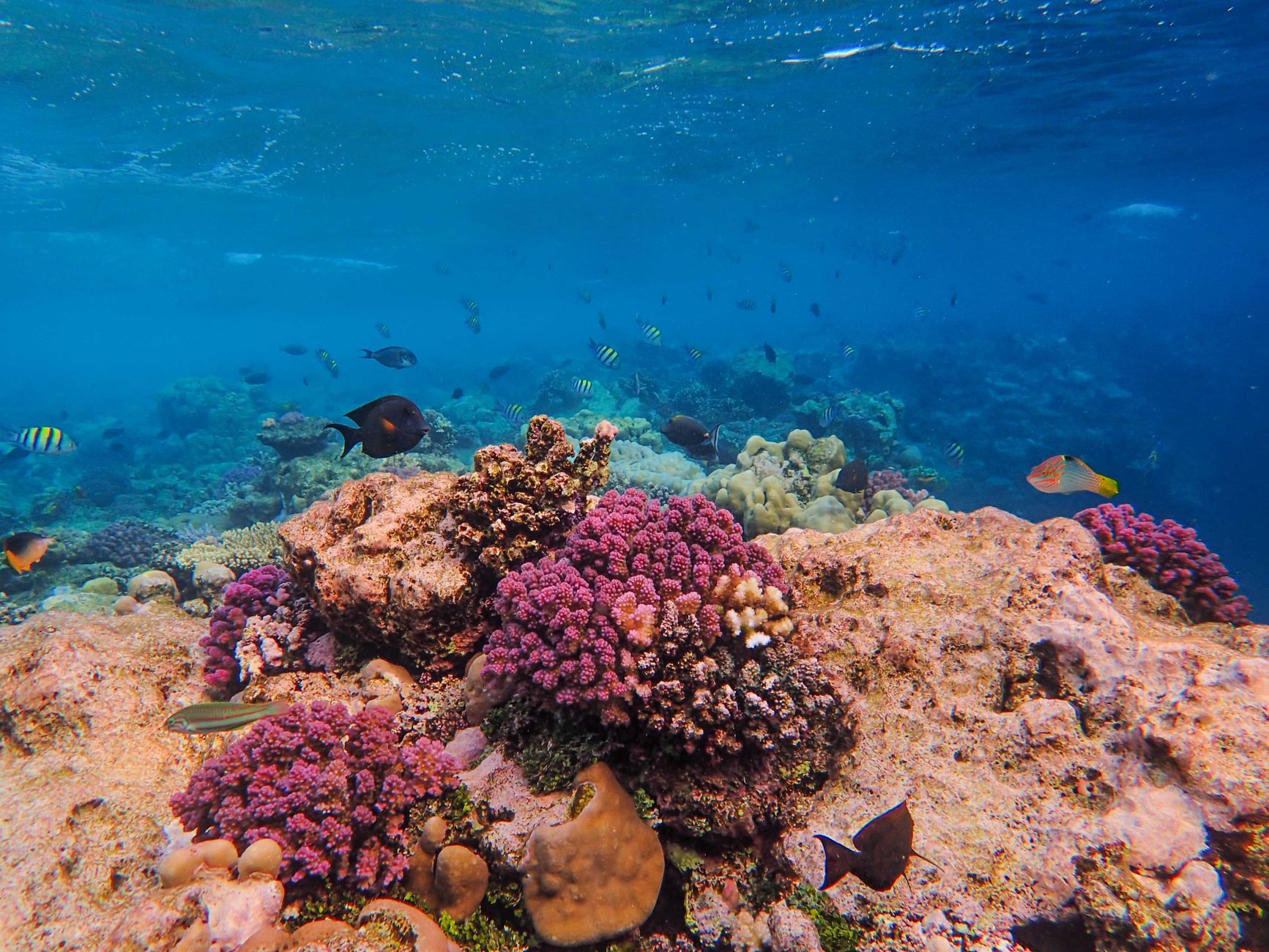
The climate pattern that rearranges fishing seasons across the Pacific is back. On June 11, NOAA issued an El Niño Advisory confirming the warm phase of the El Niño-Southern Oscillation had taken hold, and forecasters gave it a 63% chance of reaching "very strong" status between November 2026 and January 2027. Only three events have hit that mark since 1980. The last was a decade ago.
What it means on the water is movement — of bait, of predators, and of the seasons anglers have come to count on.
The mechanics are familiar to forecasters. During El Niño the trade winds that normally drive warm water westward go slack, and that warm pool drifts back toward the Americas, scrambling weather and ocean temperatures worldwide. "Each one is unique with its own imprint on our weather," said Ken Graham, director of NOAA's National Weather Service.
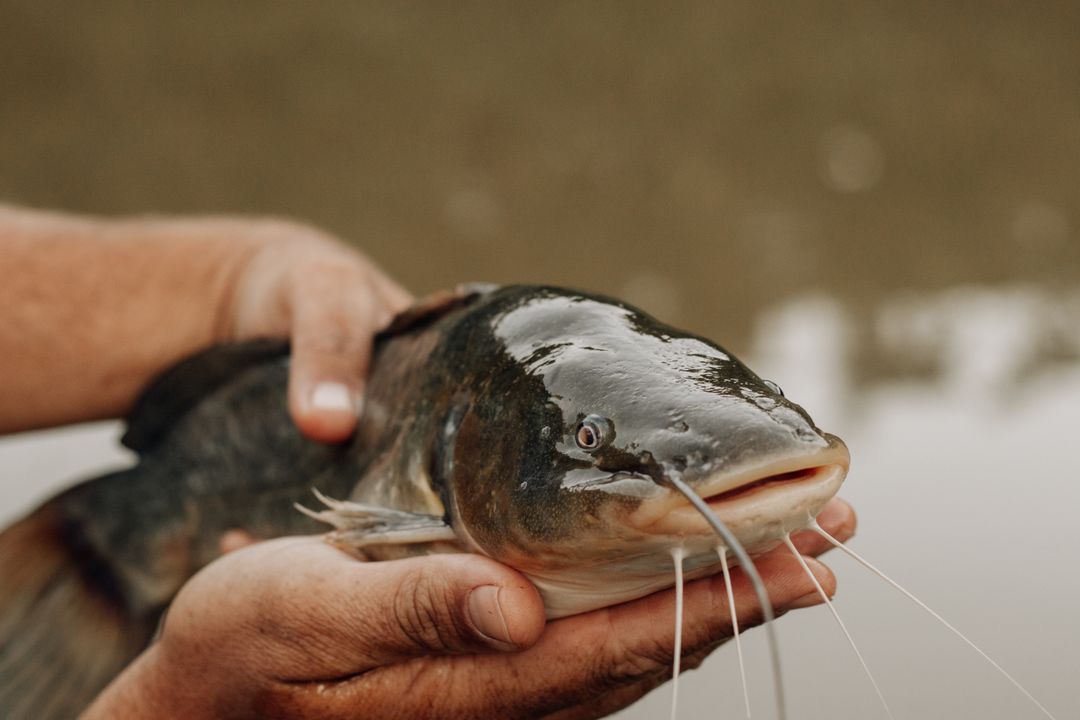
The biggest consequence for fishing starts at the bottom of the food chain. Past El Niños have suppressed plankton across the open Pacific, and that scarcity climbs the ladder. "It's important because that's the base of the food web," NOAA research oceanographer Andrew Leising said at the Aquarium of the Pacific. "Marine mammals and other migratory species end up being closer to shore, because they're going to where their food is."
For anglers, that crowding inshore can be a gift or a headache. Tuna pushed toward the coast can deliver unusual close-range action, but the warm water also breeds harmful algal blooms that close fisheries fast. Recalling the 2014 marine heat wave nicknamed the "Blob," Leising said, "We had several closures of crab and shellfish fisheries due to harmful algal blooms." Valuable market squid often vanish or shift north under those conditions.
History shows the stakes. Climate scientist Dillon Amaya, writing in The Conversation, traced how El Niño-driven marine heat waves can gut entire stocks — Pacific cod down 70% in the Gulf of Alaska, Bering Sea snow crab landings off 84% in 2018 after heat reached the seafloor. In warm water, he explained, some fish burn calories faster than they can feed, and they die.
There is an upside on the storm front. Strong El Niños tend to crank up Atlantic wind shear, which rips apart forming hurricanes. "Wind shear is good for us, bad for the hurricanes," said Colorado State University hurricane forecaster Phil Klotzbach, whose team's 2026 outlook leans below normal — potentially meaning more fishable weather along the Gulf and Atlantic this fall.
The catch is at the shoreline. NOAA oceanographer William Sweet cautioned that El Niño piles flooding onto already-elevated seas. "It usually ends up being a double whammy," he said. "The first punch is decades of sea level rise, which has waters close to the brim in many coastal communities. And now with this second punch — a strong El Niño — coastal communities face more frequent, deeper and widespread high tide flooding along both the West and East Coasts."
Marine wildlife tends to flag trouble before anyone else. "California sea lions are indicator species, meaning they will be one of the first species which may show signs of domoic acid toxicity, respond to changes in their ecosystem, and signal to the public how our oceans and ecosystem are doing," said Brett Long, vice president of animal care at the Aquarium of the Pacific.
For anglers, the smart play is preparation. Scientists can now forecast marine heat waves three to six months ahead, and accuracy improves in El Niño years. Track sea-surface temperatures, expect your target species to chase the bait — usually shoreward — and check for closures before you load the boat.