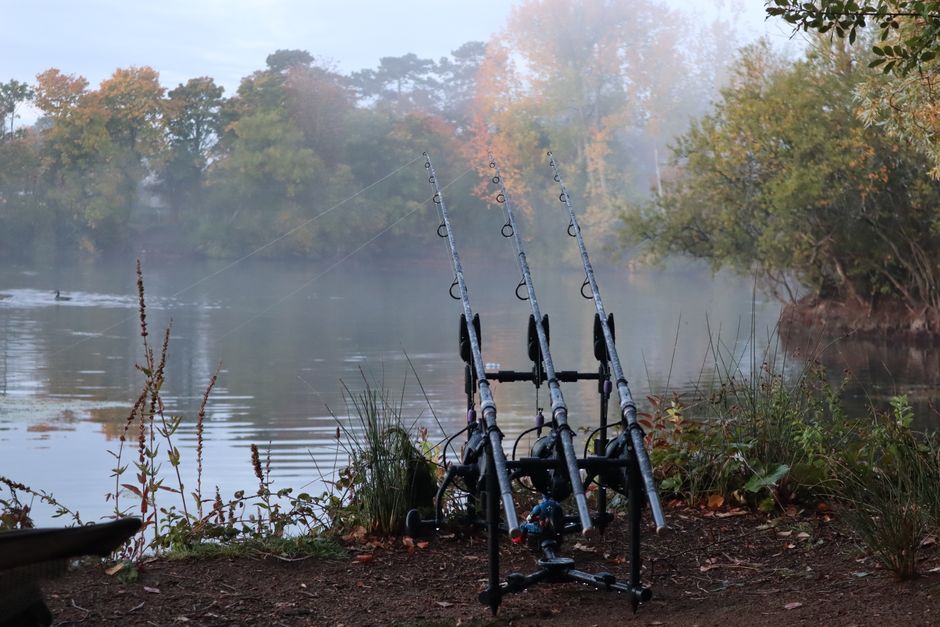
Oregon voters may soon decide whether fishing should be a crime, and the proposal has united Democrats and Republicans in opposition.
Initiative Petition 28, the work of a group of Portland-based animal rights activists, aims to rewrite the state's animal cruelty laws so that injuring, breeding or killing an animal becomes a criminal offence, with narrow carve-outs only for self-defense and veterinary care such as spaying, neutering or euthanasia. To get there, it would delete the exemptions that today shield lawful fishing, hunting, wildlife management, agricultural and scientific research, pest control and livestock slaughter.
The campaign has already pushed past the threshold for the November 2026 ballot, handing in more than 126,000 signatures where 117,000 were needed. State officials must now verify those signatures through statistical sampling, and organisers have until July 2 to top up the count if some are thrown out.
Backers cast it as an ethical principle rather than a penalty. "The reason we are seeking to prohibit these activities is not to be punitive towards anyone currently involved with the injuring, killing, or breeding of animals, but rather to be protective of the needs of the animals and to codify their right to life and bodily autonomy in law," the campaign website reads. A transition fund would help retrain anyone whose job disappears as a result.
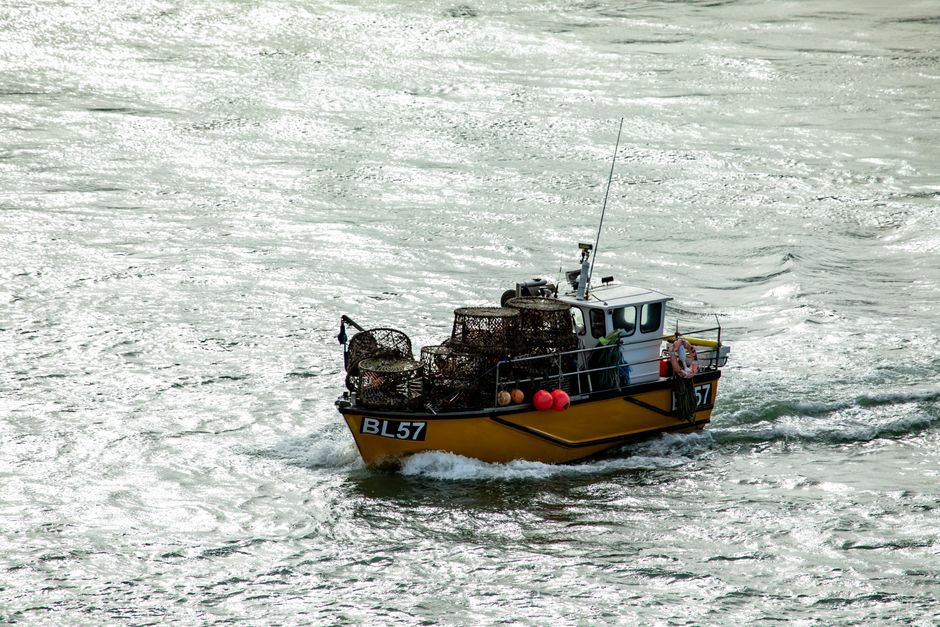
The implications for anglers are immediate. Fishing and hunting licenses would vanish, and with them the largest single funding stream for stocking and managing the state's fisheries. Commercial fishing alone delivered roughly $517 million in household income and 10,300 jobs in Oregon in 2025, while the beef industry exported $127 million in 2023.
A wide coalition has formed against the petition, including the Oregon Farm Bureau, the Oregon Hunters' Association, the Sportsmen's Alliance and the Oregon Cattlemen's Association. The Farm Bureau argued the measure "would effectively turn Oregon into a 'no kill or harm' sanctuary state, eliminating in-state meat, dairy, and animal protein production [...] Oregonians would be forced either into a vegan lifestyle or to rely on food shipped in from other states or countries."
The cross-party nature of the resistance stands out. Republican state senator and gubernatorial candidate Christine Drazan was blunt: "Banning hunting, fishing, and basic animal husbandry would kill thousands of jobs and threaten our food supply at a time when we can least afford it."
Governor Tina Kotek, a Democrat, was just as firm. "I know tribal leaders, family farmers and ranchers and Oregonians across the state who care deeply about protecting our land, waters and wildlife," she said in a campaign video. "This petition does nothing to help that, and it risks criminalizing common agricultural practices that are critical to Oregon's economy."
Signature verification comes first, and some of those 126,000 names will not survive it. But the measure has already gone further than most observers expected. The contrast with the rest of the country is sharp: as Oregon contemplates outlawing the practice, campaigners in Colorado are working to write the right to hunt and fish into their state constitution. Oregon anglers, meanwhile, may spend the autumn campaigning for the right to keep fishing at all.