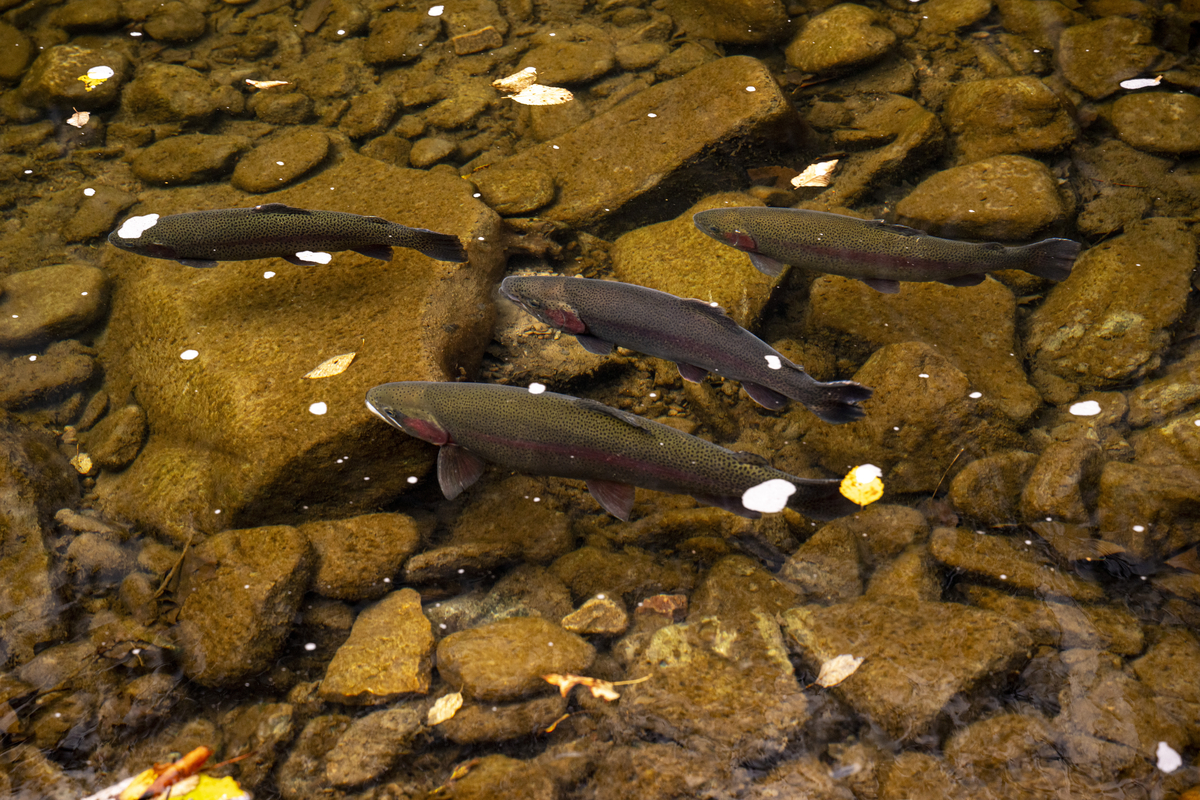
West Virginia's early-season trout fishing opportunities have reached full swing following the January 5, 2026 season opener, when state officials began releasing thousands of pounds of rainbow, golden rainbow, and brook trout into waterways statewide.
The West Virginia Division of Natural Resources frequently stocks over 200 lakes and streams during the first months of the year, creating exceptional opportunities for anglers willing to brave colder conditions. These early stockings provide distinct advantages, as fish remain less educated and more likely to take bait compared to heavily pressured waters later in the season.
Anglers seeking these cold-water species must obtain a valid 2026 West Virginia fishing license and trout stamp through the WVDNR Electronic License System. Most stocked waters follow general regulations permitting a daily limit of six trout, though Delayed Harvest areas maintain strict catch-and-release rules from November 1 through May 16.
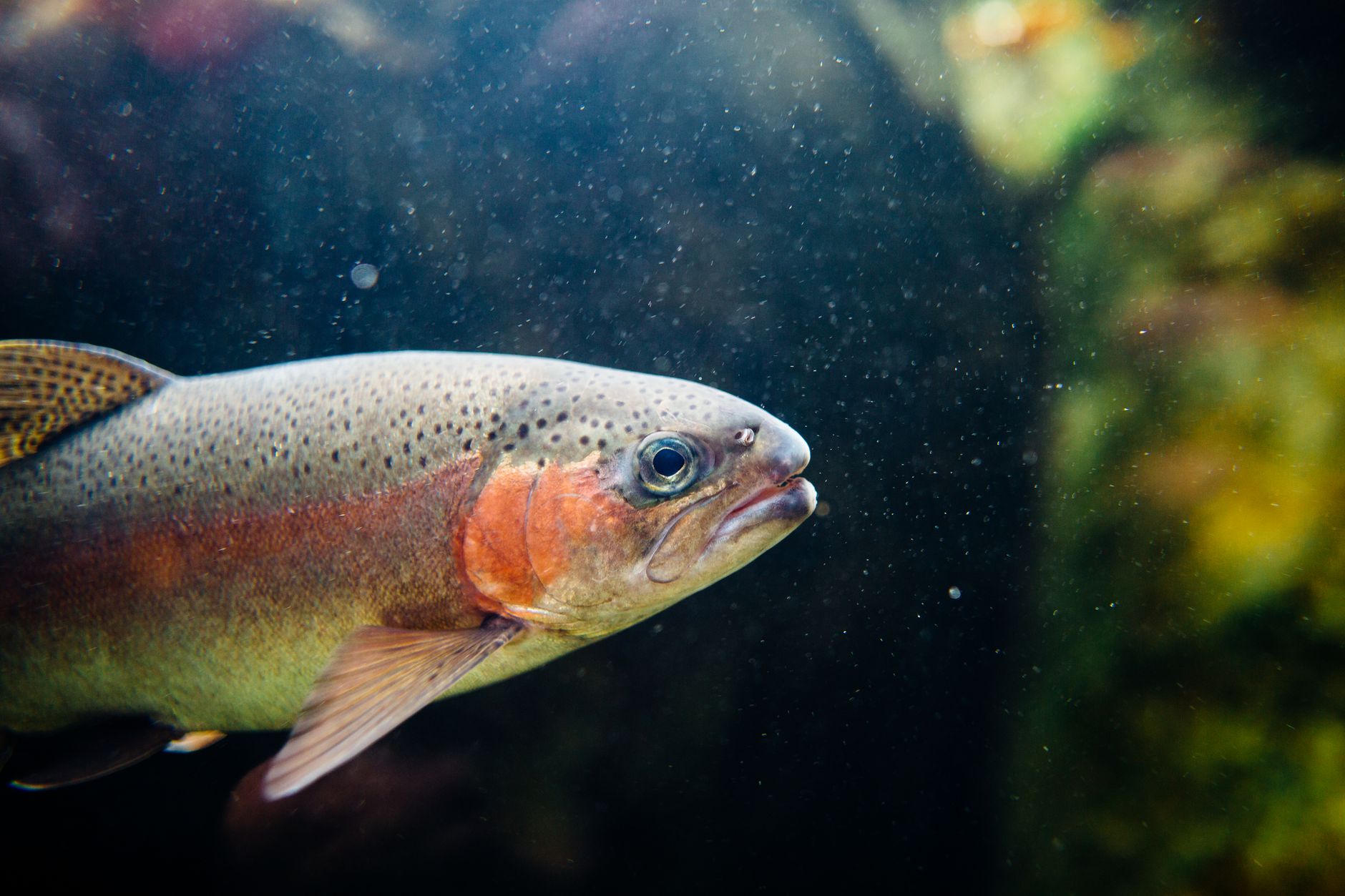

**Monongahela National Forest Delivers Premier Action**
Current Season
Current Season
Current Season
The Monongahela National Forest kicked off its 2026 trout season with scheduled stockings beginning January 5. High-country destinations including the Cranberry, Williams, and Blackwater Rivers, alongside Gandy Creek and Glady Fork, have received initial stockings of rainbow, brown, and brook trout.

Career Journey
Career Journey
This early period proves ideal for targeting native brook trout in smaller mountain tributaries before they migrate to higher elevations as temperatures warm.
**Cranberry River's Backcountry Treasures**
The Cranberry River's most productive winter fishing occurs in backcountry sections, particularly the Fly Fishing Only area on Dogway Fork and accessible stretches along Forest Road 76. The entire 14.39-mile main section offers excellent trout fishing, with backcountry areas providing less crowded conditions and abundant native brook, rainbow, and brown trout.
WVDNR stockings began in mid-January, making the more accessible Forest Road 76 sections attractive options for anglers seeking easier access to recently stocked areas. Fly fishing with nymphs or streamers proves effective in cold conditions, while spin fishermen find success dead-drifting nightcrawlers or using spinners like Joe's Flies.
**Williams River: A Trout Angler's Paradise**
The Williams River stands as one of West Virginia's most prolific trout destinations during winter months. This pristine mountain stream receives approximately 27,000 pounds of trout annually, with 2026's first stockings reaching the river by January 12.
Anglers can target rainbow, brown, brook, and the newly official tiger trout species. Cold-weather success comes from weighted subsurface patterns such as bead-head nymphs or versatile streamers like the Woolly Bugger to reach fish holding in deeper pools. Spin fishermen often succeed with inline spinners combining lure action with fly aesthetics.
The delayed harvest section in Pocahontas County operates under strict catch-and-release regulations from November 1 through May 15. The Three Forks area and sections extending from Tea Creek downstream offer particularly productive winter fishing, where deep pools and instream cover provide trout refuge during colder temperatures.
**Blackwater River's Serene Winter Experience**
Anglers braving cold conditions should use light lines and downsize bait as fish become more sluggish in freezing temperatures. High-access areas through Blackwater Falls State Park and the Canaan Valley National Wildlife Refuge provide ample public fishing opportunities.
Looking Ahead
**Looking Ahead**
Early-season conditions offer anglers quieter, more immersive experiences compared to peak season crowds. The introduction of tiger trout as an official game species continues this season, providing additional challenges for winter fishing enthusiasts. As temperatures begin rising, expect native brook trout to migrate toward higher elevations and fishing pressure to increase on easily accessible waters.