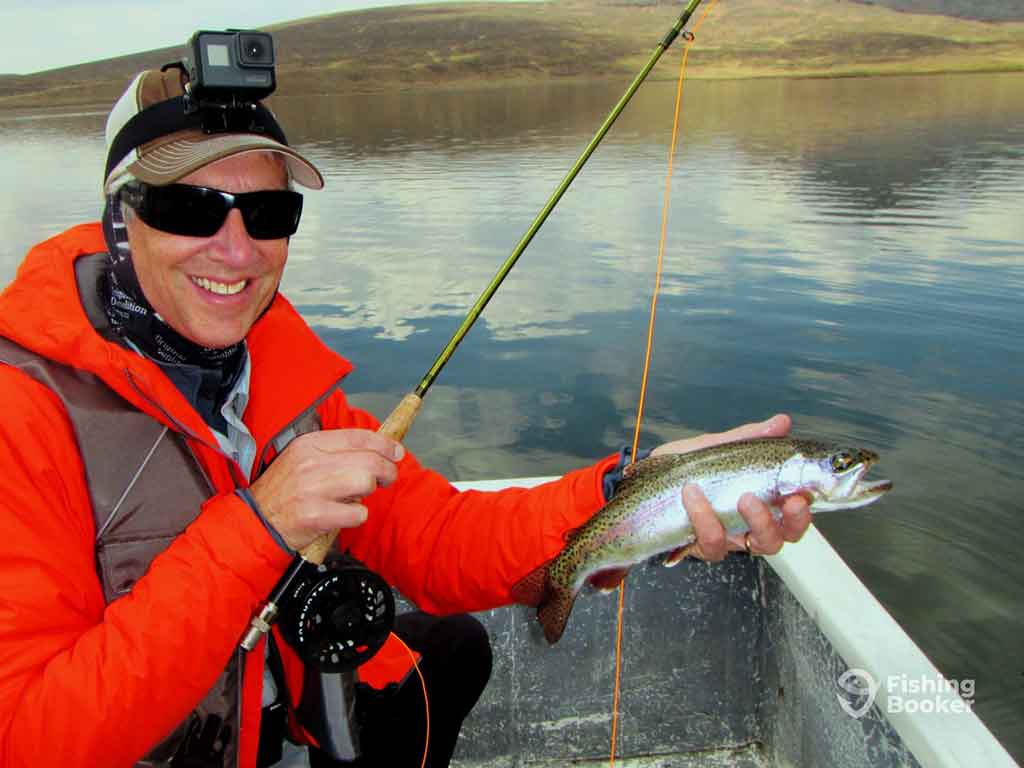
As spring arrives and fishing enthusiasts prepare for another season on the water, trout fishing continues to captivate anglers worldwide with its unique blend of challenge and reward. The pursuit of these elusive fish, celebrated for their delicate nature and diverse habitats, requires more than just patience and skill—it demands the right equipment, particularly when it comes to selecting the proper fishing line.
Trout thrive in cold, oxygenated waters but can surprisingly adapt to warmer, spring-fed environments, making them accessible to anglers across various geographic regions. However, this adaptability also means that successful trout fishing requires a nuanced understanding of equipment selection, with fishing line choice playing a pivotal role in determining success on the water.
"Your selection should be driven by the environment, your chosen fishing technique, and the top size of the Trout you may encounter," emphasized an experienced angler, highlighting the multifaceted nature of line selection.
"Your selection should be driven by the environment, your chosen fishing technique, and the top size of the Trout you may encounter,"

The decision-making process involves several critical factors: fishing style, environmental conditions, and the potential size of target trout. While general-purpose lines offer versatility for casual anglers, specific circumstances often call for more specialized options tailored to particular fishing conditions and techniques.
Personal preference plays a significant role in line selection, and experienced anglers recommend experimenting with different materials to find the optimal combination for individual gear and fishing styles. Each line material presents distinct advantages and drawbacks, making the selection process both an art and a science.
**Fly Fishing Lines: Precision and Complexity**
Among the various line categories, fly fishing lines represent perhaps the most intricate options available to trout anglers. Floating lines emerge as the preferred choice for most trout fishing scenarios, offering versatility in presentation techniques.
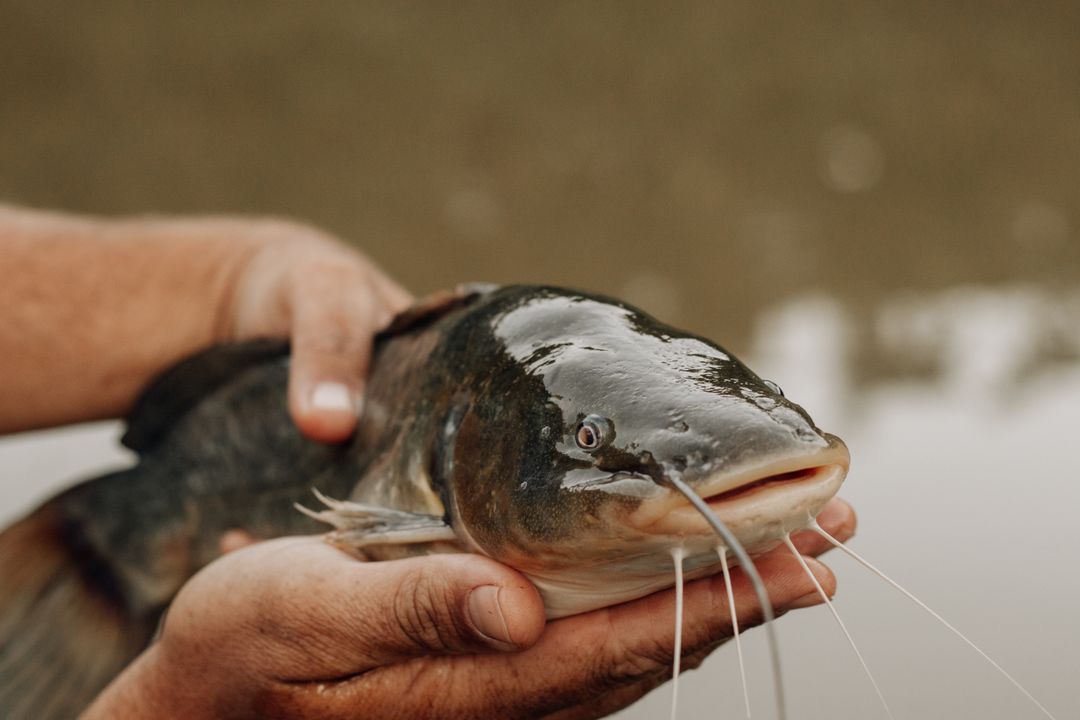
"Floating lines are the primary choice for Trout fly fishing in rivers and lakes. They make it possible to fish dry flies, nymphs, and streamers," explained one expert, noting their effectiveness across multiple fishing approaches.
For anglers seeking to target trout at varying depths, sinking fly lines provide crucial depth control through different sink rates. The selection between slow and fast-sinking options depends entirely on fishing conditions and target zones.
Impact and Legacy
"Slow sinking is great for lake fishing around weed beds, while fast sink rates get your flies down deep in a hurry," explained a fly-fishing guide, illustrating how sink rate selection directly impacts fishing strategy and effectiveness.
"Slow sinking is great for lake fishing around weed beds, while fast sink rates get your flies down deep in a hurry,"
**Spinning Lines: Versatility Meets Performance**
Spinning line selection typically centers on balancing personal preference with effectiveness across various fishing conditions. Three primary materials dominate the spinning line market, each offering distinct performance characteristics.
Braided lines have gained popularity among trout anglers for their exceptional sensitivity, superior strength, and enhanced casting distance. While traditionally associated with warm-water fishing, braided lines prove equally effective for trout fishing in appropriate conditions.
"A braided line is great in all conditions except when it's freezing, as they can ice," noted one angler, highlighting both the versatility and seasonal limitations of braided options.
"A braided line is great in all conditions except when it's freezing, as they can ice,"
Fluorocarbon lines represent the gold standard for many trout fishing applications, particularly when dealing with selective or pressured fish. The material's low visibility underwater becomes critical when targeting wary trout in clear water conditions.
"Fluoro is strong, abrasion-resistant, and generally durable. I use it on [spinning reels](/gear/spinning-reel) and for leader material while fly fishing," noted one seasoned angler, emphasizing fluorocarbon's dual-purpose utility across different fishing methods.
Monofilament lines, known for their softer texture and forgiving nature, excel in specific trout fishing applications. The material's characteristics make it particularly well-suited for delicate presentations and specialized techniques.
"Mono is softer than fluoro and it's really nice for dry fly fishing, ice fishing, and jigging," added an enthusiastic angler, highlighting monofilament's niche applications in the trout fishing world.
"Mono is softer than fluoro and it's really nice for dry fly fishing, ice fishing, and jigging,"
**Environmental Considerations and Seasonal Adaptations**
Impact and Legacy
Successful trout fishing extends beyond simple line selection to encompass broader environmental awareness. Water clarity and seasonal conditions significantly influence trout behavior and feeding patterns, making appropriate line choice even more critical for consistent success.
Impact and Legacy
These environmental factors directly impact trout willingness to bite and their ability to detect fishing lines, requiring anglers to adapt their approach based on current conditions. Clear water typically demands more invisible line options, while stained or turbulent water may allow for stronger, more visible alternatives.
**The Path Forward for Trout Anglers**
As trout fishing maintains its position as a cherished pastime for millions of anglers, understanding line selection nuances becomes increasingly vital for on-water success. The sport's technical aspects, combined with the need for environmental adaptation, create ongoing learning opportunities for anglers at all skill levels.
Continuous experimentation with different materials and techniques remains essential for angler development and success. Each fishing trip presents unique challenges and learning opportunities, encouraging anglers to refine their approach and expand their technical knowledge.
"Playing with different line types and finding the best feel and performance for your equipment is a good move for any angler," wisely noted one expert, encapsulating the experimental spirit that drives successful trout fishing.
"Playing with different line types and finding the best feel and performance for your equipment is a good move for any angler,"
The journey toward trout fishing mastery involves embracing both technical knowledge and practical experience, with proper line selection serving as a fundamental building block for consistent success on the water.