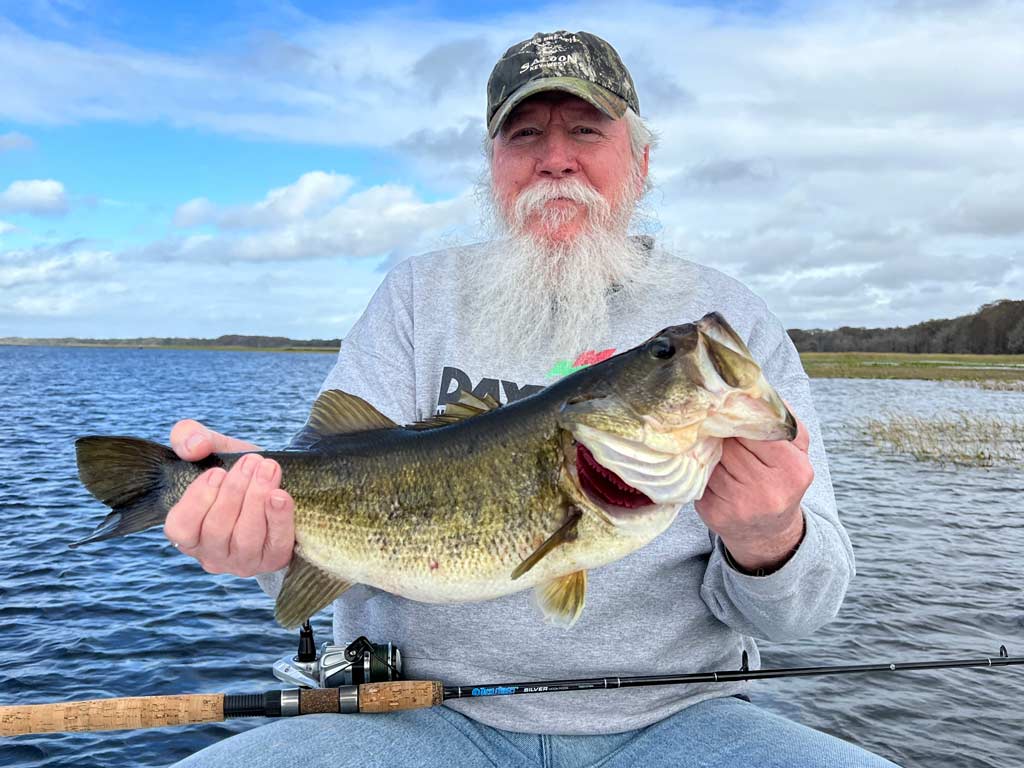
As fishing season approaches across North America, anglers are preparing for what many consider the ultimate freshwater challenge: bass fishing. With their unpredictable behavior and varied feeding patterns, bass species continue to captivate fishermen from coast to coast, demanding both skill and strategy to land successfully.
"If you want to catch more – and bigger – Bass, you need to think about your rigging and bait strategies," said expert angler Zach Lazzari. The key to success lies in understanding each species' unique characteristics and adapting techniques accordingly.
"If you want to catch more – and bigger – Bass, you need to think about your rigging and bait strategies,"
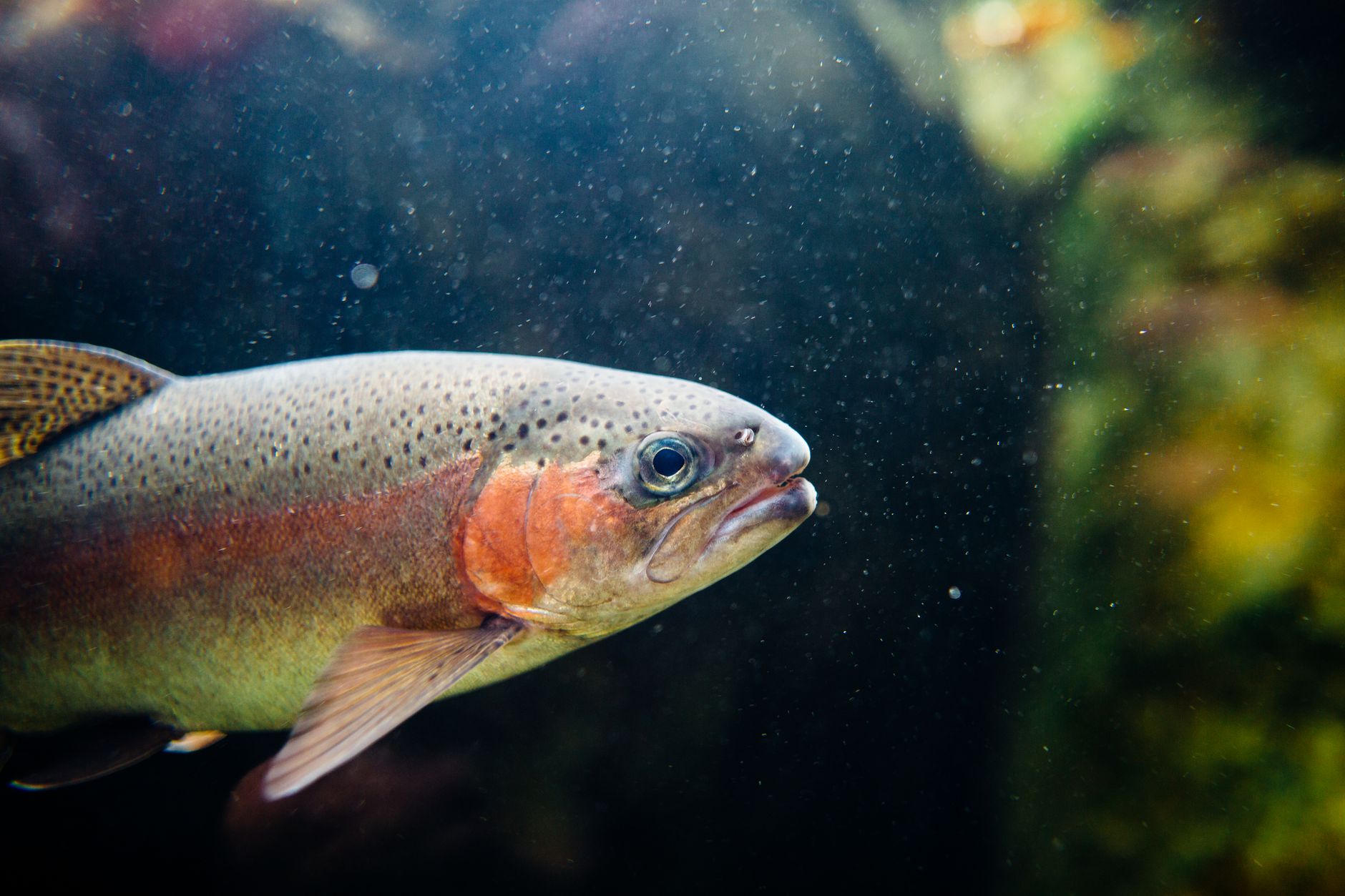
Bass demonstrate remarkable adaptability, thriving in both freshwater and saltwater environments across diverse habitats. This versatility means their food sources vary significantly depending on location and season, making proper bait selection crucial for any successful outing.

**Largemouth Bass: The Crown Jewel**
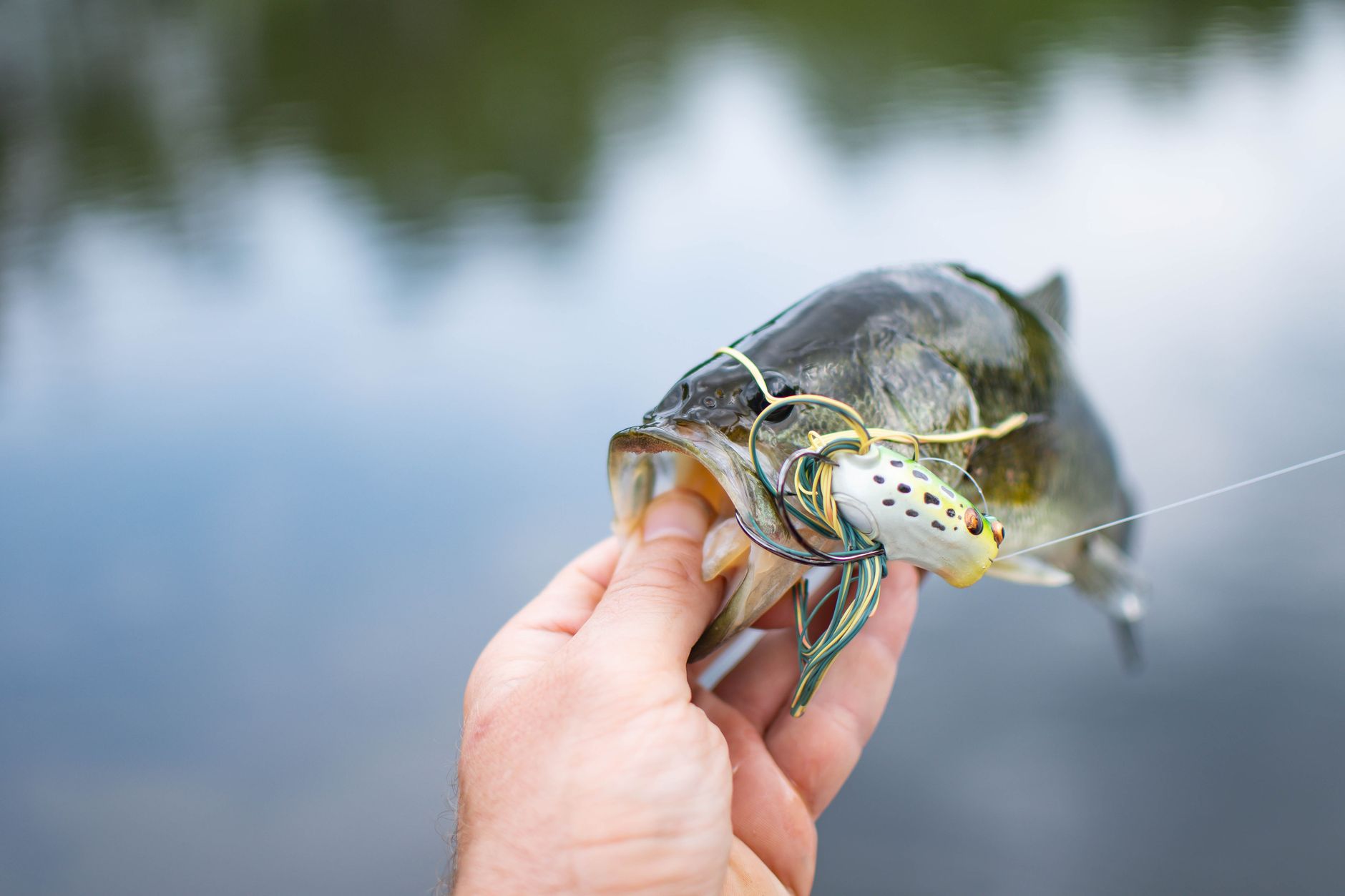
The Largemouth Bass stands as the most recognized species among North American anglers, and for good reason. "They're a popular tournament species and are prolific across the country," noted fishing guide Jason Whitehead. These prized fish inhabit an impressive range, from Ontario and the Great Lakes region down through northern and central Mexico, with thriving populations throughout the midwest, southern United States, and extending west to California and the desert Southwest.
"They're a popular tournament species and are prolific across the country,"
What makes Largemouth Bass particularly appealing to anglers is their remarkable adaptability. They respond well to various bait presentations, whether anglers prefer casting jigs or using live bait. Successful fishing strategies focus on areas with substantial cover, such as submerged logs, weed beds, and other structures where these ambush predators typically wait for unsuspecting prey.
The species' widespread distribution means anglers can find quality fishing opportunities in lakes, reservoirs, and slow-moving backwaters across much of the continent, making them accessible to both casual weekend fishermen and serious tournament competitors.
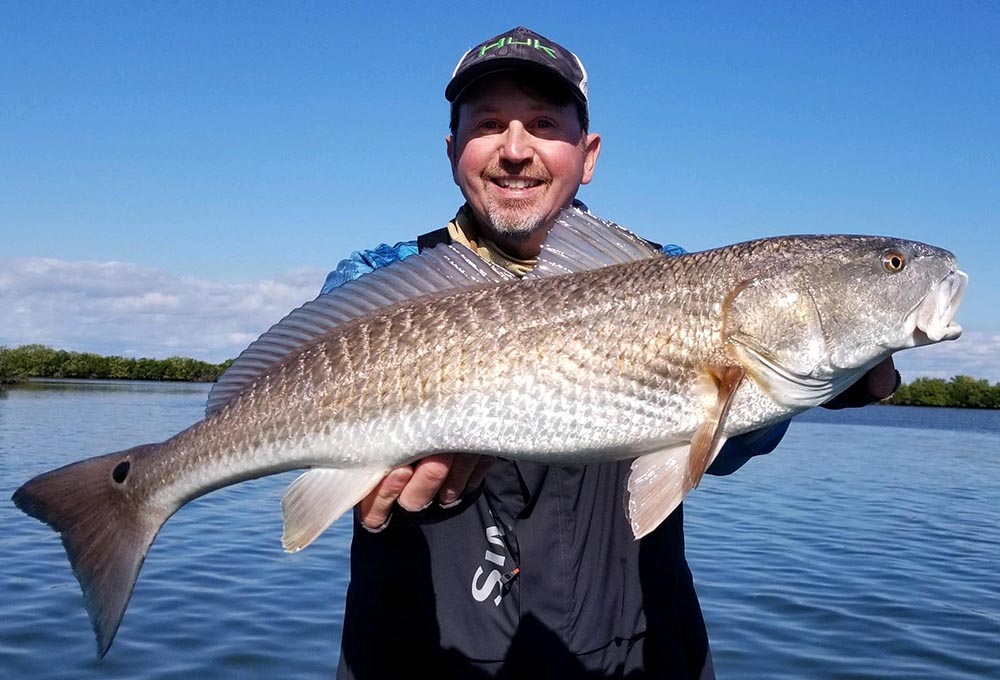
**Smallmouth Bass: The Fighter**
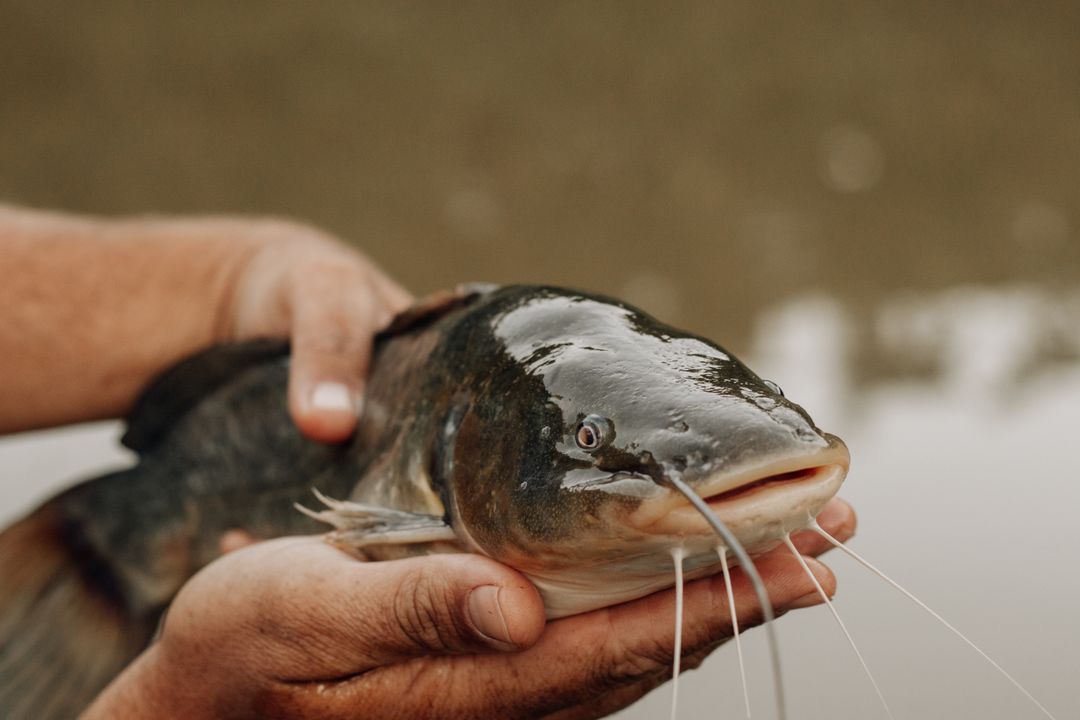
For those seeking an adrenaline-pumping fishing experience, Smallmouth Bass deliver unmatched excitement. "These are revered for their speed, power, and hard-fighting nature," explained a local guide from Buffalo Bassman Charters. Commonly nicknamed "Bronzebacks" due to their distinctive bronze coloration, these fish prefer the clear, cool waters of rivers and lakes, particularly around the Great Lakes region and western states.
"These are revered for their speed, power, and hard-fighting nature,"
Impact and Legacy
Smallmouth Bass exhibit more specific habitat preferences than their largemouth cousins, typically favoring rocky areas and clearer water conditions. Their diet consists primarily of crayfish, minnows, and various aquatic insects, which influences effective bait selection. Soft plastic baits and topwater lures prove especially productive when targeting Smallmouths, particularly during warmer months when they become more aggressive feeders.
**Striped Bass: The Versatile Predator**
Striped Bass represent a unique category, as these fish successfully inhabit both fresh and saltwater environments. Originally native to Atlantic coastal waters, they're now popular targets in renowned fishing destinations like the Chesapeake Bay and Cape Cod. "These fish live along rocky shorelines where they can ambush prey," noted an experienced captain from Rock On Fishing.
"These fish live along rocky shorelines where they can ambush prey,"
Stripers attract anglers for multiple reasons beyond the thrill of the catch – they're also prized for their excellent eating qualities. When targeting these powerful predators, anglers typically employ larger baits such as herring and mackerel, especially when fishing around bait balls where stripers feed aggressively.
Interestingly, landlocked populations in freshwater reservoirs like Lake Mead and Lake Powell offer outstanding striper fishing experiences, particularly for those pursuing trophy-sized specimens. These impoundments have created unique fishing opportunities in unexpected locations across the American West.
**White Bass: The School Fish**
White Bass appeal to both novice and experienced anglers due to their excellent table fare and spirited fighting ability. "Anglers love White Bass for their delicious meat and the great fight they put up," said a guide from Fish On Fishing. These fish exhibit strong schooling behavior, especially during warmer months, which can lead to fast-paced action when schools are located.
"Anglers love White Bass for their delicious meat and the great fight they put up,"
Successful White Bass techniques involve both artificial lures and live bait, with timing often being crucial as schools move through different areas following food sources.
**Strategic Bait Selection**
The difference between a frustrating day on the water and consistent success often comes down to proper bait selection. Both artificial and natural baits have their place in any bass angler's arsenal, but the key lies in matching bait choice to specific species, habitat conditions, and seasonal patterns.
Impact and Legacy
Bass feeding behaviors change dramatically throughout the year, influenced by water temperature, spawning cycles, and prey availability. Understanding these patterns allows anglers to adapt their approach accordingly. Bass instinctively respond to movement and scents in the water, making lures that accurately mimic natural prey particularly effective.
As the new fishing season approaches, successful anglers will prepare by researching local conditions, understanding seasonal patterns, and selecting appropriate tackle for their target species. With proper preparation and technique, this season promises excellent opportunities for bass fishing enthusiasts across North America.