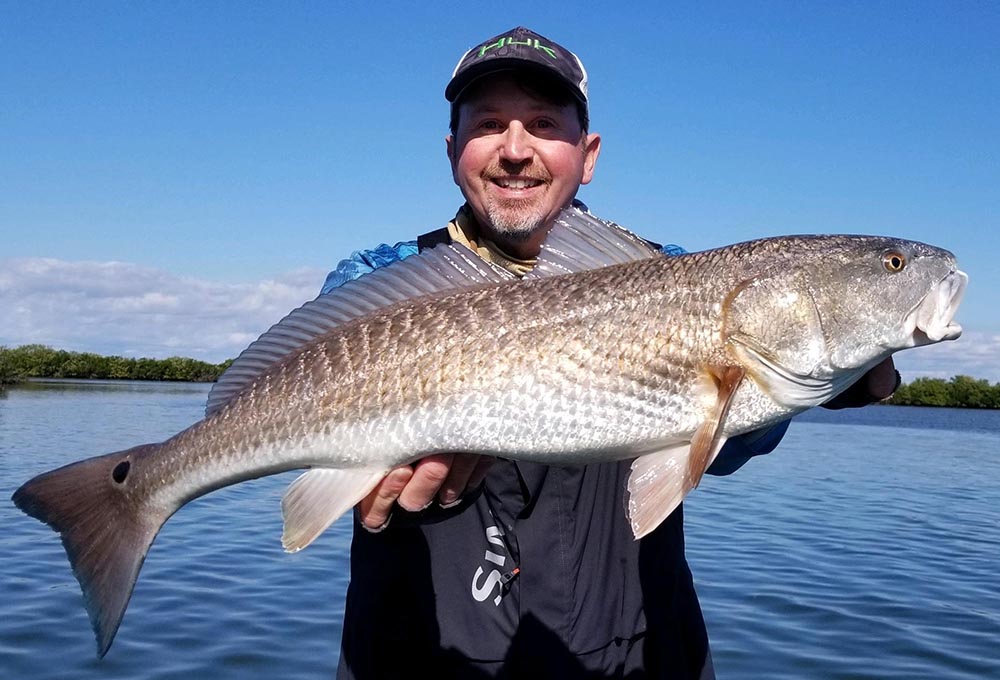
Spring represents one of the most promising seasons for carp anglers, offering unique opportunities to target fish that have just emerged from their winter slumber. The timing coincides with carp being at their heaviest weights in preparation for spawning, making it an ideal period for memorable catches.
The seasonal advantage stems from fish behavior patterns during this transitional period. Carp tend to be less wary after months of reduced angling pressure, particularly in early spring when many waters see fewer visitors. This reduced wariness, combined with their natural feeding instincts as they prepare for spawning, creates optimal conditions for successful sessions.
Preparation proves crucial for spring campaigns, regardless of winter fishing activity. Equipment maintenance should be a priority, starting with reel maintenance and line replacement. Fresh monofilament becomes essential after winter storage, while anglers planning venue changes might consider switching to braided lines or fluorocarbon depending on specific fishing conditions.
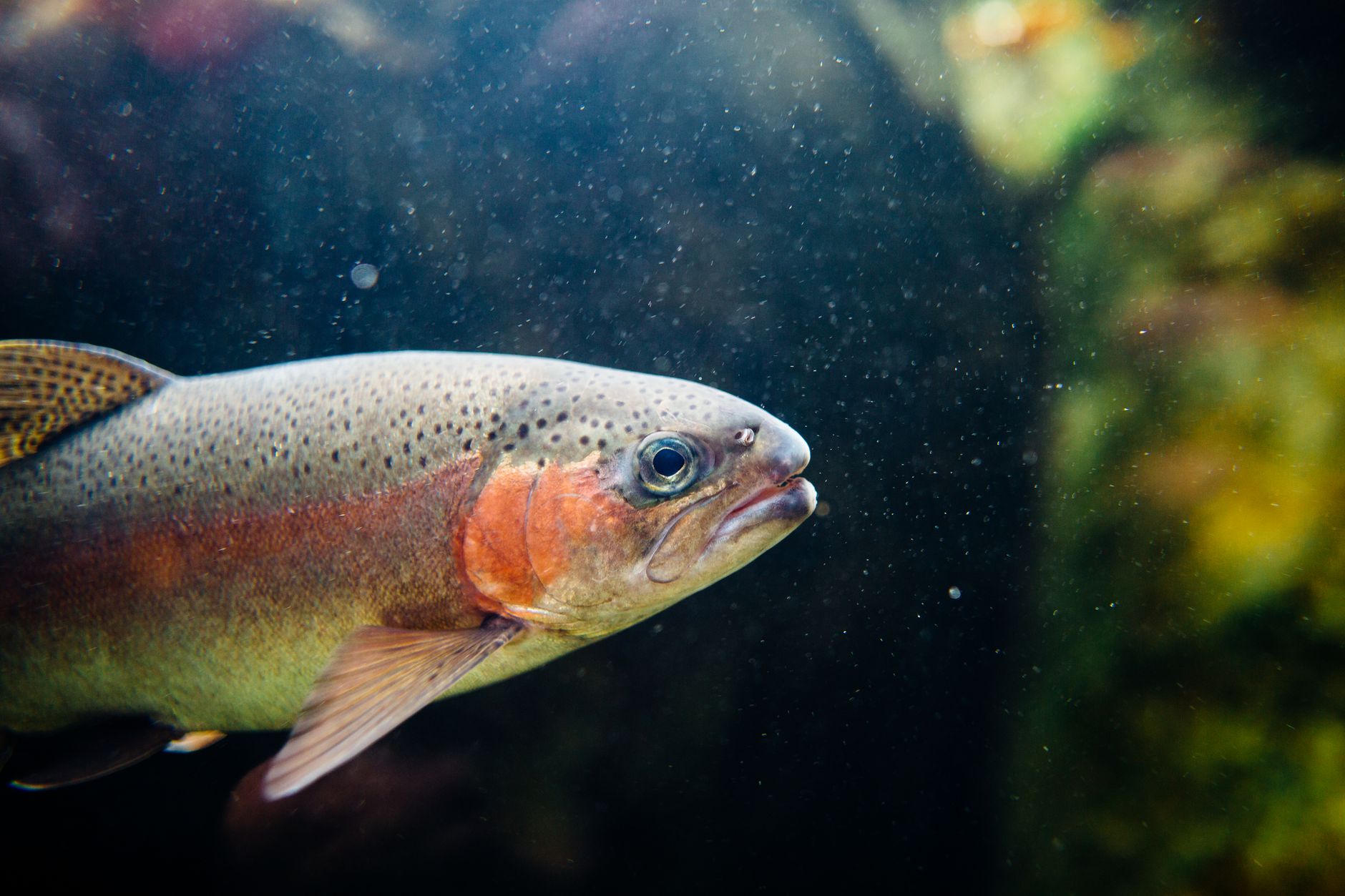

Terminal tackle inventory requires attention as supplies often run low during winter months. Hooks, hook link materials, and swivels need restocking to ensure readiness for the season ahead. Bait preparation becomes equally important, with freezer restocking of boilies and preparation of particle baits taking priority.
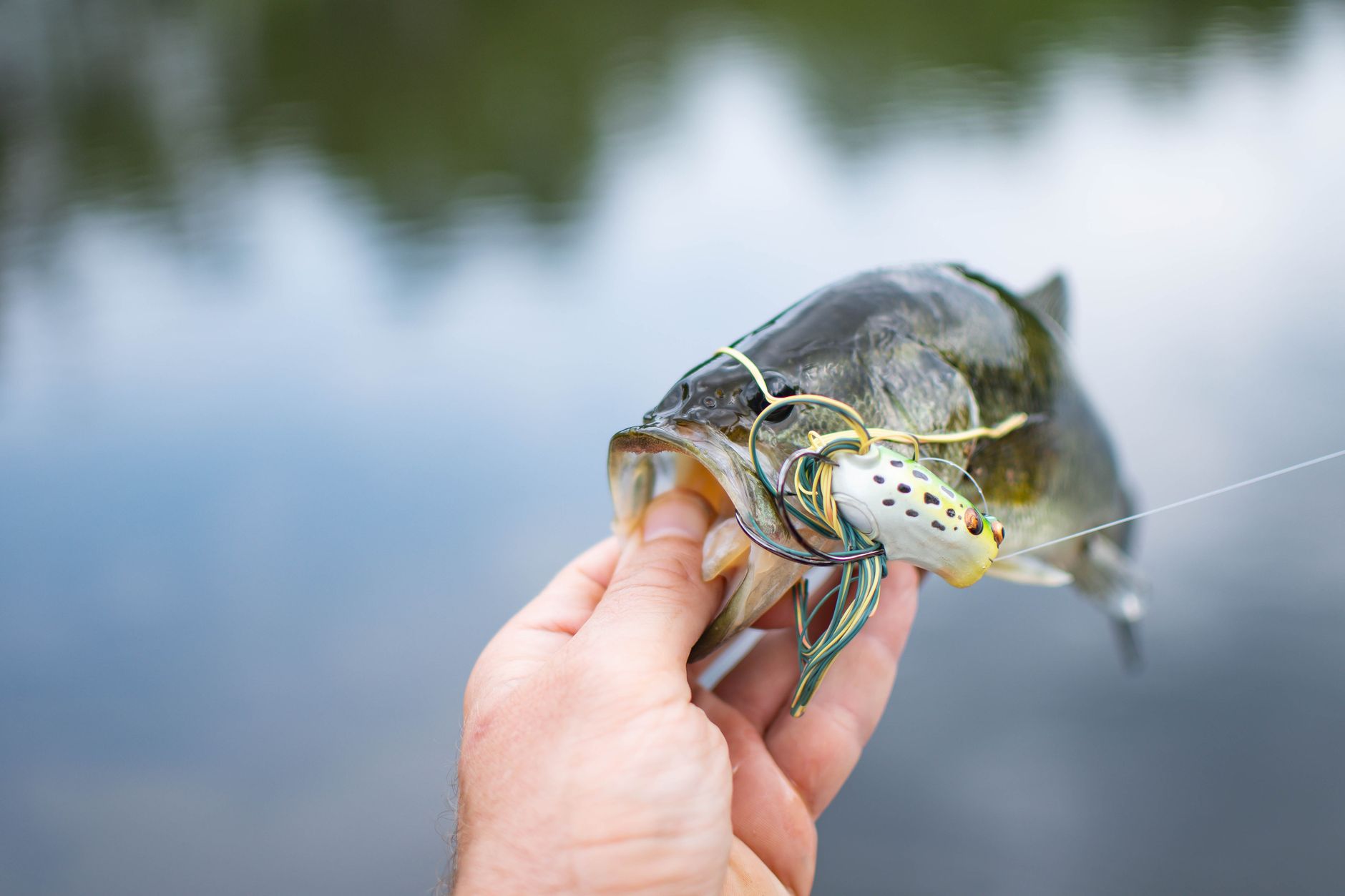
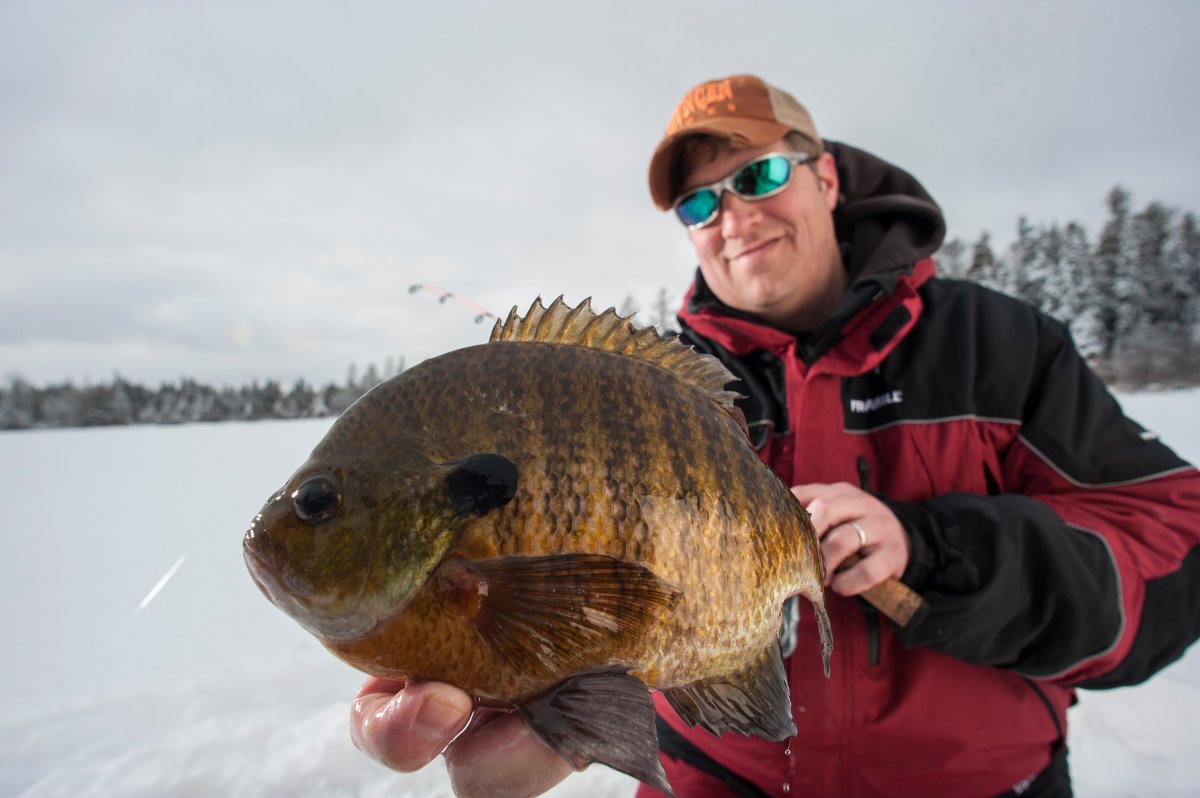
Location strategy becomes paramount during spring months when fish movements prove less predictable than other seasons. Carp respond primarily to weather conditions and gradually warming water temperatures rather than settling into established feeding areas.
Career Journey
Career Journey
Career Journey
Natural food sources remain limited during early spring, with minimal fresh weed growth available. Large gravel areas often lack natural attraction features, making food-rich areas like old weed beds and silty regions more productive choices for bait placement.
Shallow water areas with cover, particularly reedbeds, deserve special attention on sunny days. These zones warm faster than deeper water, especially when positioned to receive direct sunlight and wind protection. The temperature differential creates attractive conditions for carp seeking comfortable environments.
By the Numbers
By the Numbers
Timing becomes critical in these shallow areas, as they may appear empty during morning hours only to attract significant numbers of fish as afternoon temperatures rise. This pattern creates opportunities for anglers who remain observant and adaptable throughout the day.
Weather awareness enhances spring fishing success significantly. Warming trends often trigger increased fish activity, while cold snaps can shut down feeding temporarily. Successful spring anglers monitor weather patterns closely and adjust their approach accordingly.
Bait presentation strategies should account for spring feeding patterns. Fish may be more receptive to offerings after winter fasting, but their metabolism remains slower than summer levels. Smaller, easily digestible baits often prove more effective than heavy feeding approaches.
Career Journey
The spring period establishes the foundation for year-round success. Early season victories build confidence and knowledge about specific waters that proves valuable throughout the remaining months. Understanding fish behavior patterns during this crucial transition period enhances overall angling effectiveness.
Preparation, location awareness, and tactical flexibility combine to create spring fishing success. Anglers who invest time in proper equipment maintenance, bait preparation, and location scouting position themselves for rewarding sessions as waters come alive after winter dormancy.