
How many fish do recreational anglers really catch? Far more than anyone has been counting, according to a new study that puts the annual freshwater haul in the lower 48 US states at between two billion and six billion fish.
Most of those fish are released. But once researchers factored in what anglers keep, they landed on an estimate of 230,000 to 670,000 metric tons of fish taken home each year. That dwarfs the totals the United States has long reported to the United Nations' Food and Agriculture Organization — by between 17 and 48 times, the study finds. Earlier figures hovered around 13,388 metric tons; the new floor is at least 236,000 metric tons.
The work was led by Matthew Robertson of Memorial University of Newfoundland, alongside colleagues from the U.S. Geological Survey, the University of Missouri and Louisiana State University. Rather than rely on a thin national sample, they stitched together more than 15,000 surveys across 40 states to reach their numbers.
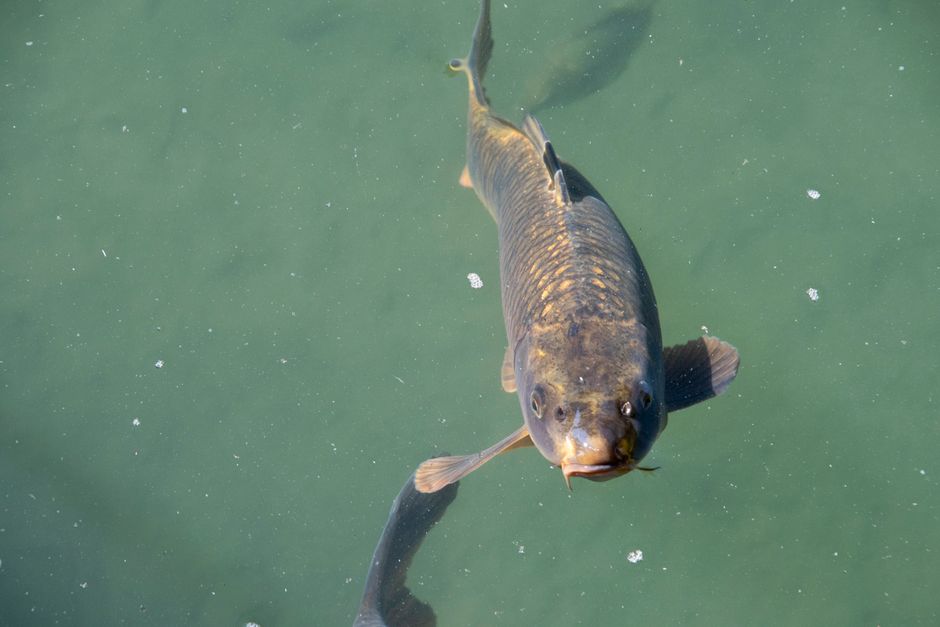
Why does the undercount matter? For a start, it reframes recreational fishing as a real food source, not just a leisure pursuit. When rules tighten or waters close, the authors note, the consequences reach the food security of millions of households that lean on the fish they catch — a group largely invisible in the old data.
The ecological stakes are just as significant. If the harvest is many times larger than assumed, so is its footprint on lakes and rivers. The team cautions that unrecognised fishing pressure can reshape food webs; strip out enough predatory fish and the knock-on effects can include problems like algal blooms as predator-prey relationships tip out of balance.
None of this paints anglers as the problem. The point is that a vast, popular activity has been slipping through the cracks of the statistics that guide management. Measuring it honestly, the researchers argue, is the only way to look after both the fisheries and the people who depend on them.