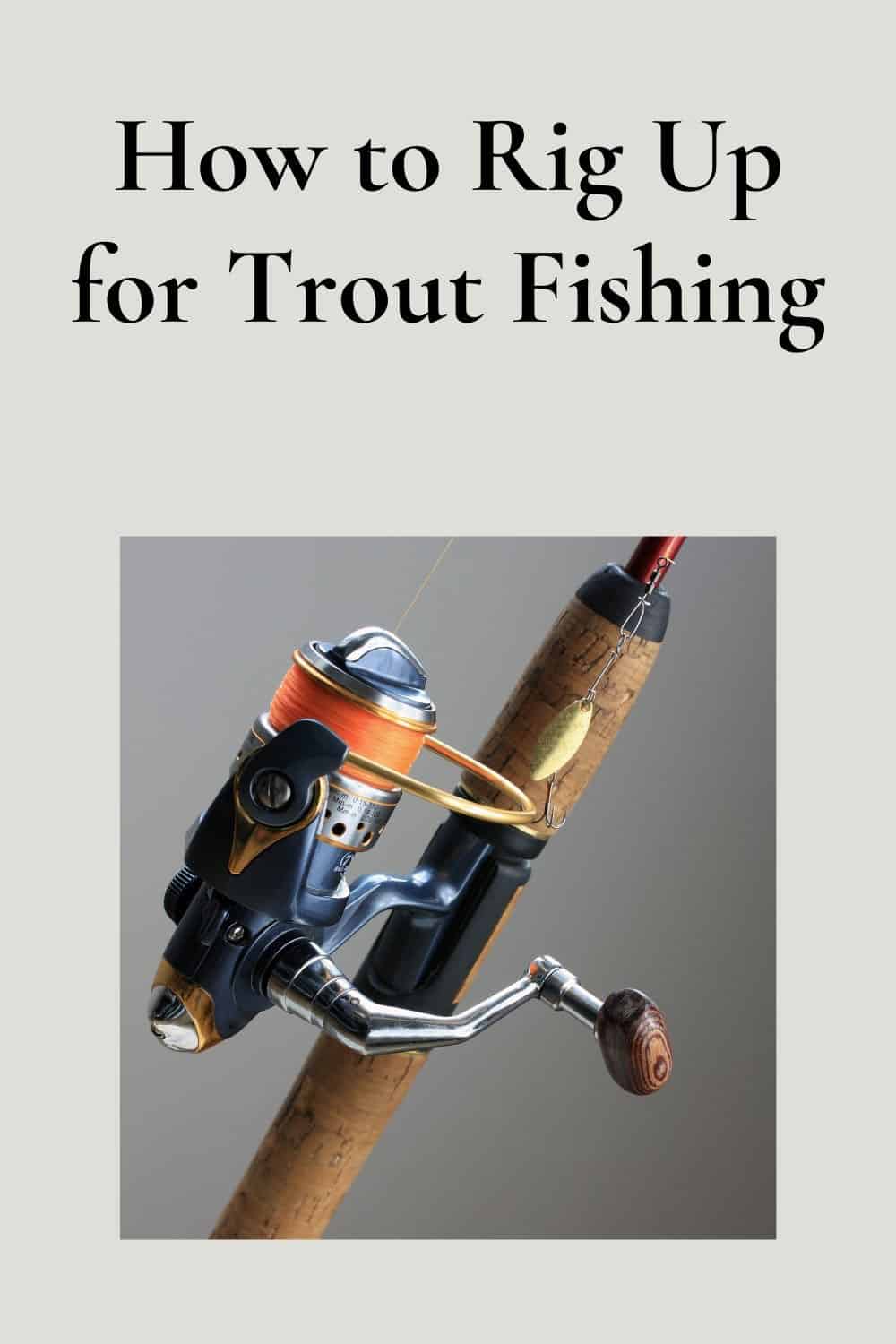
Trout fishing captivates a diverse range of anglers, and understanding how to rig properly is crucial for success. There are various rigs tailored to specific scenarios and types of trout, making it important for enthusiasts to familiarize themselves with the best practices required for optimal fishing experiences.
"Choosing the right rod and reel is the first step in rigging up for trout fishing," said expert angler Kyle Whitley. A lightweight spinning rod and reel are generally advocated, with a preference for a rod measuring between 6 and 7 feet. Selecting a model with fast action and a light power rating ensures responsiveness. Additionally, a reel equipped with a smooth drag system is essential for managing a spirited catch, as trout are known to be skittish.
"Choosing the right rod and reel is the first step in rigging up for trout fishing,"
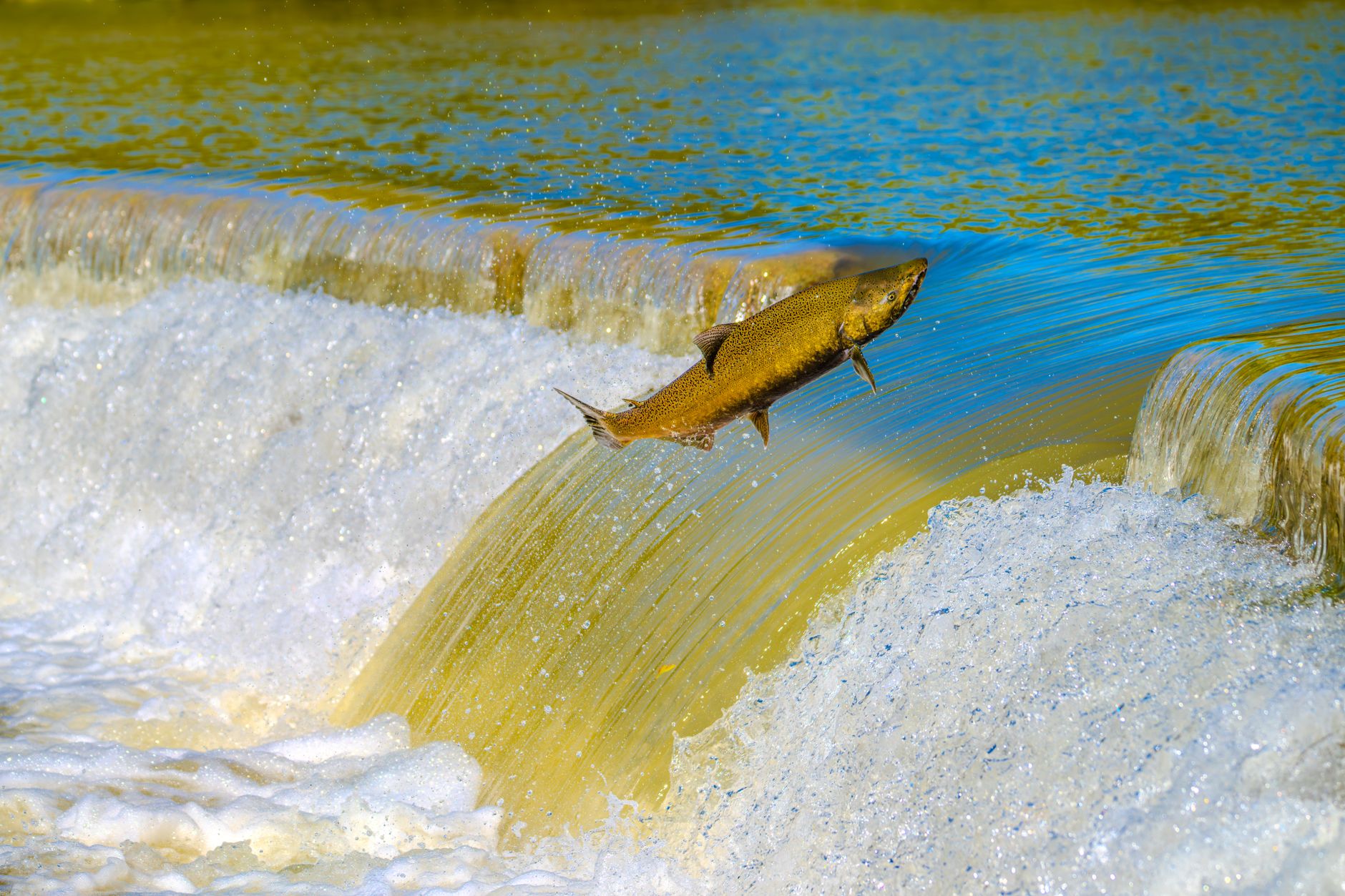
After selecting the rod and reel, the next critical component is the line and leader. Whitley emphasized, "A monofilament line is a popular choice, with a 4-6 pound test line that strikes an ideal balance between strength and natural presentation." This selection aids in keeping the bait unobtrusive, crucial for attracting wary trout. Complementarily, proponents suggest utilizing a fluorocarbon leader, which remains virtually invisible in the water, thereby enhancing the odds of a successful catch.

When it comes to hooks and lures, precision is vital. "A size 10 or 12 hook is typically best for trout fishing," explained Whitley. Anglers have a plethora of lure options available, including spinners, spoons, and soft plastics, all of which should be chosen based on the size and color of the prevalent baitfish in the local waters.
"A size 10 or 12 hook is typically best for trout fishing,"
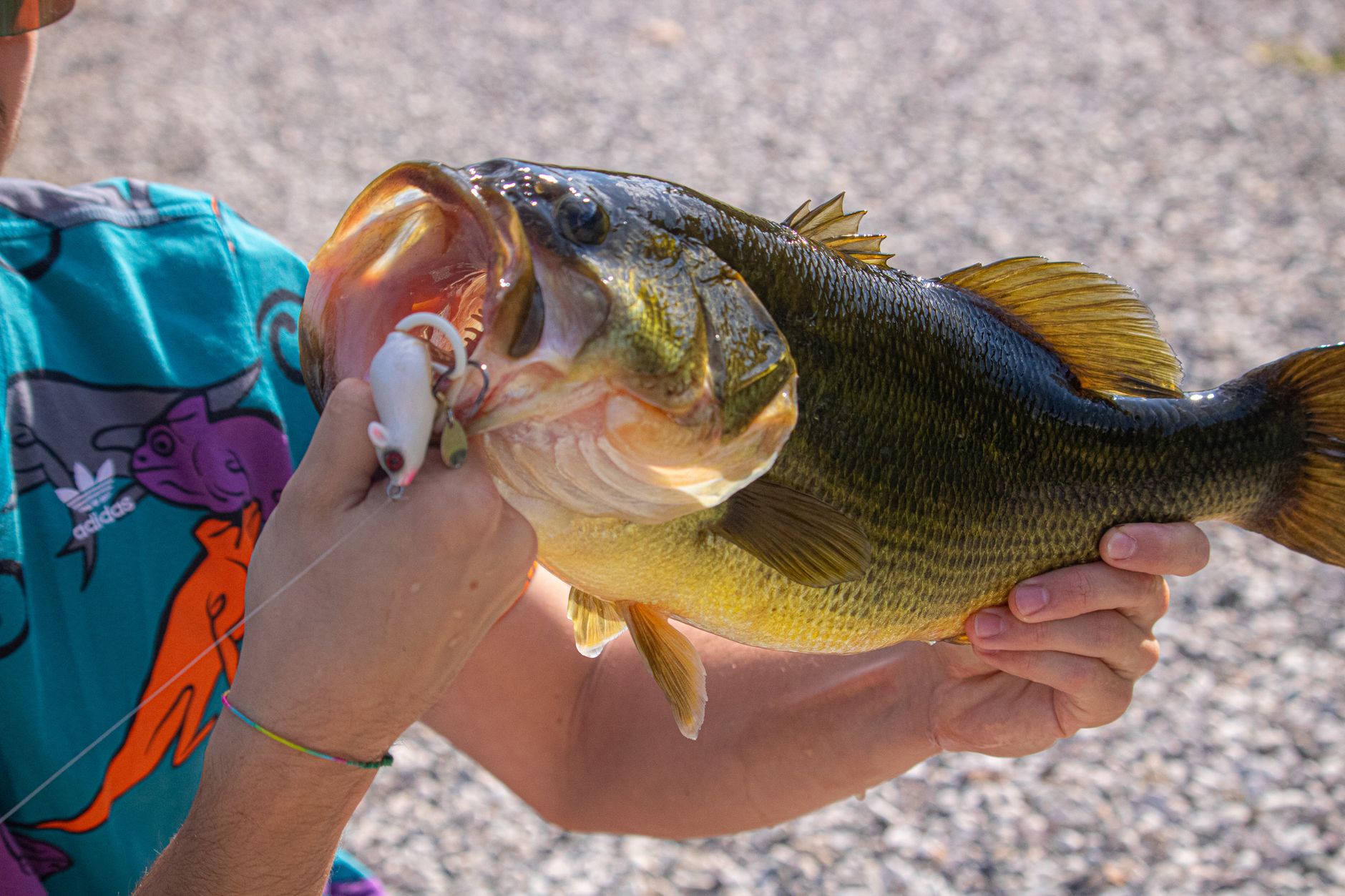
The next step revolves around rigging techniques, where mastery can significantly elevate the angling experience. Basic setups involve three primary configurations: bobber or float rigs, weight-supported rigs, and those aimed at actively retrieving an artificial lure. Among these, the bobber rig remains the most utilized for trout fishing. Whitley shared, "To set up a bobber rig, attach a small hook at the line's end, add a split shot approximately 12 inches above, and place a bobber about 2 to 3 feet above the split shot to keep bait at the desired depth."
Advanced techniques expand the angler’s arsenal. As noted by Whitley, "Using multiple hooks or lures enhances your chances of catching a fish." Techniques like the dropper rig allow anglers to present two baits at varying depths, optimizing the catch approach. "The Carolina rig is another effective method, employing a sliding weight that draws the bait close to the bottom while permitting movement, an enticing invitation for fish in deeper waters."
Career Journey
Selecting the right fishing locale also plays a pivotal role in enhancing the chances of success. Understanding where trout congregate throughout the seasons is essential. "Trout are often found in cooler, oxygen-rich waters," Whitley advised, noting that early morning and late evening are prime times for fishing. Further, he emphasized the importance of reading the water to identify areas that attract trout, such as current breaks or submerged structures.
"Trout are often found in cooler, oxygen-rich waters,"

Impact and Legacy
Incorporating a range of tips and tricks can fine-tune an angler's effectiveness. “Understanding trout behavior is integral; paying attention to their feeding patterns can provide insight into the best bait to use at any given time,” explained Whitley. Presentation techniques, including how to cast, directly impact the fish’s likelihood of striking, with precision casting often leading to better results.
Ultimately, rigging up for trout fishing encompasses a blend of selecting the right gear, employing effective rigging techniques, and understanding trout habits. As noted in the summation of best practices, combining these elements increases the likelihood of encountering success on the water. The knowledge shared by veteran anglers not only aids novices but also serves as a valuable refresher for seasoned fishers.
Looking Ahead
As fishing seasons change and techniques evolve, anglers are encouraged to continually adapt their approaches. Future outings can be enhanced by remaining open to experimentation, including adjusting techniques and rigging based on the day’s conditions and the trout's mood. With the right preparation and insights, trout fishing can transform from a simple leisure activity into a rewarding and memorable outdoor pursuit.