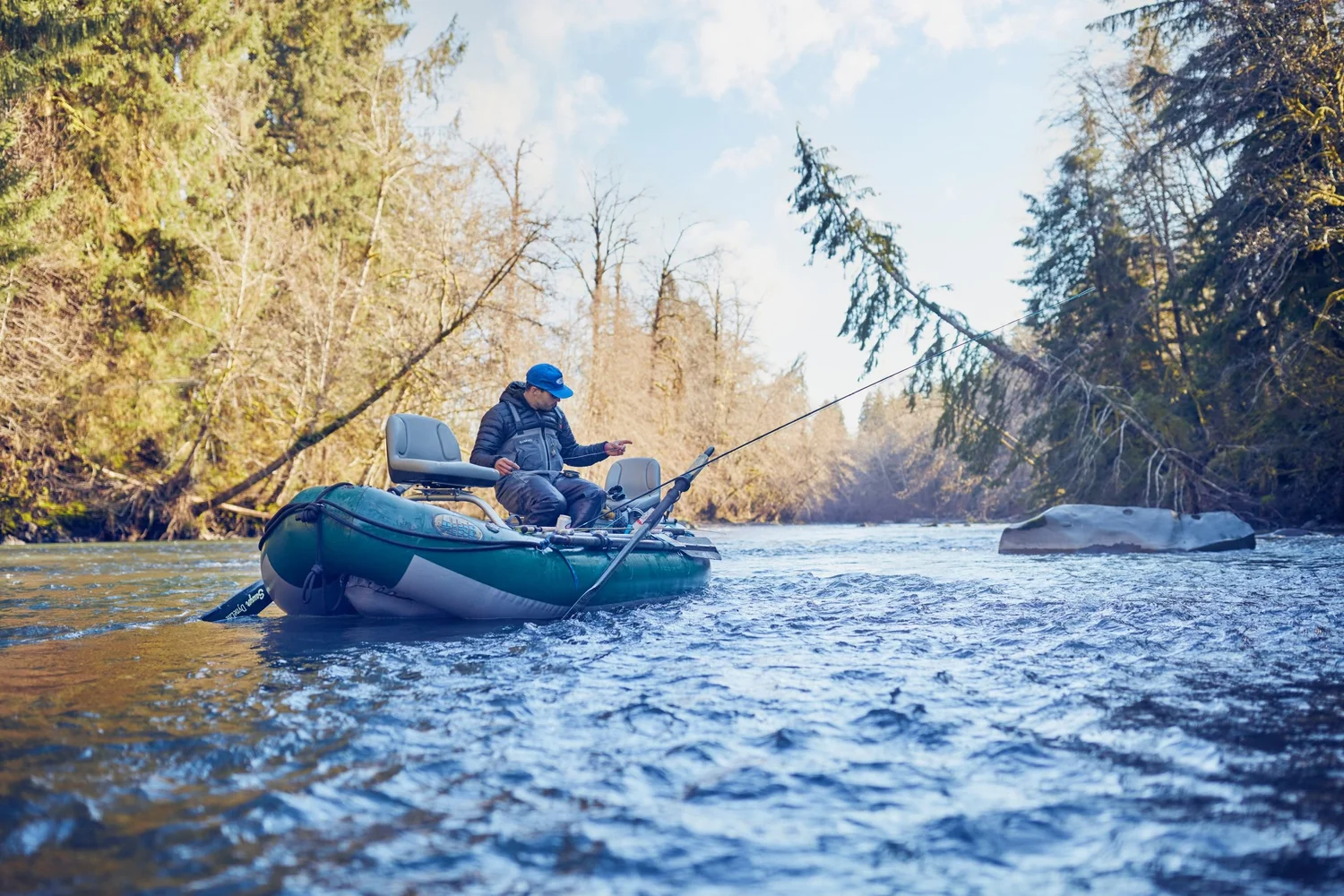
The Olympic Peninsula is a renowned haven for those seeking the thrill of trophy trout fishing. With its diverse habitats and vibrant ecosystems, this region of the Pacific Northwest draws both novice and seasoned anglers eager to test their skills. However, success in these waters requires a combination of strategy, informed techniques, and a deep appreciation for nature's bounty.
"Trout here can reach sizes that are seldom found elsewhere," shared Terrance Stevenson, an expert guide at Anadromy Fly Fishing. He emphasized that the plentiful food sources contribute to the impressive growth rates of local trout, making it a unique environment for fishing enthusiasts.
"Trout here can reach sizes that are seldom found elsewhere,"
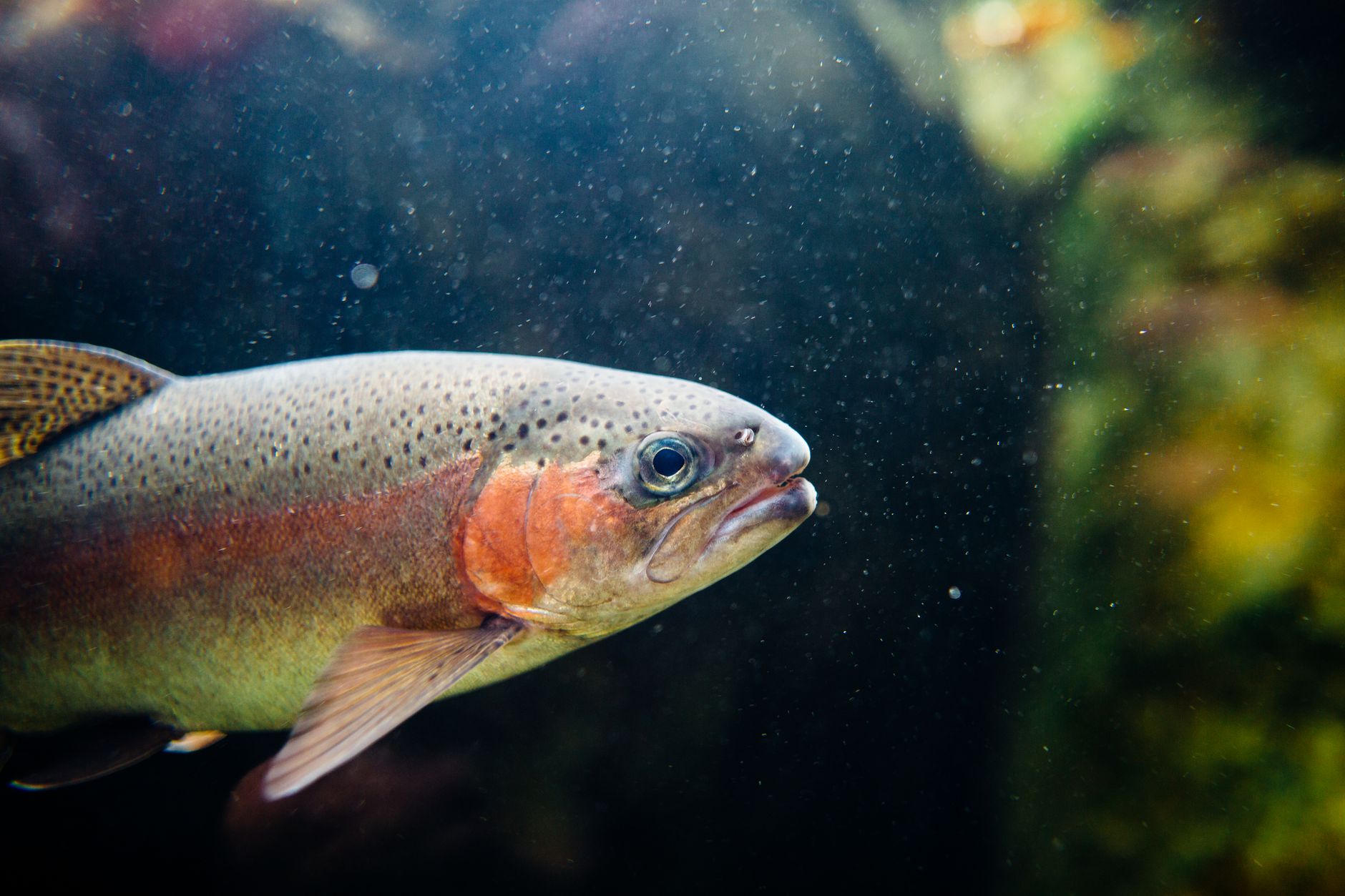
Before heading out, research becomes essential. Identify local hotspots, including rivers, streams, and lakes that support substantial trout populations. "Knowing the seasonal patterns significantly influences your fishing strategy," explained Stevenson, urging anglers to familiarize themselves with the behavior patterns throughout the year.
"Knowing the seasonal patterns significantly influences your fishing strategy,"

Equipping oneself with appropriate gear is equally important. Anglers should invest in quality rods, reels, and lines capable of handling larger trout. “Having an adjustable drag system and a sensitive rod can make the difference between landing a fish or losing one,” Stevenson advised.
Race Results
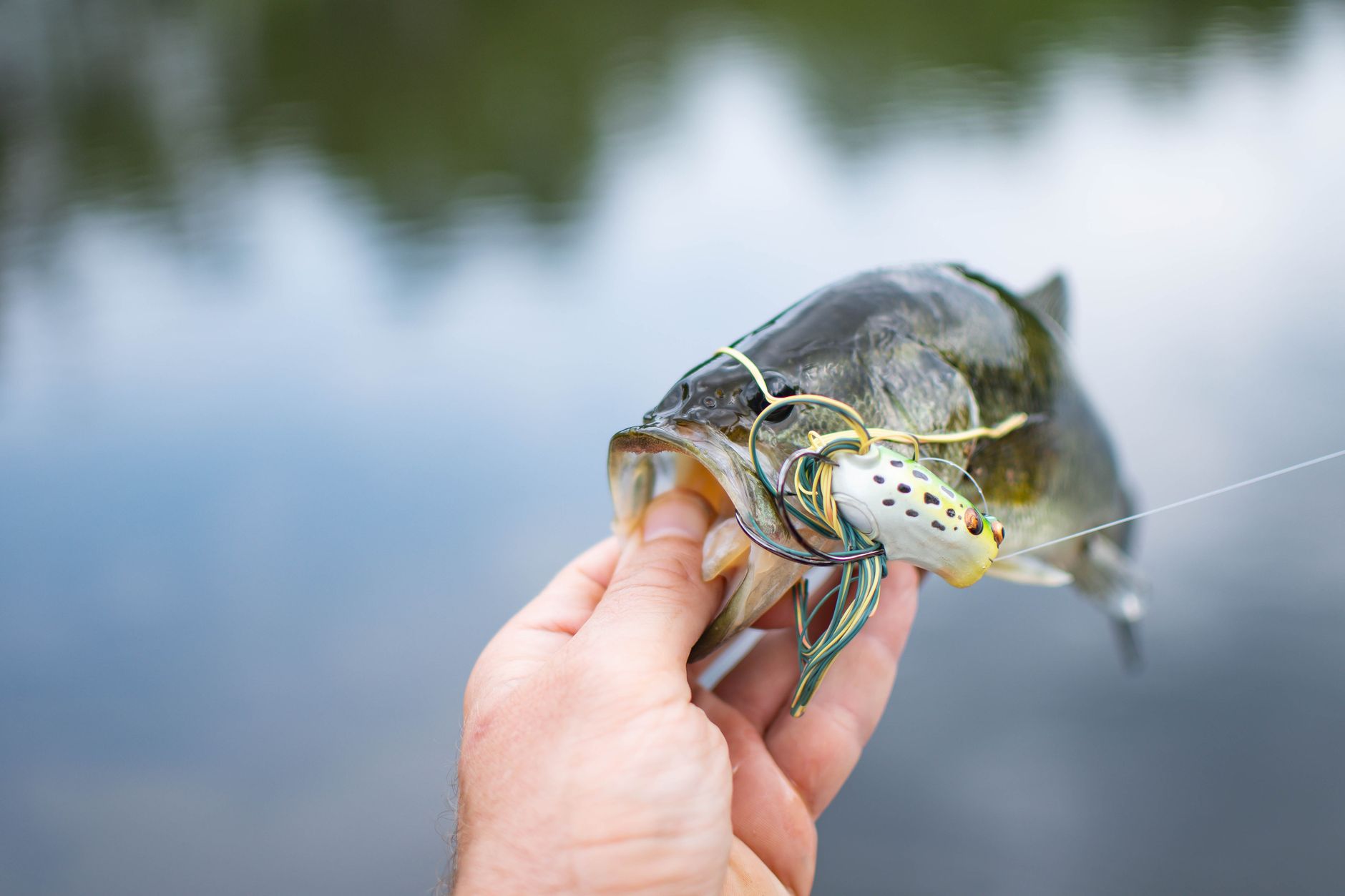
When it comes to bait and lures, versatility is key. Natural baits such as nightcrawlers, minnows, and salmon eggs can be highly effective, but exploring artificial lures like spinners, spoons, and carefully crafted flies can also yield great results. Stevenson recommended that anglers adapt their bait choices to suit the prevailing water conditions and trout preferences.
Employing refined techniques can significantly enhance one's fishing experience. For stillwaters, techniques like drift fishing with live bait and trolling with deep-diving lures prove effective in reaching submerged trout. For those fishing in streams, utilizing nymphs or dry flies to mimic local insect hatches can attract feeding trout. “The more you understand the behavior of trout, the better prepared you will be to catch them,” noted Stevenson.
Fly fishing, a favored method among many, has its own set of strategies on the Olympic Peninsula. Matching the right flies to local insect hatches is crucial. "Casting accuracy and experimenting with different retrieves can entice even the most elusive trout," Stevenson explained, highlighting the importance of adaptation while on the water.
"Casting accuracy and experimenting with different retrieves can entice even the most elusive trout,"

Moreover, keen observation of the water can provide advantageous insights. Anglers are encouraged to search for key features such as submerged rocks, deep pools, and undercut banks—areas where trout are likely to hide. "Recognizing how water currents affect trout movement helps in optimizing your fishing strategy," Stevenson added.
"Recognizing how water currents affect trout movement helps in optimizing your fishing strategy,"
Career Journey
Weather also plays a vital role in fishing success. Overcast conditions typically bring trout closer to the surface, while bright days may push them deeper. "Early mornings and evenings are prime for fishing, as cooler temperatures stimulate trout activity," Stevenson remarked, providing further insight for pursuit timing.
"Early mornings and evenings are prime for fishing, as cooler temperatures stimulate trout activity,"
By the Numbers
Practicing conservation is imperative for the ongoing health of trout populations. Stevenson stressed the importance of careful catch and release techniques. "Using barbless hooks and minimizing handling stress can sustain healthy trout numbers for future anglers," he advised, underscoring the community's responsibility toward environmental preservation.
"Using barbless hooks and minimizing handling stress can sustain healthy trout numbers for future anglers,"
Before embarking on your fishing adventure, it is prudent to comply with local fishing regulations and obtain necessary permits. Regulations can include specifics on catch limits, designated conservation zones, and seasonal restrictions. This ensures anglers are well-informed and practicing sustainable fishing methods.
Should you choose to keep your catch, careful handling and preparation are essential. The delicate flavor of freshwater trout is best appreciated when cleaned and cooked with care, offering a range of culinary possibilities from simple pan-frying to gourmet dishes.
Engagement with local fishing communities and resources can greatly enhance your fishing experience on the Olympic Peninsula. Resources such as fishing reports, guide services, and online forums provide valuable insights into current conditions and share tips among enthusiasts.
Overall, becoming proficient in trout fishing on the Olympic Peninsula is not just about technique but also about fostering respect for nature and its resources. Stevenson concluded, "By understanding trout behavior, using the right gear, and committing to conservation, anglers can profoundly enhance their fishing experience while preserving it for future generations."
For those eager to explore this fishing paradise, Anadromy Fly Fishing invites anglers to book guided adventures that unlock the beauty and bounty of the Olympic Peninsula.