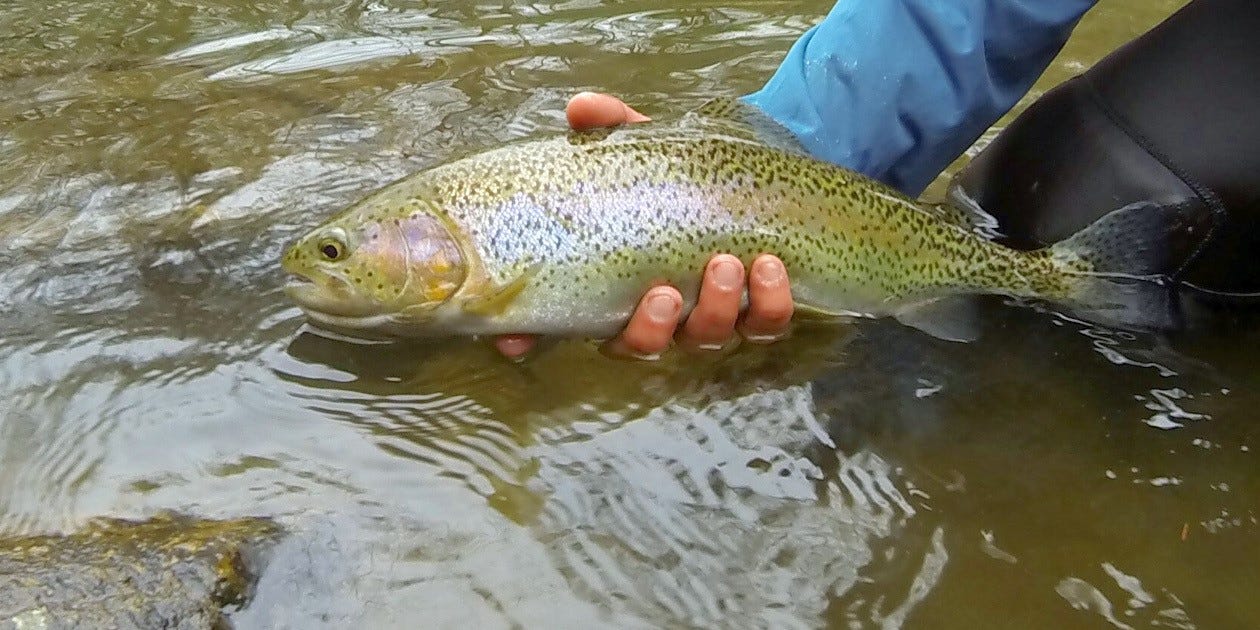
Trout fishing involves more than just choosing the right lure; it requires an understanding of stealth tactics, especially when fishing in clear waters and shallow streams. Many anglers underestimate how their presence can impact trout behavior, leading to disappointing outcomes. "I cast past the trout and began working my lure toward them with high anticipation. To my dismay, none made the slightest move toward my offering," recalled a veteran angler experiencing this firsthand.
The challenge lies in remaining undetected. It's crucial to approach fishing spots with caution. "If he had walked the edge of the creek before casting, he wouldn’t have caught anything," recounted an experienced fisherman who demonstrated effective fishing technique by pausing eight feet from the creek's edge. By staying away from the bank and avoiding abrupt movements, angling success can significantly improve.
"If he had walked the edge of the creek before casting, he wouldn’t have caught anything,"
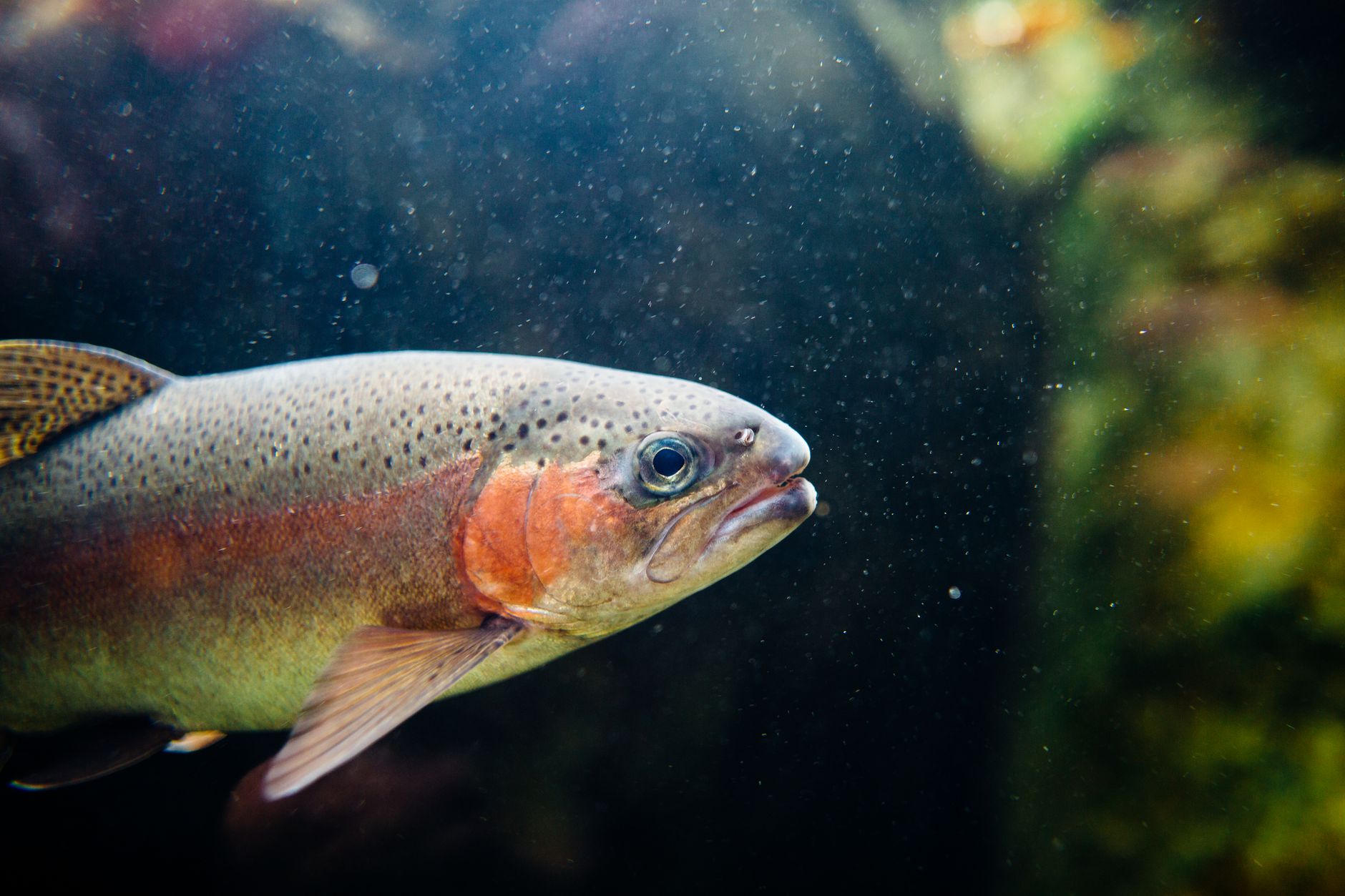
The natural layout of streams often provides opportunities for stealth. Whether you’re wading or standing on the bank, ensuring that you minimize your visibility can be advantageous. Fish are keenly aware of their environment and the vibrations in the water. Therefore, positioning oneself away from the fish's line of sight prevents spooking them. According to an expert, maintaining a low profile and moving cautiously is essential: "Visually, you’re far less prone to being noticed and seen as a threat if you minimize abrupt movements."

Maintaining silence is equally important. Fast footsteps in the water can send vibrations downstream, alerting fish to potential danger. A different angler noted the importance of soft movements: "Softening all movements as much as possible makes a significant difference."
In shallow waters or small streams, wild trout may spot anglers easily. Employing natural camouflage and using terrain features like boulders can enhance stealth. Dressing in drab colors helps too, as it blends into the surrounding environment. The same angler advised, "Whether you’re on the bank or in the stream, you can guard from being seen by staying near edges."
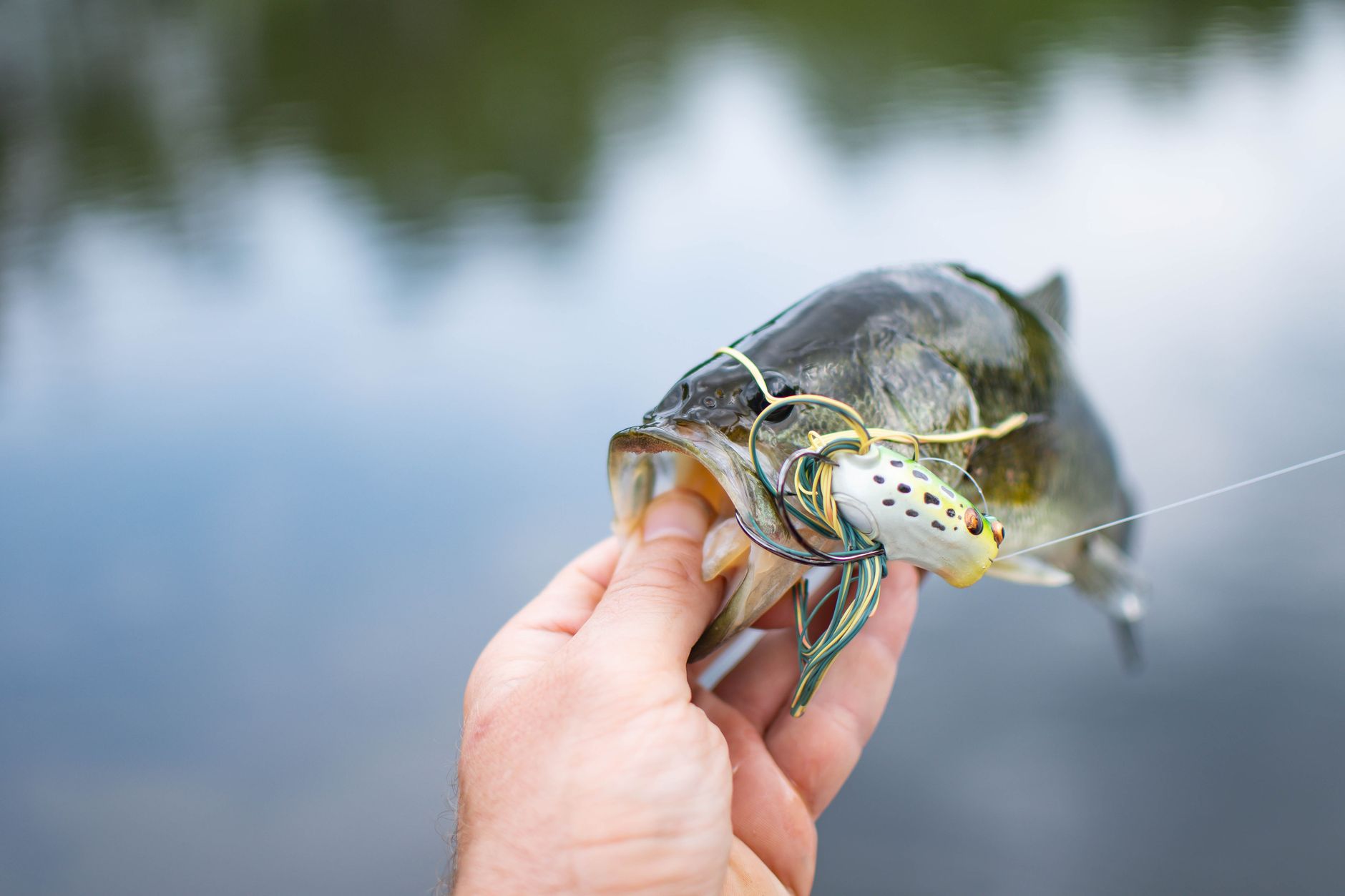
Furthermore, understanding the behavioral patterns of trout can elevate fishing success rates. In many streams, trout face upstream due to the current, making fishing downstream more effective. By positioning oneself downstream and casting upstream, anglers can approach trout from behind. This strategy not only keeps anglers hidden but also mimics the natural flow of food towards the fish. "Knowing how the fish are apt to be positioned makes it easier to plan and execute natural presentations," explained a local fishing guide.
"Knowing how the fish are apt to be positioned makes it easier to plan and execute natural presentations,"
Once positioned, maintaining a stealthy approach continues to be crucial. Movement speed affects not just visibility but also sound. The quieter you move, the better your chances of not alarming the fish. An experienced angler emphasized that, "Moving slowly as you walk from spot to spot or wade to a casting position maximizes stealth."
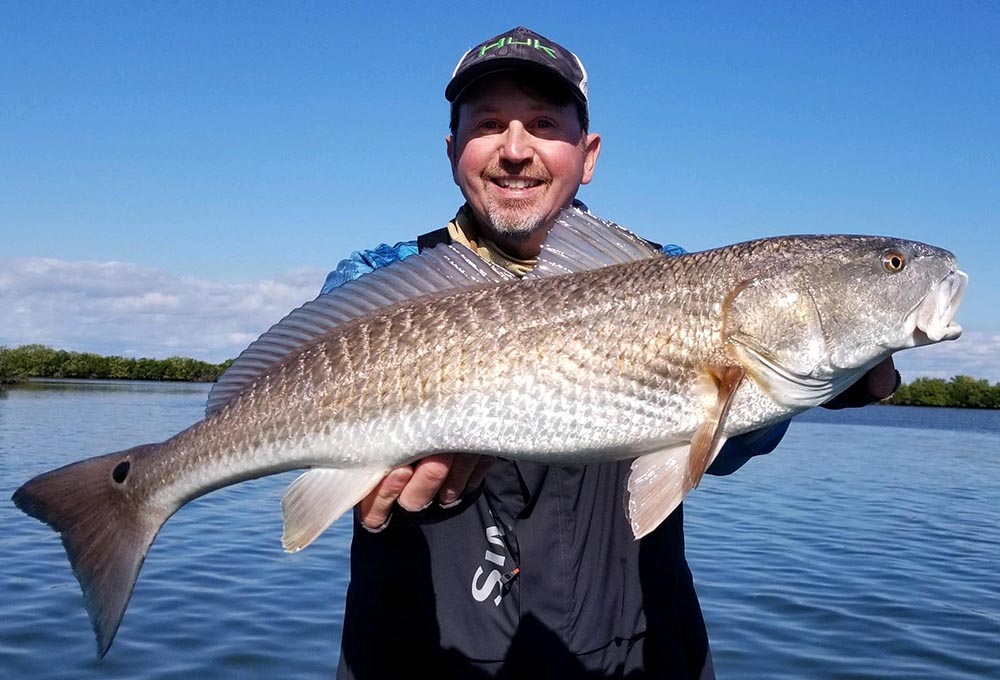
Ultimately, capturing trout is about more than just your lure or bait; it involves a keen understanding of the fish's instinctual responses. By mastering the art of stealth through careful positioning, slow movements, and natural presentations, anglers can significantly increase their catch rates.
Looking Ahead
Looking ahead, as trout fishing seasons evolve, it's essential to adapt these techniques accordingly. Increasing awareness of trout behaviors and the environments in which they thrive will continue to be important for anglers keen on improving their success rates. The combination of stealth tactics with advantageous positioning can be the key to unlocking the secrets of effective trout fishing.