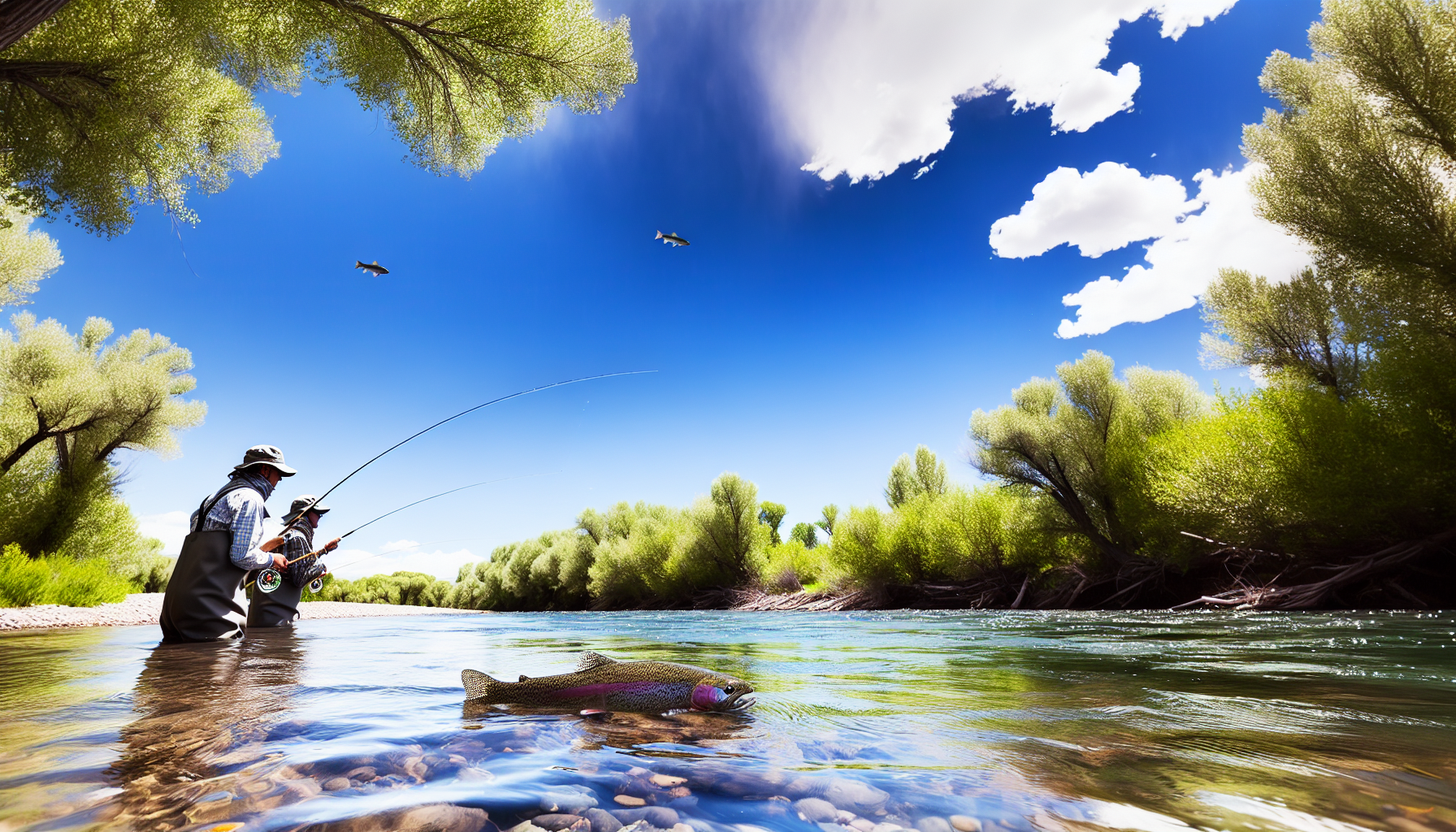
Rainbow trout, scientifically named Oncorhynchus mykiss, stand out as a favorite among anglers across North America, thanks to their vibrant colors and spirited fights. "Whether you're an experienced angler or just getting started, knowing how to target rainbow trout can significantly enhance your fishing experience," said Savanna Rowe, an avid angler. This guide aims to provide essential insights into the techniques and strategies that can lead to a successful catch.
"Whether you're an experienced angler or just getting started, knowing how to target rainbow trout can significantly enhance your fishing experience,"
Originating from the chilly tributaries of the Pacific Ocean, rainbow trout have been introduced to various parts of the world, adapting well to different environments. These fish thrive in clean, well-oxygenated waters and generally prefer temperatures between 50 and 60 degrees Fahrenheit. "Their adaptability and willingness to bite a variety of lures and baits make them a popular game fish," noted an industry expert.
"Their adaptability and willingness to bite a variety of lures and baits make them a popular game fish,"
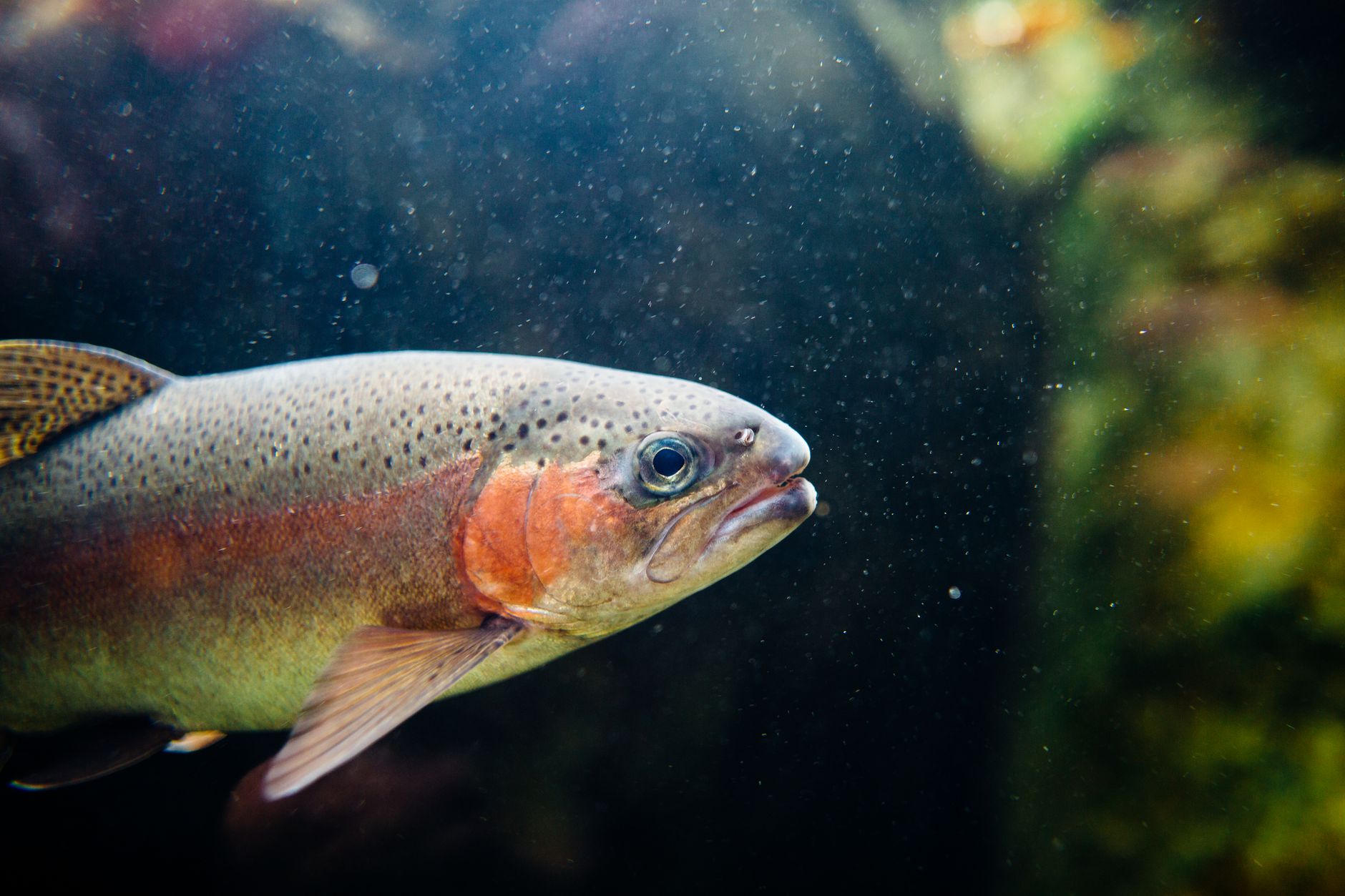
The physical attributes of rainbow trout are part of their appeal as well. They possess a striking pink to red stripe along their sides, contrasted by a silvery body speckled with black spots—features that help them blend in with their surroundings while also capturing the angler's eye. Typically, stream-dwelling versions of rainbow trout range from 8 to 16 inches, with larger lake-dwelling steelhead versions often surpassing these lengths.

To successfully reel in a rainbow trout, having the right gear is crucial. "An ideal setup includes a light to ultralight spinning rod between 6 to 7 feet in length, combined with a smooth reel featuring a quality drag system," Rowe recommended. This setup accommodates their energetic runs and acrobatic jumps.
"An ideal setup includes a light to ultralight spinning rod between 6 to 7 feet in length, combined with a smooth reel featuring a quality drag system,"
When it comes to fishing line, using a 2 to 6 lb test monofilament or fluorocarbon line can prove effective. "In clear waters, fluorocarbon is preferable due to its reduced visibility," suggested a local fishing guide. A 24- to 36-inch fluorocarbon leader can also enhance the natural presentation of bait.
"In clear waters, fluorocarbon is preferable due to its reduced visibility,"
Race Results
Regarding bait options, both live and artificial selections can yield favorable results. Live bait such as nightcrawlers and minnows often lure hungry trout, particularly during the spawning season when salmon eggs are a favorite. On the other hand, artificial baits like PowerBait and soft plastics can be just as enticing. "PowerBait mimics the scent and appearance of hatchery pellets, making it particularly effective for stocked trout," said a local tackle shop employee.
"PowerBait mimics the scent and appearance of hatchery pellets, making it particularly effective for stocked trout,"
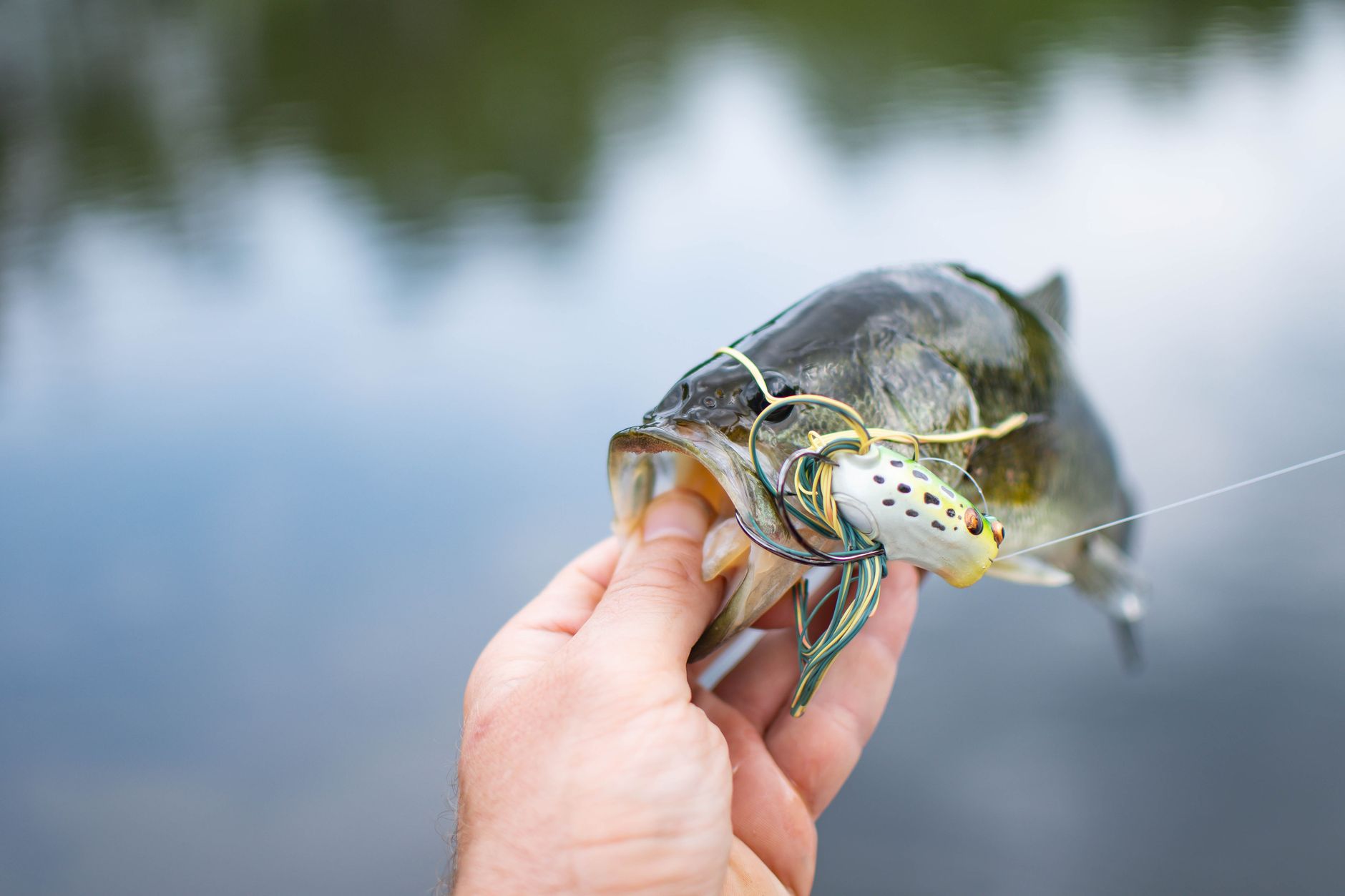
When discussing effective lures, spinners are some of the most reliable. "Rooster Tail, Panther Martin, and Mepps Aglia are staples that should be in every angler's tackle box," advised Rowe. Spoons and crankbaits also prove fruitful, allowing for adept water coverage.
"Rooster Tail, Panther Martin, and Mepps Aglia are staples that should be in every angler's tackle box,"

For those interested in fly fishing, adjusting your fly selection to conditions is vital. During warmer weather, dry flies like the Adams or Blue Winged Olive can be quite successful as trout surface feed. "Nymphs such as Pheasant Tail are excellent for subsurface feeding," an experienced fly fisher shared. Streamers can also be effective in low light conditions, luring the attention of larger trout.
"Nymphs such as Pheasant Tail are excellent for subsurface feeding,"
Career Journey
Identifying prime fishing locations is another key component of success. Rivers and streams with riffles and pools provide ideal habitats where trout hold near rocks or undercut banks. In lakes and reservoirs, anglers should target inlets, outlets, and drop-offs. "Fishing early in the morning or late in the evening increases your chances of a catch," Rowe noted.
"Fishing early in the morning or late in the evening increases your chances of a catch,"
Race Results
The tailwaters below dams consistently maintain flow and temperature, creating excellent year-round environments for rainbow trout. Seasonal strategies play a crucial role in when and how to fish for these vibrant species. "In the spring, as temperatures rise, you’ll find trout feeding actively in shallower waters," said a local angler. Summer finds them in deeper, cooler locales, while fall sees an aggressive feeding frenzy as trout prepare for winter. Winter fishing, while more challenging, can still yield results with the right approach.
"In the spring, as temperatures rise, you’ll find trout feeding actively in shallower waters,"
Overall, mastering the art of catching rainbow trout requires not only knowledge of the fish itself but also adaptability to changing conditions and environments. "Every fishing trip is an opportunity to learn and improve your skills," Rowe remarked, highlighting the continual journey of an angler. With the right preparation and understanding, your next fishing expedition could lead to an impressive catch of rainbow trout.
"Every fishing trip is an opportunity to learn and improve your skills,"