Fishing is an art informed by principles that enhance the chances of success. One of the leading concepts is the "90/10 Rule," which stipulates that 90% of the fish occupy just 10% of the water. Understanding how to identify these crucial areas is fundamental to your fishing experience, as it can significantly affect your catch rate.
"90/10 Rule,"
"Success isn’t just about casting; it’s about strategy," said Leonard Schoenberger, an experienced angler.

"Success isn’t just about casting; it’s about strategy,"
Career Journey
Timing plays a vital role in fishing success. Fish tend to be most active during the cooler parts of the day, especially in the early morning and late evening. These times are often the most productive for anglers looking to reel in a catch.
Career Journey
Career Journey
Career Journey
Starting out as an effective angler does not require an endless supply of sophisticated equipment. According to Schoenberger, "All you need is a closed-face reel, a basic rod, and a small tackle box to begin your fishing journey." Although the guide primarily focuses on spin fishing, anglers may eventually explore diverse techniques, including fly fishing.
At the heart of successful fishing is the understanding of where to cast. Schoenberger explained, "Your goal is to find those hotspots, areas where fish congregate to feed and feel safe." Exploring features within the water that serve as natural magnets for fish can enhance your success rate.
Look for specific characteristics that indicate productive fishing areas. "Unique features like beaver ponds or the slower sections of streams are often highly productive for anglers," he stated. Changes in depth, such as ledges and drop-offs, serve as travel lanes for fish. Current breaks in rivers also provide ideal spots for fish to conserve energy while staying in the flow of water.
"Unique features like beaver ponds or the slower sections of streams are often highly productive for anglers,"
Cover is equally important, with structures like fallen trees, submerged rocks, and weed beds acting as protection for fish from predators. Schoenberger emphasized the need for flexibility when casting. "If you aren’t getting any bites within 15 to 20 minutes, it’s time to move. Work along the bank and try different structures until you locate the fish."
Once you've identified potential hotspots, it's crucial to equip yourself properly. New anglers need a simple yet effective fishing kit that doesn’t overwhelm them. "Starting with user-friendly gear is key to focusing on the essentials of fishing," Schoenberger advised.
"Starting with user-friendly gear is key to focusing on the essentials of fishing,"
Impact and Legacy
For beginners, the choice of reel significantly influences the learning process. "Opting for a closed-face reel can simplify the initial casting experience, while an open-faced reel may provide better distance once you're comfortable," Schoenberger added. The versatility in rod choice is equally important; telescoping poles offer portability, while longer two-piece rods enable more accurate casts.
"Opting for a closed-face reel can simplify the initial casting experience, while an open-faced reel may provide better distance once you're comfortable,"
A well-rounded tackle setup includes essential components for targeting common species like trout. "All you need are worms for bait, a few sinkers, a bobber, and the right size hook to match your target fish," suggested Schoenberger.
"All you need are worms for bait, a few sinkers, a bobber, and the right size hook to match your target fish,"
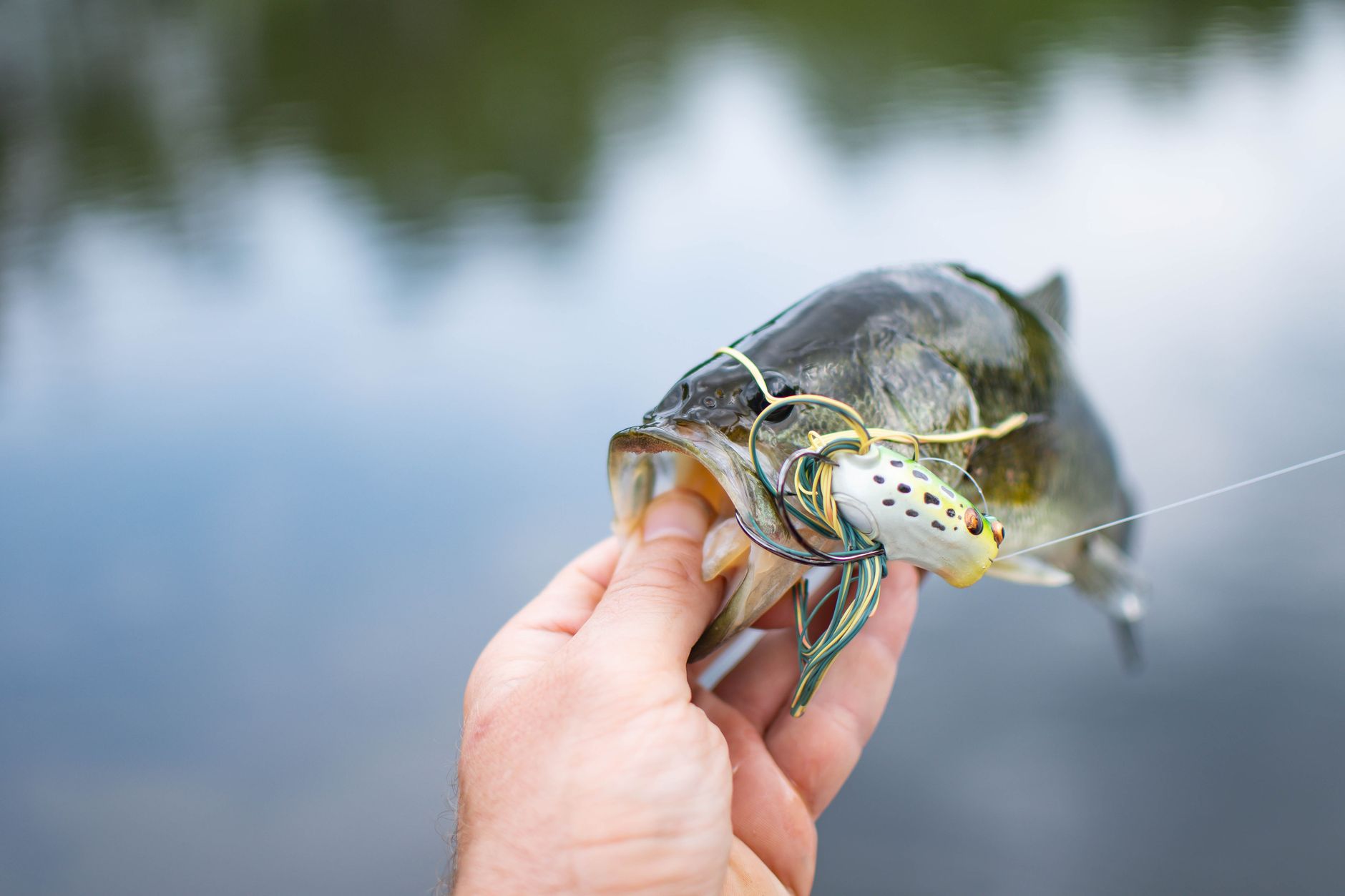
The age-old debate of natural versus artificial bait also emerges when discussing successful fishing techniques. Natural baits, such as worms, attract fish through their smell and taste, while artificial lures are designed to trigger predatory instincts. Schoenberger noted, "Both types have their merits depending on the environment and the specific fish species you are targeting."
Career Journey
In conclusion, understanding the fundamental principles of fishing makes it easier to enjoy and succeed in this rewarding activity. As you grow in skill and confidence, you can explore various fishing techniques and continue refining your approach to mastering the art of catching fish. The insights shared by seasoned anglers will serve as a solid foundation for any aspiring fisher. As you embark on your fishing journey, remember that practice and patience are often just as important as technique.