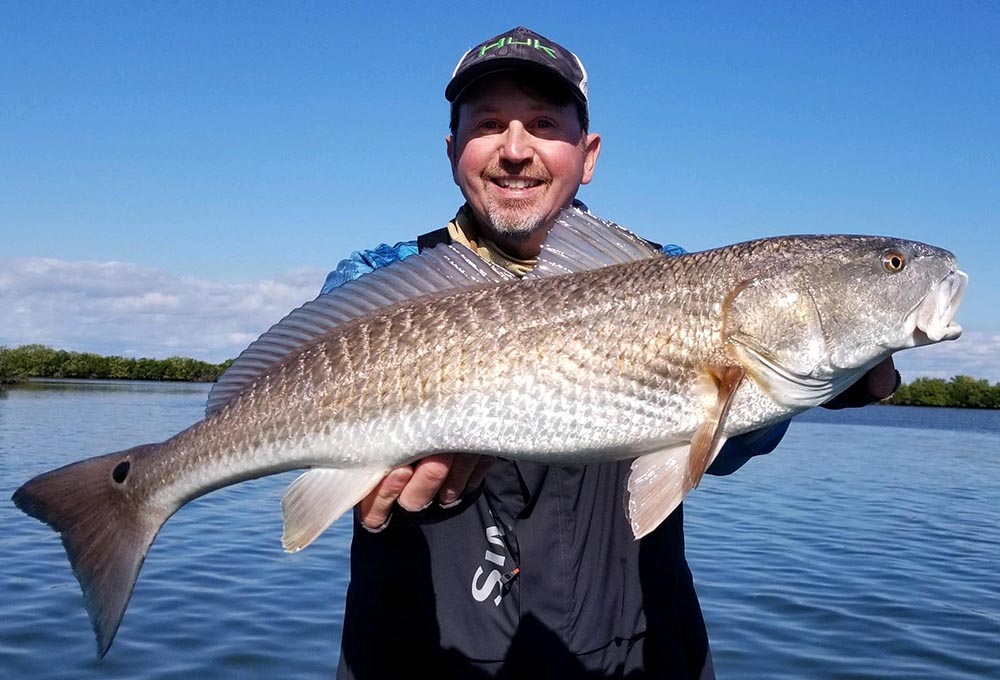
For over a decade, recreational fishing for red snapper off the coast of Georgia has faced strict regulations due to overfishing concerns. However, local anglers, fueled by their own observations, are advocating for changes that would expand fishing days for this popular species. Russell Kent, an avid fisherman for the last 35 years, has lamented the limitations imposed since 2010 when the National Oceanic and Atmospheric Administration (NOAA) first classified red snapper as overfished in the South Atlantic.
"I haven’t been able to fish for my favorite catch, red snapper, in nearly two decades," said Kent, highlighting the bittersweet nature of fishing's decline in his region. Severe restrictions followed as catch days dwindled to as little as one or two days each year. Kent argues that firsthand experiences contradict the federal assessment.
"I haven’t been able to fish for my favorite catch, red snapper, in nearly two decades,"

"Our concern relates to the quality of [NOAA's] data," he said. "We have scientists saying one thing that is very inconsistent with what recreational fishers are saying. " In response to these concerns, the Coastal Conservation Association of Georgia, along with several other fishing organizations, is collaborating with the Georgia Department of Natural Resources Coastal Resources Division (CRD) on a potential pilot program.
"Our concern relates to the quality of [NOAA's] data,"
This initiative aims to secure an Exempted Fishing Permit (EFP), which would allow specified red snapper fishing over a two-month period each year, specifically from July 1 through August 31, with a daily catch limit of one fish per angler. The CRD submitted its EFP request to U. S.
Secretary Howard Lutnick on November 10, 2025. Doug Haymans, the director of the CRD, stated he anticipates a decision no later than May 1. This effort aligns with similar proposals submitted by other Atlantic states.
The fishing community recognizes that gathering accurate data is crucial. Kent explained, "The catch... would be collected as data during those two months.
And, a $10 fee for anglers fishing at reefs that would go into a data collection program. " Despite the cheerful prospect of expanded fishing opportunities, some challenges remain. A recent NOAA report indicates that recreational discards significantly contribute to overfishing.
"When a snapper is caught, anglers must return them back to the water," noted the report. Unfortunately, due to pressure changes, these discarded fish often struggle to survive. Kent shared his frustrations about the current situation, stating, "It’s very difficult to target one fish over another.
"When a snapper is caught, anglers must return them back to the water,"
Race Results
Race Results
Race Results
It has gotten harder and harder to find a site where you don't catch predominantly red snapper. " He highlights the ecological shift that has transpired since the red snapper fishery closure, noting that many regions have turned into red snapper hotspots. The results of this regulatory push are not just for sport; they touch on environmental stewardship and community sustenance.
Chandler Cole, another local angler, articulated the plight faced under the current restrictions: "I used to be able to fish reefs within 10 miles of the coast and regularly catch enough sea bass, grouper, and snapper to help feed my family. Since the red snapper fishery was closed, these reefs have become heavily populated with red snapper. " The efforts to promote a more flexible fishing regime reflect a growing confidence among Georgia anglers that the red snapper population has rebounded and merits reconsideration of regulations.
Looking Ahead
Looking Ahead
As the fishing community awaits the outcome of the CRD's request for an EFP and a decision from the Secretary, they remain hopeful for better fishing days that could coincide with more accurate data collection efforts. The anticipation continues for local fishermen eager to return to the waters and enrich their community through sustainable fishing practices. Looking ahead, it will be important to see how this situation unfolds, particularly as NOAA assesses regional fish populations and evaluates the recommendations of local fishing advocates.
Looking Ahead
As stakeholders await a verdict, the implications add a complex layer to the future of red snapper fishing off the coastal waters of Georgia.