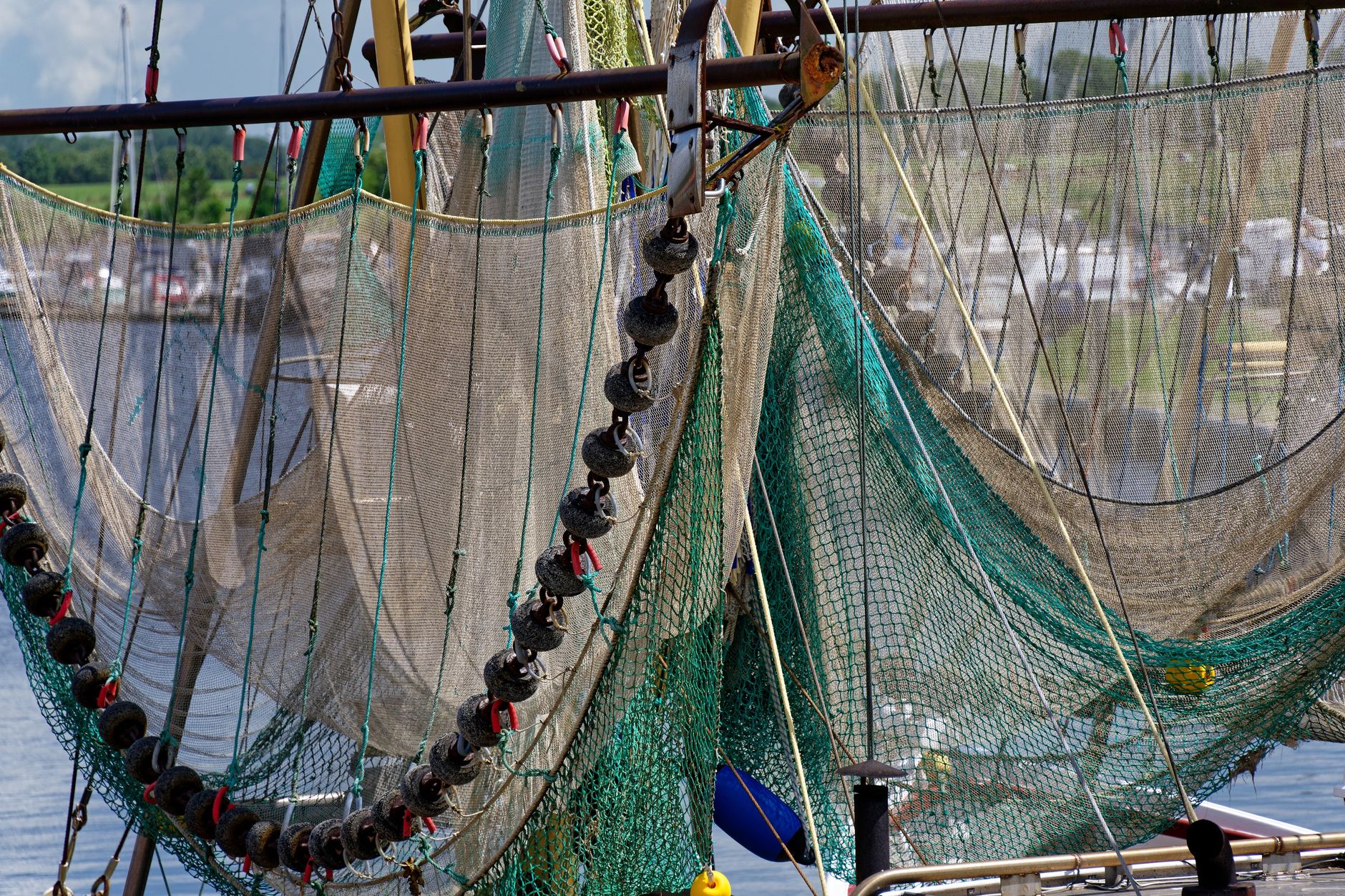
The world is producing and trading more fish than ever — and farmed fish now outweigh everything pulled from the wild. But the United Nations' flagship fisheries report, released this week, lands with a sharp caveat: the records mask a sustainability fight that is far from won.
The Food and Agriculture Organization launched its State of World Fisheries and Aquaculture (SOFIA 2026) on Tuesday at the 11th Our Ocean Conference in Mombasa, Kenya. It puts global fisheries and aquaculture production at a record 235 million tonnes in 2024, including 195 million tonnes of aquatic animals. Trade in aquatic animal products hit roughly $184 billion, a value the FAO says now rivals the global trade in land-based meat.
The headline shift is structural. Aquaculture's production of aquatic animals topped 100 million tonnes for the first time, reaching about 103 million tonnes, and now accounts for 53 percent of all aquatic animal production. Wild capture fisheries, by contrast, have effectively plateaued, holding in the 86–94 million tonnes range since the late 1980s and landing about 92 million tonnes in 2024. Nearly all of the sector's growth this century has come from farming, not fishing.
"The report illustrates that, more than ever before, a healthy planet requires a healthy ocean and healthy inland waters," FAO Director-General QU Dongyu wrote in the foreword. "We need to ensure that all necessary efforts are made to reverse the decline in sustainability and secure the long-term potential of the sector, for generations to come."
The catch totals carry some surprises for anglers and managers alike. Tuna catches reached a record 9.3 million tonnes in 2024. Peru's anchoveta — the backbone of the global fishmeal trade — rebounded by 109 percent to more than 5.0 million tonnes after a dismal 2023. Inland fisheries set their own record at 12.3 million tonnes.
Where the report gets contested is on overfishing. The FAO highlights an encouraging figure: when weighted by volume, 72.6 percent of 2023 landings came from biologically sustainable stocks, confirming that the biggest, most productive fisheries tend to be the best managed. The Marine Stewardship Council, which co-organized the launch event, pointed to a less flattering number — that counting stocks individually, only 62.4 percent are sustainable.
"The FAO's new data shows very clearly that overfishing continues to be a serious global problem," said Michael Marriott, MSC program director for Africa, the Middle East and South Asia. "When fisheries are well managed, they have healthier stocks, but when management is lacking, stocks suffer. The data shows us that sustainable management works but is not being universally applied."
The regional gaps are stark. The Antarctic posted 100 percent sustainable stocks and the Northeast and Southwest Pacific were close behind, but the Mediterranean and Black Sea came in lowest at 45.7 percent, with the Eastern Central Atlantic not far ahead at 47.1 percent.
Production is just as lopsided. Asia accounts for roughly 89 percent of farmed aquatic animals, with China alone responsible for 56 percent of global output. Europe, meanwhile, is sliding. Manuel Barange, the FAO's top fisheries and aquaculture official, has warned that the continent risks "becoming increasingly dependent on production developed in other regions" even as it remains the world's largest seafood importer, buying 41 percent of global imports by value.
Then there is who actually gets to eat the fish. Global per-capita supply of aquatic animal food averaged 21.1 kg in 2023, but Africa managed just 9.1 kg per person against Asia's 26.3 kg — a gap the FAO says demands targeted policy. Climate change looms over the projections: under high-emissions scenarios, exploitable fish biomass could fall by more than 10 percent in several regions by 2050.
The FAO expects total aquatic animal production to keep climbing, reaching 214 million tonnes by 2034. Whether that growth is shared more evenly, and whether the overfishing still gripping the worst-managed regions can be reversed, are the questions the record numbers leave wide open.