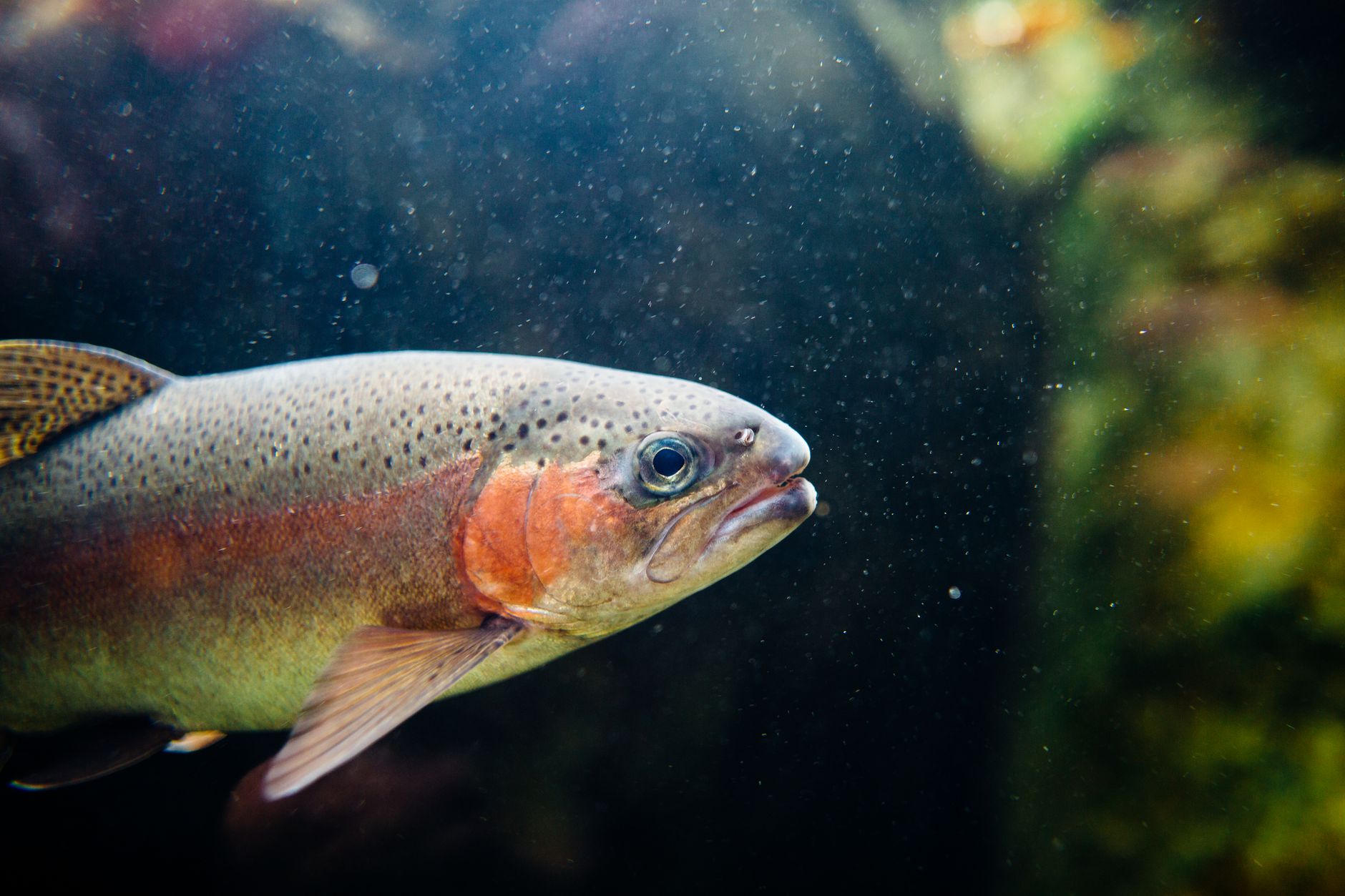
Brown trout fishing offers anglers a unique challenge, often referred to as the pinnacle of freshwater fishing. Known scientifically as Salmo trutta, these fish are native to Europe but found a suitable home across U.S. waters after their introduction in the late 19th century. Their elusiveness has earned them the nickname "the ghosts of the stream," a testament to their ability to blend seamlessly into their surroundings—residing in deep pools or lurking beneath undercut banks.
"the ghosts of the stream,"
Despite their shy nature, brown trout are notorious for their size and strength. "Every encounter with a brown trout feels like a small victory," said a local angler, emphasizing the rewarding nature of these catches. Whether your journey takes you to the serene South Holston River in Tennessee or the picturesque Madison River in Montana, the pursuit of this fish is both thrilling and fulfilling.
"Every encounter with a brown trout feels like a small victory,"
To hone your skills for reeling in these elusive creatures, know where to find them. The South Holston River stands out for its crystal-clear waters, providing an ideal habitat that boasts upwards of 8,500 fish per mile, marking it as a top destination in the Southeast. Conversely, the Madison River in Montana attracts anglers seeking migrating browns during the fall spawning season, making it a prime spot for trophy hunters. "Fall is the ideal season to catch trophy browns," noted a seasoned fly fisherman, highlighting the aggression of browns during this period.
"Fall is the ideal season to catch trophy browns,"

The Green River in Utah, known for its dramatic red-rock canyons, also draws anglers due to the large, aggressive browns that thrive there during summer, particularly when hoppers are active. Meanwhile, the historic Beaverkill River in New York, a favorite among fly fishermen for over a century, remains a treasure for angling enthusiasts seeking wild brown trout.
Career Journey
Each season presents unique strategies for effectively targeting brown trout. In spring, as water temperatures rise, trout become more active and aggressive. "Using streamers like the Woolly Bugger mimics small fish and baitfish, making early morning a productive time to fish," an expert angler advised.
"Using streamers like the Woolly Bugger mimics small fish and baitfish, making early morning a productive time to fish,"
Career Journey
Summer demands a change in tactics as browns seek refuge in deeper and shaded areas. Fishing during the cooler parts of the day—early morning or late evening—can lead to greater success, especially with terrestrial flies like grasshoppers and beetles. Come fall, the focus shifts again as trout prepare for spawning, making them aggressive targets for anglers using larger streamer patterns.
For the undeterred winter angler, there's still promise. "Dedicated fishermen know this is a great time to catch browns," shared a local pro. Anglers should opt for small nymphs, targeting deeper water where trout conserve energy.
"Dedicated fishermen know this is a great time to catch browns,"

Impact and Legacy
Choosing the right equipment can significantly impact your fishing experience. A rod in the 6-8 weight range is ideal for navigating rivers and larger lakes. "A 9-foot rod offers the best balance between power and precision," recommended an industry expert. Additionally, a reel with a smooth drag is crucial for managing the powerful runs typical of large brown trout.
"A 9-foot rod offers the best balance between power and precision,"
The selection of flies is equally important, encompassing a mix of streamers, nymphs, and dry flies. Streamers like the Clouser Minnow and nymph patterns such as the Hare’s Ear are reliable choices. Polarized sunglasses can enhance visibility, aiding in scouting for fish underwater, while a sturdy net is a must for landing larger trout successfully.
Techniques such as dead drift nymphing mimic natural insect movements, making this method particularly effective during transitional seasons. Streamer fishing, especially in low-light conditions or after rain, reliably attract aggressive browns. "Browns become more active at night," an expert once noted, indicating that nighttime offers unique challenges and extraordinary rewards.
"Browns become more active at night,"
Anglers should also remain vigilant against common mistakes that can hinder success. "Using too light of tackle can result in broken lines or lost fish," cautioned an experienced fisherman. Additionally, overcasting can spook fish; it's better to cast upstream and allow for a natural drift. Equally important is the need to match the hatch, as being in tune with the local insect activity is critical for enticing bites.
"Using too light of tackle can result in broken lines or lost fish,"
In summary, brown trout fishing combines technical skill with the thrill of the chase. As one angler expressed, "It's not just about catching fish; it’s about enjoying the journey. Discovering the best techniques, locations, and understanding the nuances of each season can transform your fishing adventures into memorable experiences."