
The practice of catch-and-release fishing, particularly for trout, has gained popularity among anglers, yet it can create adverse effects on the fish population if not approached with care. Recent studies have shown that up to 10% of caught-and-released trout may not survive, prompting discussions on best practices to mitigate such losses.
"The sooner you are able to release a fish after hooking it, the better its survival odds," said a seasoned angler. He emphasized that the duration of the fight plays a pivotal role in the fish's recovery post-release. Extended battles can lead to exhaustion and an accumulation of lactic acid, which may ultimately jeopardize the trout's health even if it appears unharmed moments after being freed.
"The sooner you are able to release a fish after hooking it, the better its survival odds,"
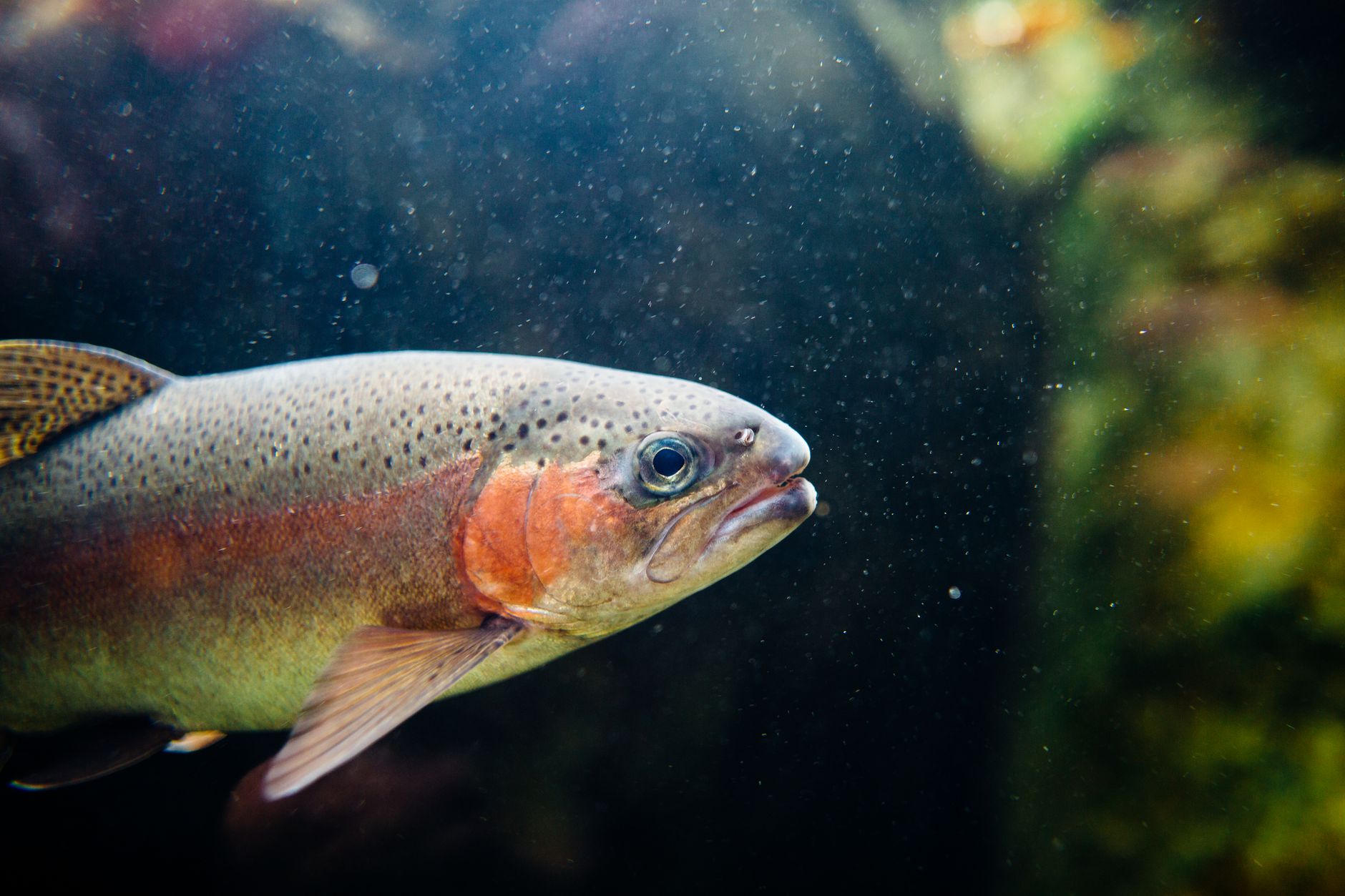

Utilizing lighter tackle can create an exhilarating fishing experience, yet it may not always benefit the trout, according to experts. A quick fight on 4X tippet is more favorable to the fish than a prolonged struggle on 6X. Another angler explained, "We like to hear the reel scream, but maybe cranking down on the drag and learning to steer fish to a reasonable landing zone quickly isn’t a bad idea.”
The choice of net remains another critical consideration for catch-and-release anglers. While nets can be essential for landing fish quickly, improper handling can deplete the protective slime on a trout's scales. "Having said what I just did about landing fish sooner, I see the value of a good net in many cases," noted an experienced fisherman. Rubberized mesh nets, as opposed to uncoated materials, pose less risk, allowing anglers to land fish quickly and with minimal harm.
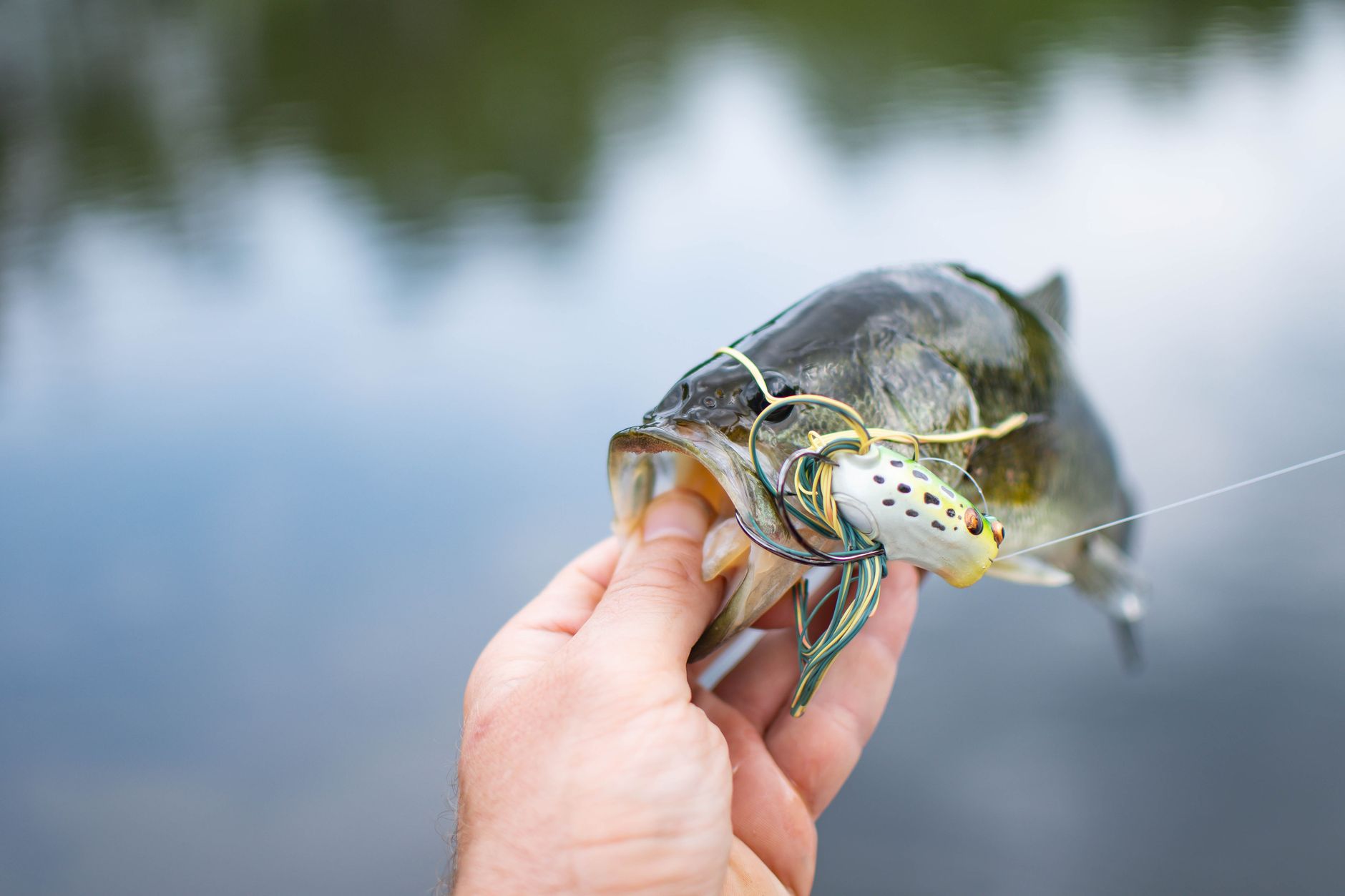
"Having said what I just did about landing fish sooner, I see the value of a good net in many cases,"
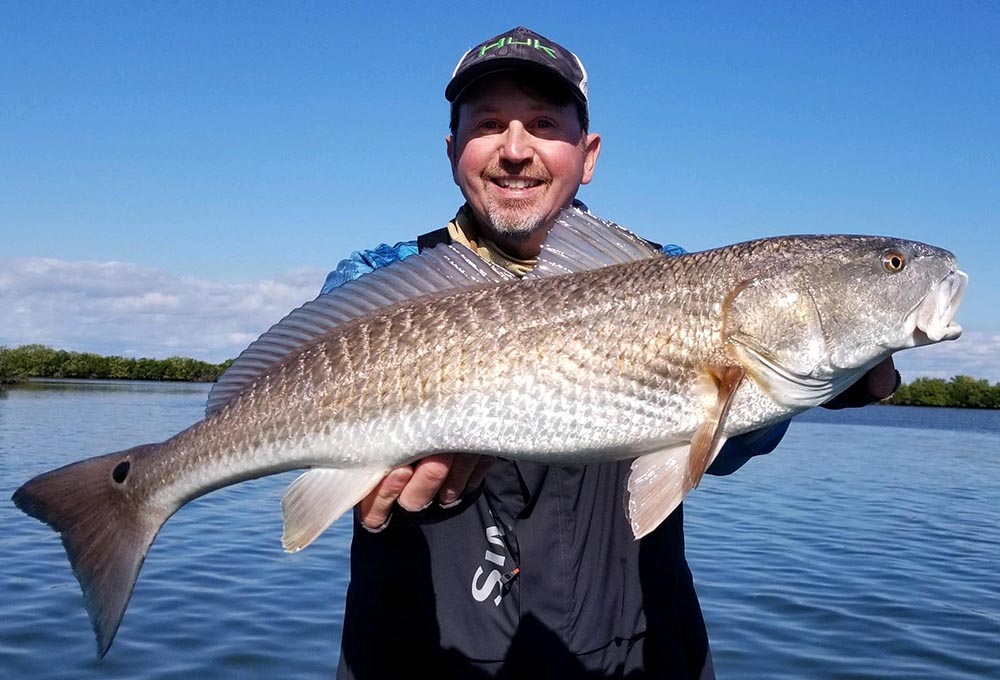
Air exposure is another significant factor determining the survival rate of released trout. Research conducted by R.A. Ferguson and B.L. Tufts reveals that the time a fish spends out of water dramatically affects its chances of survival. "Fish that were exercised but released without being held out of the water had a survival rate of 88 percent," said Ferguson. In contrast, a mere 30 seconds of exposure to air saw that rate plummet to 62 percent. After one full minute, the survival rate drops to a concerning 28 percent. This highlights the importance of minimizing air time for any catch-and-release angler.
"Fish that were exercised but released without being held out of the water had a survival rate of 88 percent,"
Career Journey
Looking Ahead
Looking Ahead
Looking Ahead
The intent behind catch-and-release fishing is often to preserve fish populations for future enjoyment, yet it can be counterproductive if not executed thoughtfully. "I think the practice—done right—can ensure that the trout fishing is optimized, and great fish can be shared by many anglers," stated another fishing advocate. They emphasized that the quality of the experience matters more than the quantity of fish caught.
"I think the practice—done right—can ensure that the trout fishing is optimized, and great fish can be shared by many anglers,"
By the Numbers
Rather than focusing solely on numbers, anglers are encouraged to consider the true impact of their practices. "Maybe catching 10 trout on dry flies is better than pounding 50 fish in a day by running a synthetic worm and egg with a nymph rig beneath a strike indicator," one angler suggested. As the fishing community continues to weigh the merits of their methods, the question shifts from 'how many did you catch?' to 'how many did you really let survive?'
"Maybe catching 10 trout on dry flies is better than pounding 50 fish in a day by running a synthetic worm and egg with a nymph rig beneath a strike indicator,"
Impact and Legacy
This thoughtful approach to catch-and-release practices reflects a growing awareness of anglers' responsibilities toward maintaining healthy trout populations. By prioritizing the well-being of the fish and considering practices that support survival, anglers can lead to more sustainable fishing outcomes for years to come. In an era where ecological awareness is paramount, both catch-and-release and catch-and-keep anglers must remain vigilant and educated on their impacts to ensure the resilience of trout populations.
In conclusion, the survival of trout post-catch is influenced by several key factors including fight duration, net choice, and air exposure time. Being mindful of these elements not only benefits the trout but also enhances the overall fishing experience. With thoughtful strategies, anglers can contribute positively to the future of trout fishing and ensure that the waters remain plentiful for generations ahead.