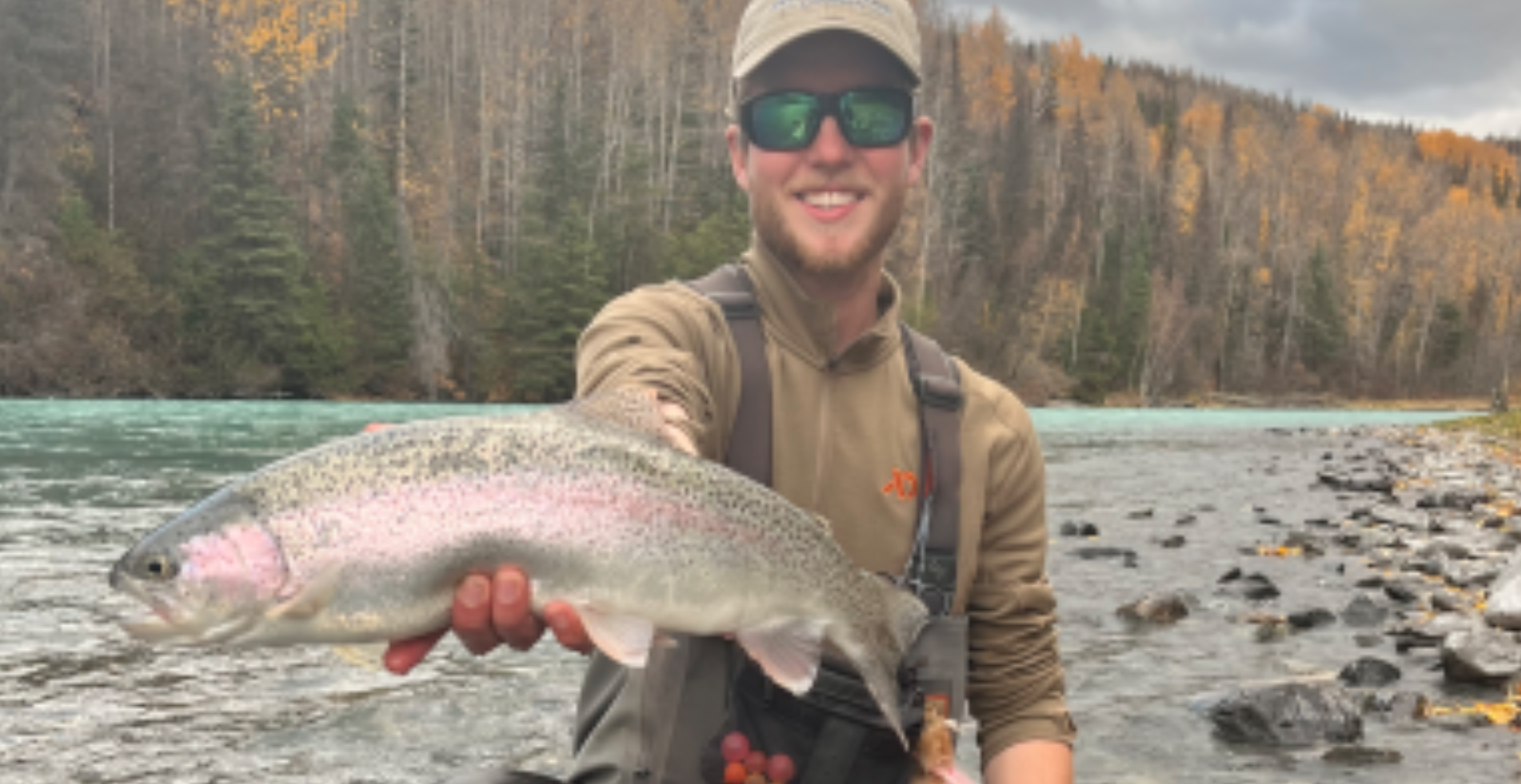
When it comes to angling for big trout, understanding the environment and behavior of these fish is crucial. Defining what constitutes a 'big trout' is the first step, as this can vary greatly based on factors such as food availability in streams and rivers.
"The size of a fish depends on the food source available in the river," said Marc Titre, an expert on fly fishing in Wyoming. Smaller streams typically have fewer food resources, leading to smaller fish, whereas larger rivers can produce impressive sizes. The dynamics of a river, such as those seen in the Snake River, also play a significant role in fish size.
"The size of a fish depends on the food source available in the river,"
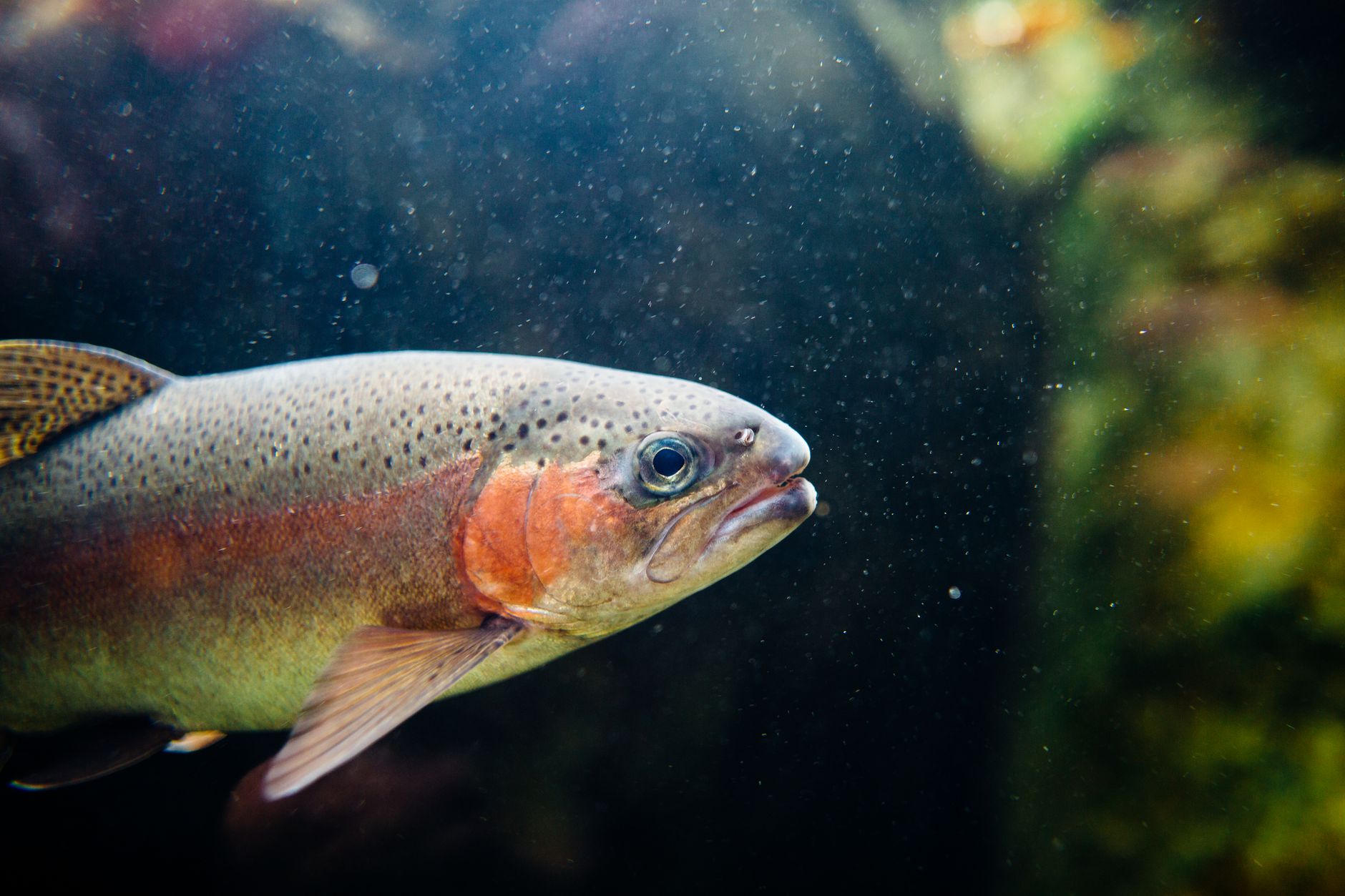
The Snake River is known for its unique seasonal changes, where large gravel islands shift due to snowmelt, affecting local bug life. As Titre noted, "Large trout on the Snake River are 18-20 inches in length.” In contrast, the South Fork of the Snake River in Idaho offers a steadier ecosystem, which can support bigger Brown and Cutthroat trout, reaching sizes of 28 inches and 32 inches, respectively.

With an understanding of what you might catch, here are essential tips for those looking to hook into larger trout.
Choosing the right fishing location is vital. "Wyoming has many great rivers and streams for fly fishing, including the Snake River, the North Platte River, and the Green River," Titre emphasized. Each offers opportunities for encountering sizable trout, so selecting the best spots is key.
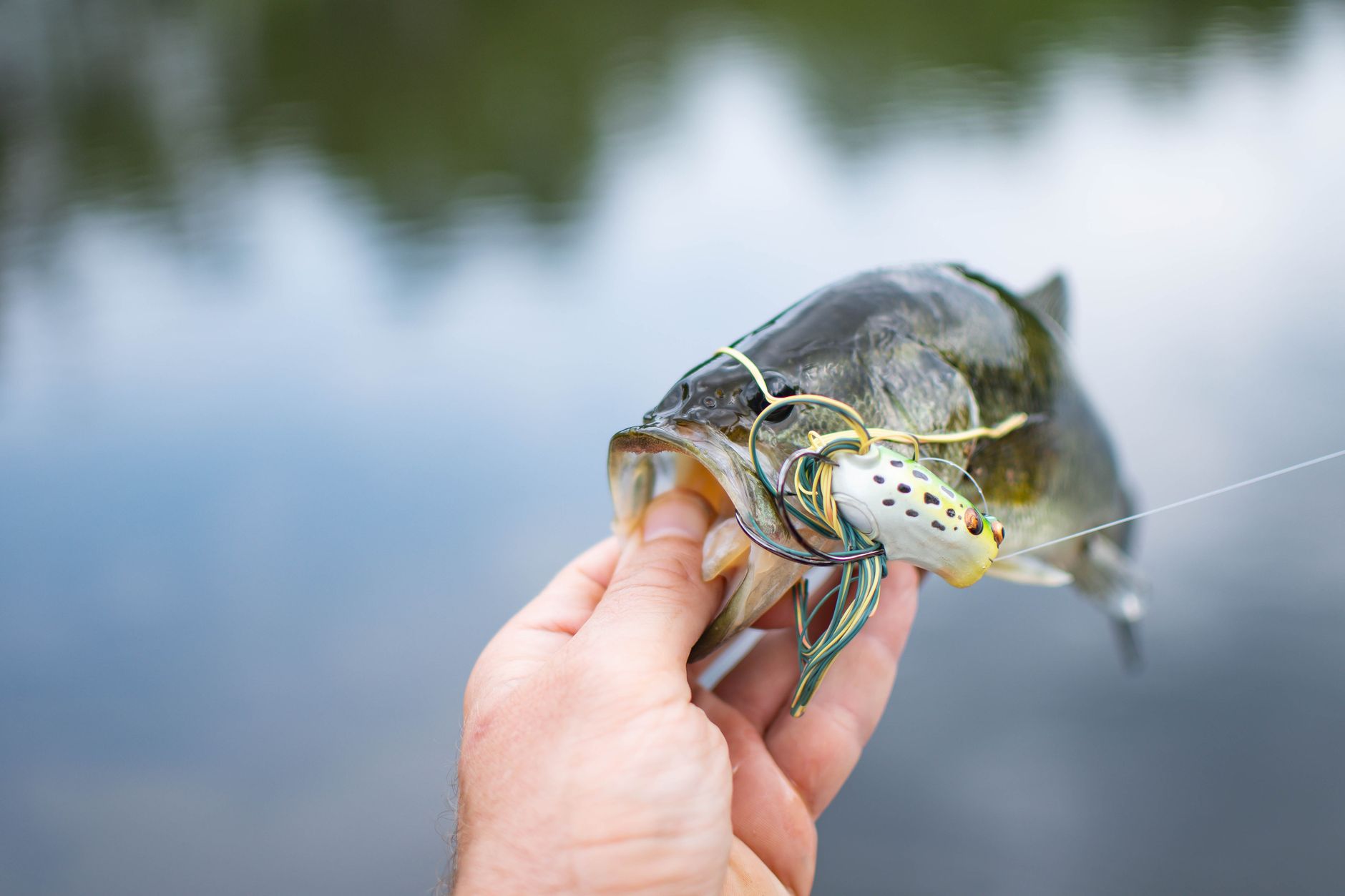
"Wyoming has many great rivers and streams for fly fishing, including the Snake River, the North Platte River, and the Green River,"
Equipping yourself with the right flies is equally important. Big trout can be finicky eaters that often prefer specific hatch patterns. "Research the hatch patterns in the area you’ll be fishing and choose a fly that matches those bugs," advised Titre. If uncertain about local bug activity, using streamers or jighead nymphs like the Perdigon can prove effective.
"Research the hatch patterns in the area you’ll be fishing and choose a fly that matches those bugs,"
Career Journey
Timing your fishing trip can also enhance success rates. "Big trout are more active during certain times of the day," Titre explained. Early mornings and late evenings typically yield better results. Notably, on the Snake River, fishing can also be fruitful during mid-day when water temperatures rise, prompting a diverse range of mayflies to hatch.
"Big trout are more active during certain times of the day,"
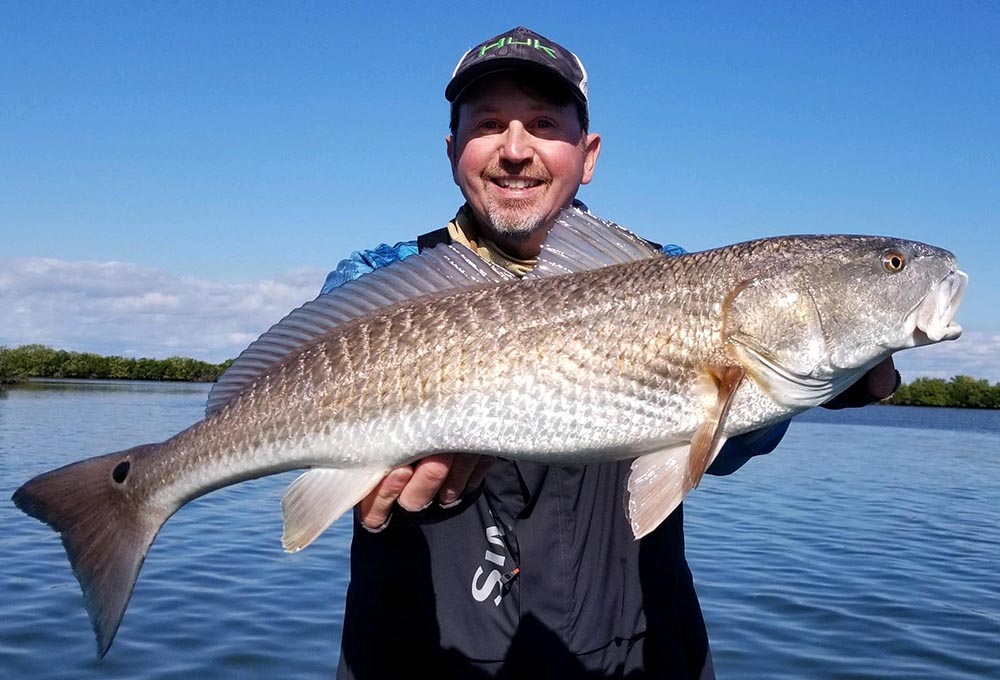
Equipping yourself doesn’t mean you need to break the bank. "You don’t necessarily need the most expensive gear unless you are using small tippets," he noted. A good reel is beneficial for maintaining line integrity when a large trout makes a sudden run, particularly when using lighter monofilament lines.
"You don’t necessarily need the most expensive gear unless you are using small tippets,"
"Big trout tend to be in difficult spots to cast," observed Titre. Therefore, reading the river is crucial. Look for features like overhanging vegetation or undercut banks. "A bigger dry fly, like a Water Walker, will bring a big fish off of the bottom," he added. However, anglers should be mindful of their approach, as large trout can be easily spooked.
"Big trout tend to be in difficult spots to cast,"
Equally important is the practice of catch and release. Titre highlights, "It’s important to preserve the population of trout, so catch and release is recommended.” He advocates using nets and handling fish with care to minimize harm. When releasing, face the fish upstream in a current to help it revive adequately.
As the fishing season progresses, it's crucial to remain aware of water temperatures, as temperatures above 65 degrees can be detrimental to trout health.
Career Journey
In summary, while aiming for big trout is exciting, Titre emphasizes, "Most anglers will tell you that it is not always about the fish caught but more about spending time outside." Ultimately, the thrill of finding that big catch enhances the experience, but enjoying the habitat and the journey is just as rewarding. For questions or tips on fishing in Jackson Hole, don’t hesitate to reach out.