Rainbow trout are celebrated as one of the most approachable freshwater gamefish, appealing to enthusiasts worldwide. Their vibrant appearance and spirited nature make them a favorite among both fly and conventional anglers. "Whether young or old, experienced or a beginner, rainbow trout have something to offer every type of angler," said Max Inchausti, an expert on this species.
"Whether young or old, experienced or a beginner, rainbow trout have something to offer every type of angler,"
Native to the western regions of North America, rainbow trout have expanded their popularity globally due to extensive stocking programs. From the expansive waters of Alaska to the coastal rivers of the Pacific Northwest, these fish are as diverse as the habitats they occupy. This guide unpacks essential aspects of targeting rainbow trout, providing insights into their biology, preferred environments, and practical fishing strategies.
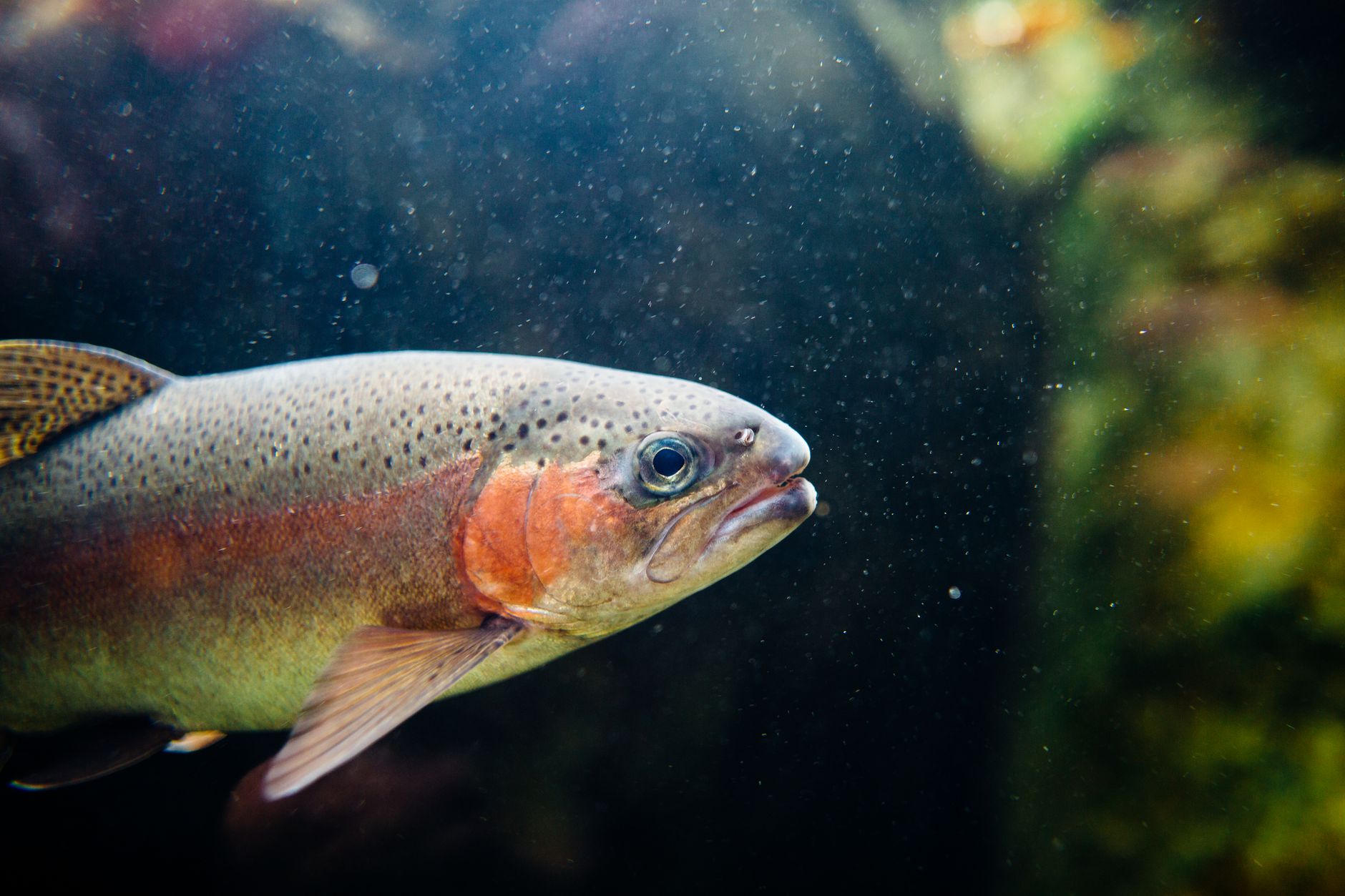

Rainbow trout, part of the larger salmonid family, boast a distinctive physical appearance that aids in their identification. They typically feature dark green backs, light underbellies, and a series of dark spots, along with a notable red or pink stripe marking their sides. "Depending on location, rainbows range in size, with average fish between 10 and 16 inches. Larger fish can grow upwards of 20 to 25 inches, with true giants reaching 30 inches," Inchausti noted.
The adaptability of rainbow trout is remarkable; they thrive in cold water conditions, with temperatures above 70 degrees Fahrenheit being detrimental to their survival. Their diet primarily consists of invertebrates, small fish, and, occasionally, rodent prey. Some rainbow trout venture into estuarine or marine environments, known as steelhead, where they grow larger before returning to rivers to spawn. This cyclical behavior adds an exciting challenge for anglers eager to catch these beautiful fish.
Historically, rainbow trout populations inhabit waters from southern California to Alaska. Although native to the North American West Coast, their remarkable adaptability has facilitated their spread across continents, making them one of the most widely available trout species today. "Rainbows, like other trout, require cold and clean water. Their habitats include rivers, streams, and lakes, but warm summer temperatures pose a big risk to fish survival," Inchausti explained. Coastal regions, like the Pacific Northwest, host populations that migrate between freshwater and saltwater, offering a different fishing experience altogether.
Career Journey
When it comes to fishing for rainbow trout, understanding their habitat is essential. Anglers familiar with trout fishing will likely encounter rainbows in various environments. "Their impressive colors, powerful fights, and tendency to jump make them an all-around gamefish," Inchausti asserted. Utilizing both conventional and fly tackle approaches can effectively increase one’s chances of a successful catch.
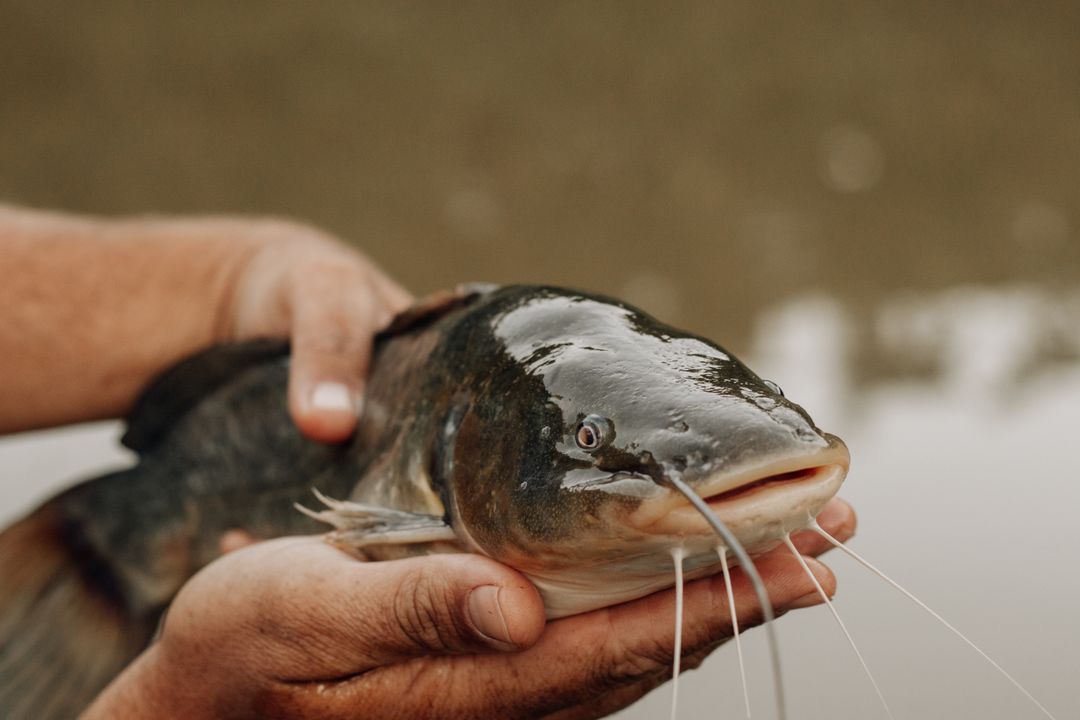
"Their impressive colors, powerful fights, and tendency to jump make them an all-around gamefish,"
Race Results
Race Results
Race Results
In rivers and streams, utilizing precise casting techniques can be the key to successfully catching rainbow trout. The interplay of water currents and the strategic placement of bait are central to enticing these fish. According to Inchausti, "Fishing techniques varies based on habitat type. In flowing waters, you might want to use spinners or small spoons, while in lakes, a more stationary approach such as still fishing or using a float rig can yield better results."
Career Journey
With lakes as another popular habitat, anglers should consider the time of day and weather conditions. Early mornings and late evenings are often prime times when rainbows are more active. Inchausti recommends, "Troll small lures or use flies to catch their attention. Adjust your depth as necessary to target the fish effectively."
As for coastal environments, anglers looking to catch steelhead must prepare for a different set of skills and equipment. "These fish are larger and often require heavier tackle. Baitfish imitations are effective in attracting these powerful trout during their migratory paths," said Inchausti.
For beginners, the most exciting part of trout fishing is the connection to nature and the joy in learning. The science behind finding rainbow trout is as intriguing as the sport itself. Having patience and understanding the nuances of their behavior can lead to memorable fishing experiences.
Career Journey
As the popularity of rainbow trout fishing persists, novice anglers are encouraged to explore various habitats and techniques, continuously adapting as they grow in their fishing journey. Through time spent on the water, fishermen can cultivate their skills while contributing to sustaining this beloved species. With such engaging characteristics, rainbow trout offer something for everyone, making them a unique target for anglers across the globe.