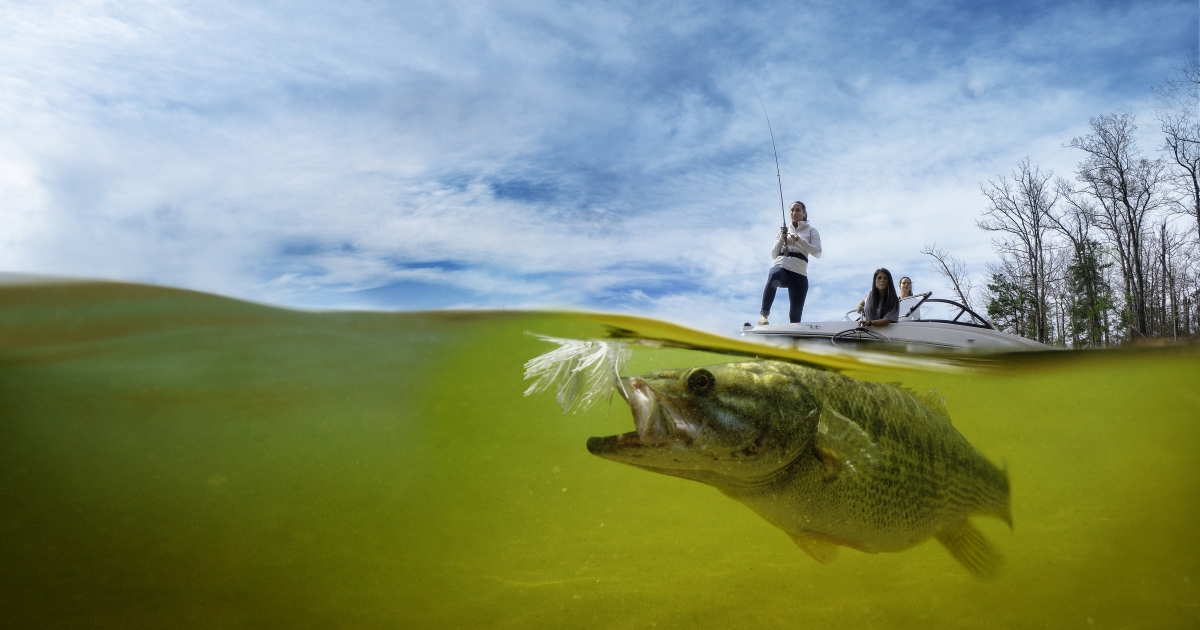
As the sun breaks over the horizon, many families and friends head outdoors to bond over one of nature's timeless activities: fishing. While the thought of fishing might seem daunting for first-timers, a simple understanding of the basics can turn a potentially overwhelming experience into a delightful one. "Fishing can be a great way to spend time outside with family and friends," said a representative from the U.S. Fish & Wildlife Service. This guide aims to provide you with the necessary tools to get started in responsible fishing.
"Fishing can be a great way to spend time outside with family and friends,"
Before you cast your first line, you need to gather some essential equipment. The following checklist outlines what you might need for your freshwater fishing adventure:
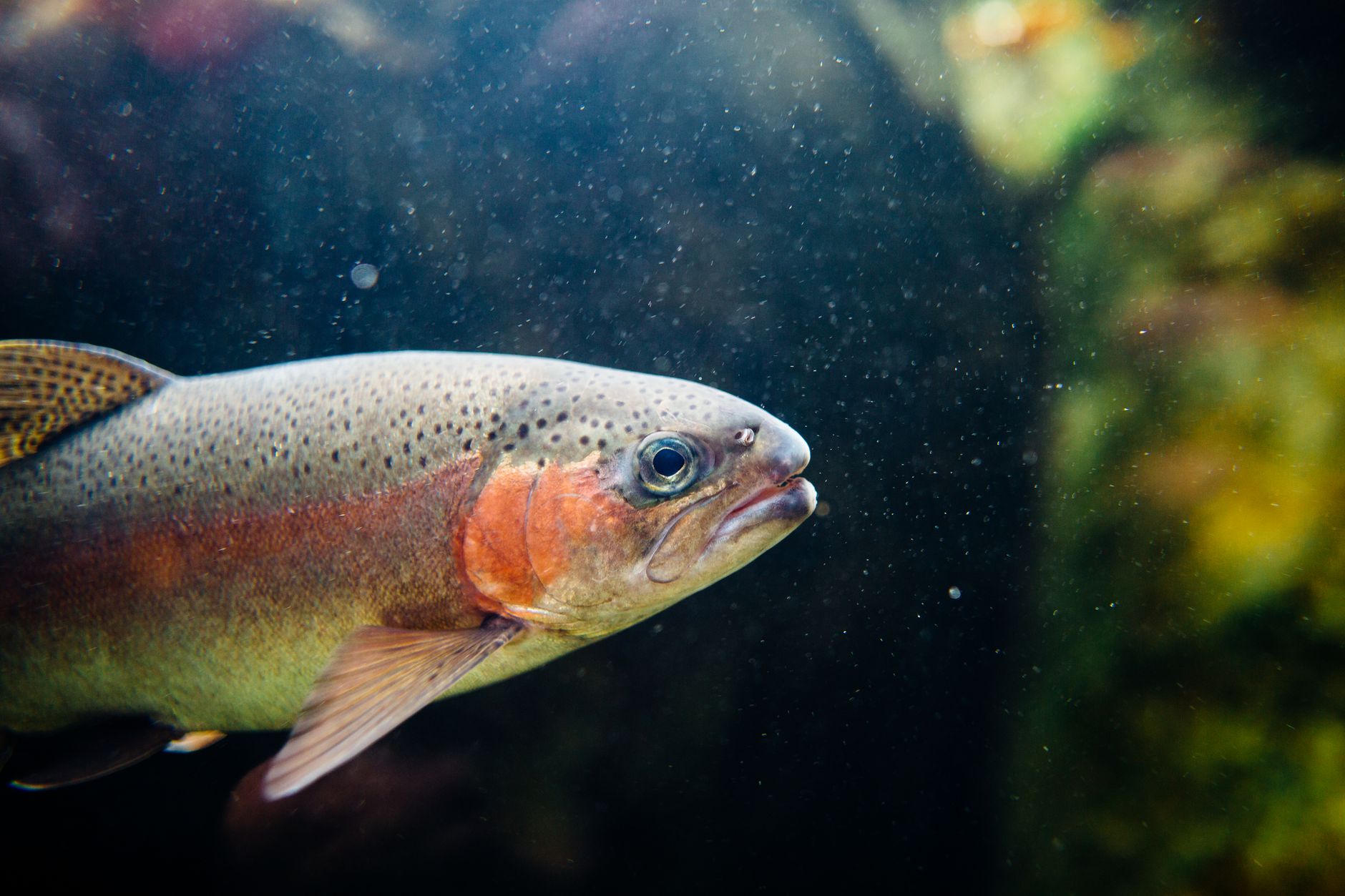
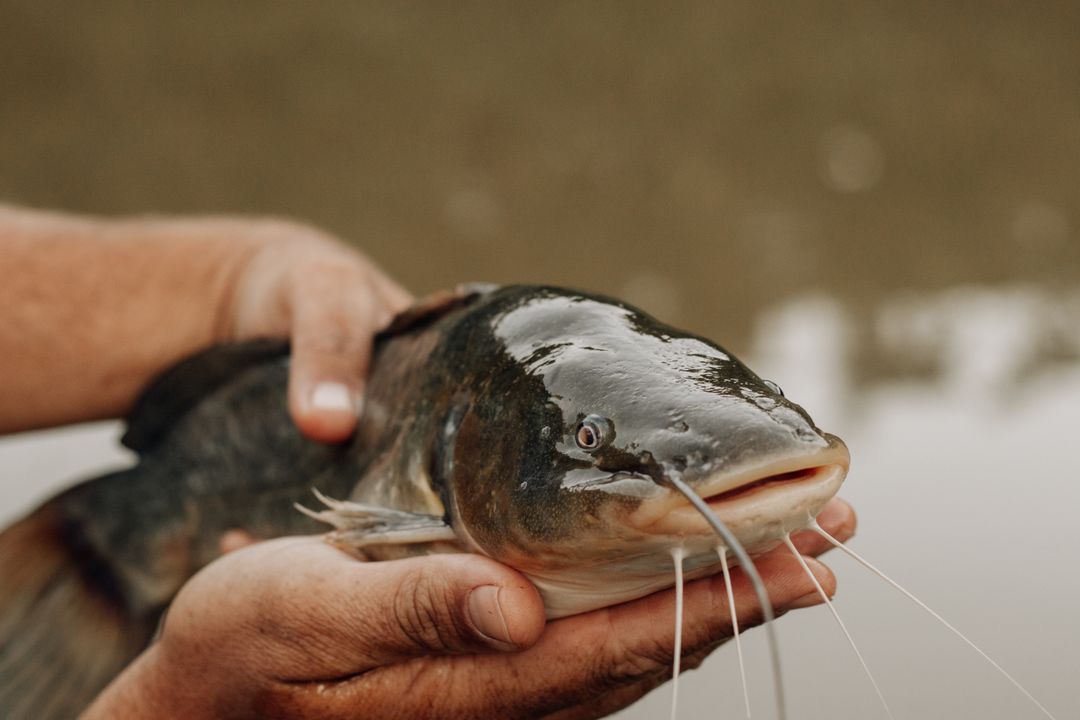
- A state fishing license, depending on your age - A fishing rod and reel - 4- to 12-pound-test monofilament fishing line - A package of fishing weights - Fishhooks (Size 6–10) - A plastic or cork bobber - A selection of live bait or fishing lures, keeping in mind that some areas may have restrictions on bait types - Rubber fishing net and rubber glove

All of these items can be found at fishing tackle stores or sporting goods shops. While you’re there, it’s also advisable to grab a copy of state fishing regulations to familiarize yourself with specifics like the types of fish available to catch, along with any minimum size limits or daily quantity restrictions. "Some libraries, state agencies, and national wildlife refuges even offer tackle loaner programs for families and beginning anglers," said a local fishing expert, encouraging newcomers to explore local options.
"Some libraries, state agencies, and national wildlife refuges even offer tackle loaner programs for families and beginning anglers,"
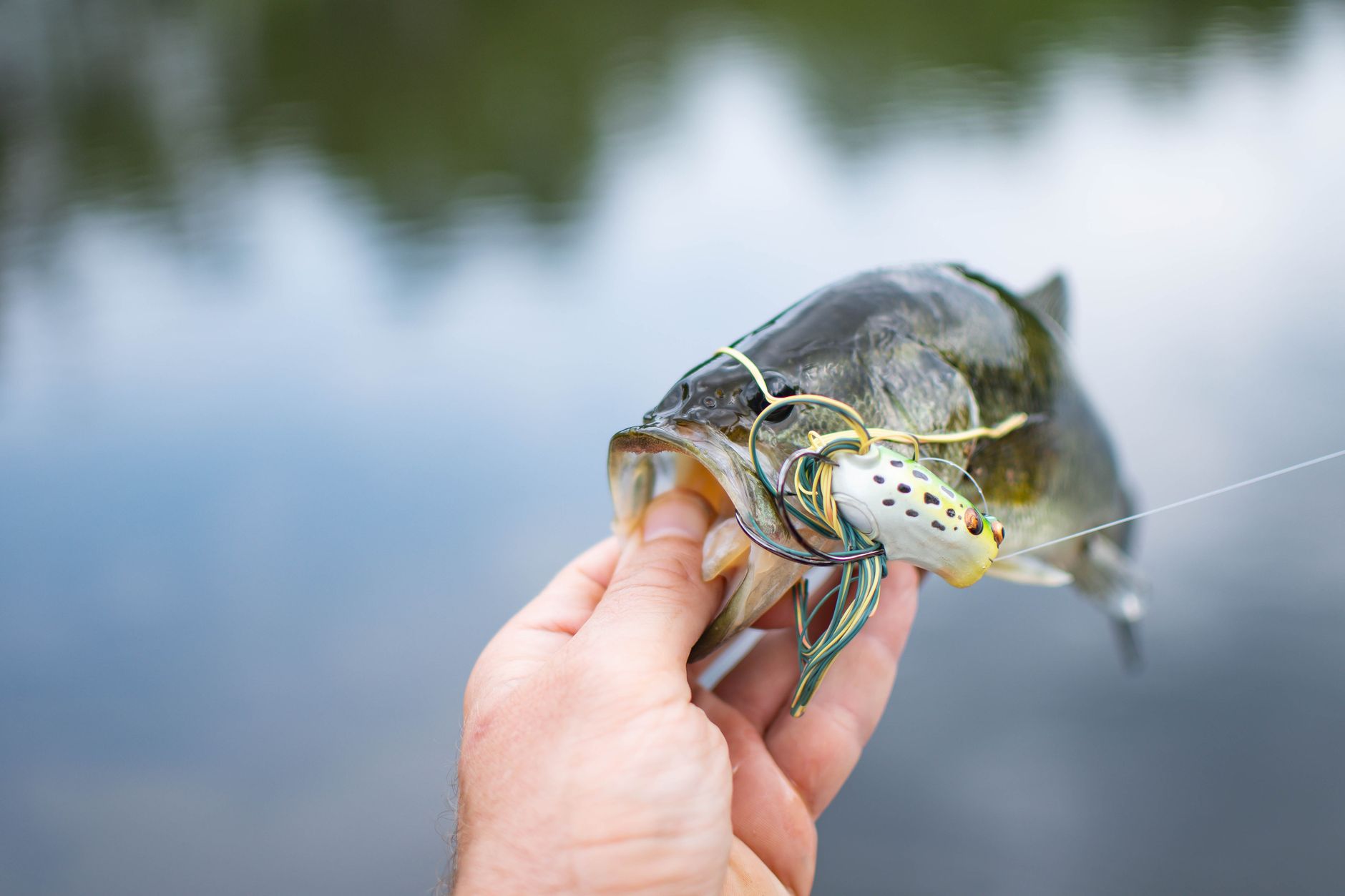
When it comes to choosing your fishing rod, it is important to select one that feels comfortable in your hand. “Many outdoor retailers sell kits that include everything you need,” a store manager noted. Two common rod types for beginners are the closed spin casting reel and the open-bail spinning reel.
Closed spin-casting reels are characterized by a rod with a pistol-like grip, and the line is released with a simple push button. This setup is the easiest for novices. In contrast, open-bail spinning reels utilize a straight-handle rod, releasing line with your index finger. Each has its advantages, and your choice may depend on personal preference.
With your rod selected, it’s time to prepare your tackle. To set up your hook, line, and sinker, follow these simple steps:
1. Begin by tying on a fishhook; using a beginner-friendly knot can make this process easier. 2. Next, attach one or two sinkers about six to twelve inches above the hook. This weight will help position your bait or lure at the desired depth. 3. A bobber is crucial for indicating when fish are nibbling; it moves in response to their activity. Most bobbers can be easily adjusted on the line.
One popular knot to learn is the Improved Clinch Knot, valued for its strength and reliability. "To tie it, pass the line through the hook eye, making five turns around the standing line," explained an experienced fisherman. "Then insert the loose end through the first loop formed and bring it through the second large loop you created. Remember to wet the line before tightening the knot."
"To tie it, pass the line through the hook eye, making five turns around the standing line,"
Now that you're equipped with the essential tackle, the next step is practicing your cast. Find a safe, open area where you can practice casting without a hook initially. This will build your confidence and mastery of the movement before your first trip to the water.
Career Journey
As first-time anglers prepare for an exciting day on the water, remember that patience and practice are key. Fishing is not just about catching fish; it's an opportunity to connect with nature and create lasting memories. As you embark on this journey, know that local support, regulations, and resources are readily available to guide you. Embrace the experience, and soon, you'll be a part of the thriving community of anglers that cherish this timeless pastime.