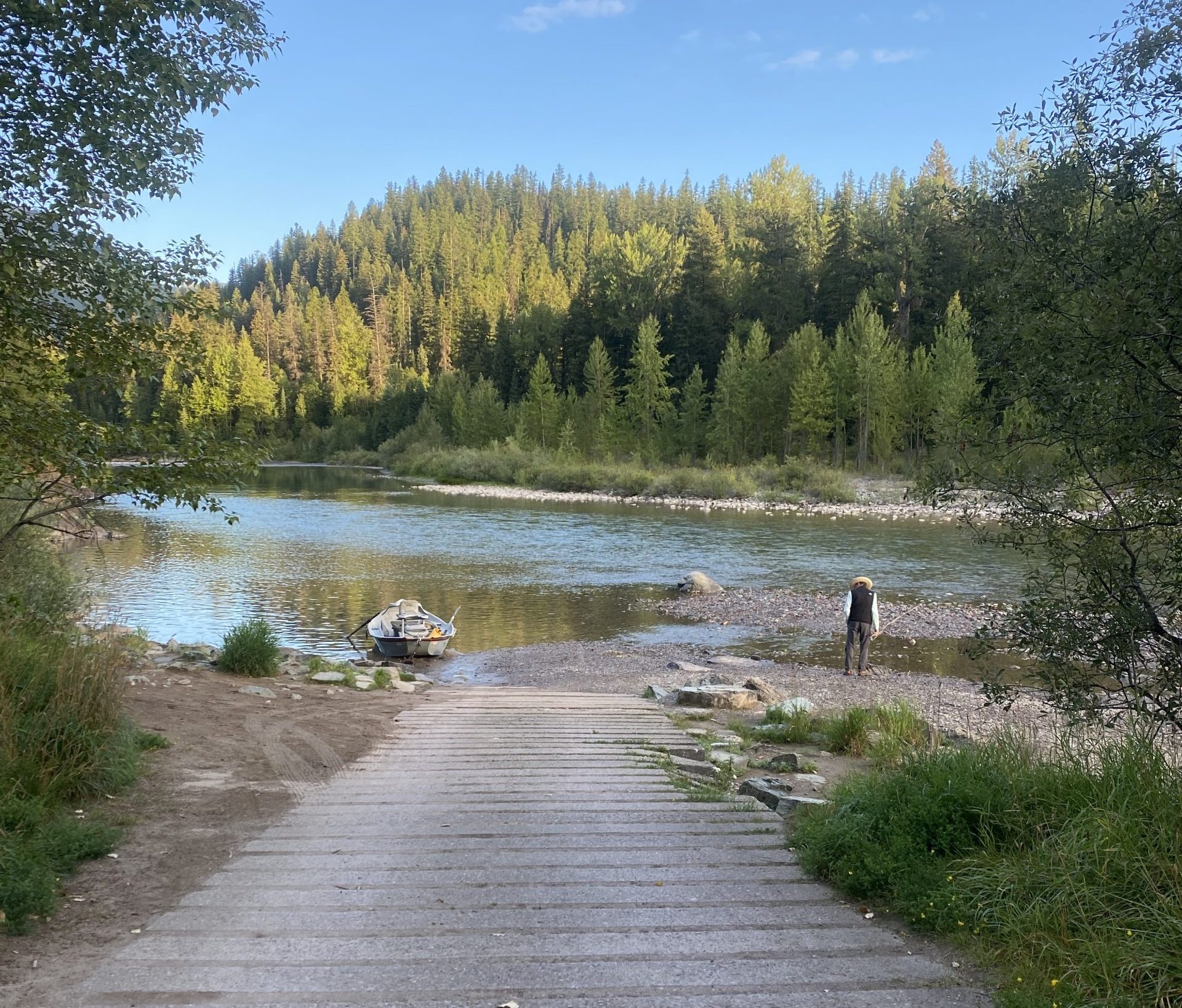
For anglers planning to fish the scenic Flathead River, securing reliable access is paramount. Understanding where to launch or wade into the water can significantly influence the fishing experience. With the river comprising three distinct forks and a bustling main stem, knowing the best entry points makes the difference between a successful outing and a challenging one. This article outlines essential access points, offers tips for maximizing an access map, and provides practical guidance for navigating the river's diverse fishing locales.
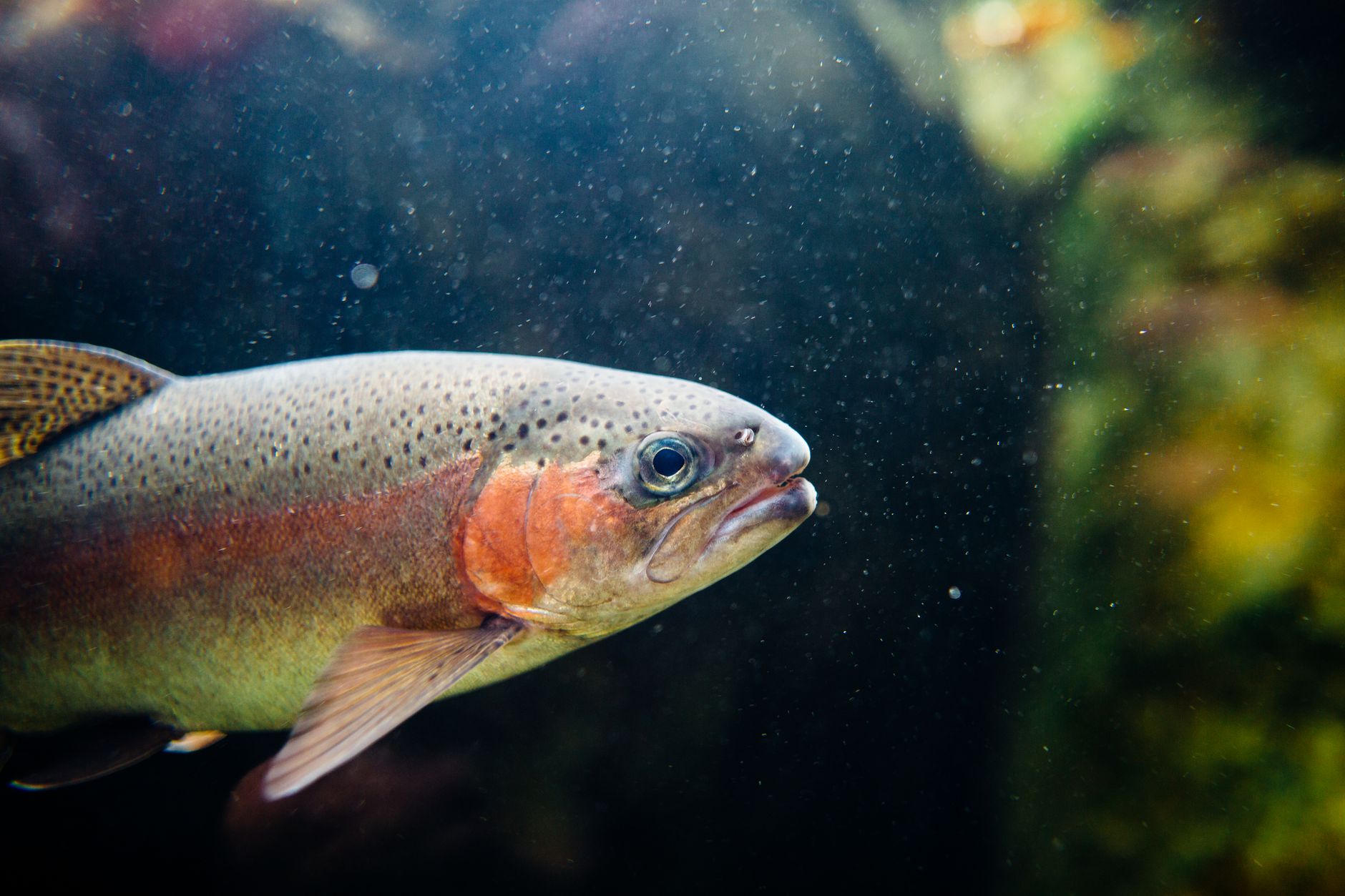
The Flathead River system is a jewel of Montana’s wilderness, particularly for those eager to experience clear waters and an abundance of wild trout against a breathtaking backdrop. Stretching near Glacier National Park, the river system includes the North, Middle, and South Forks, each contributing its unique ambiance and fishing opportunities. As these forks converge near Hungry Horse, they create a main stem that captivates float fishermen. “This is a place where you can catch native Westslope Cutthroat Trout that readily rise to dry flies,” said a local fishing guide, emphasizing the allure of the Flathead for enthusiasts.
Comprehending the layout of the Flathead River is vital for both novice and seasoned anglers. The river’s vast expanse and varied terrain present unique challenges. “An accurate access map is critical for fishing success,” expressed a veteran angler in the area. It serves multiple purposes, such as revealing the proximity of remote sections to nearby services, highlighting areas suitable for wading, and pinpointing established boat ramps. Additionally, it aids in planning around fluctuating water levels and seasonal changes, ultimately ensuring a well-organized day on the water.

Championship Implications
Championship Implications
Championship Implications
When it comes to the North Fork of the Flathead, this branch flows from British Columbia, providing a rugged experience. The access is primarily through gravel roads, slightly hampered by weather conditions and the terrain. “The clarity of the water here is something anglers treasure,” noted a region enthusiast. Many relished the challenge and beauty of this wild section, which offers significant trout populations. However, navigating access points can be difficult because some areas are accessible only after a bit of a trek. “It’s crucial to have a map that identifies reliable pullouts and stretches better suited for floating rather than wading,” he advised.
In contrast, the Middle Fork boasts dramatic landscapes that allure many adventure seekers. Running alongside Highway 2, the swift currents can give an impression of remoteness due to the steep canyon walls. “While the technical whitewater can be daunting, it also means great fishing in calmer areas,” shared a local river expert. Understanding this fork’s terrain through an access map allows anglers to locate safer zones for wading or bank fishing while also identifying necessary boat launch facilities. Since conditions can change rapidly during spring runoff, knowing exactly where to access these calmer regions is invaluable.
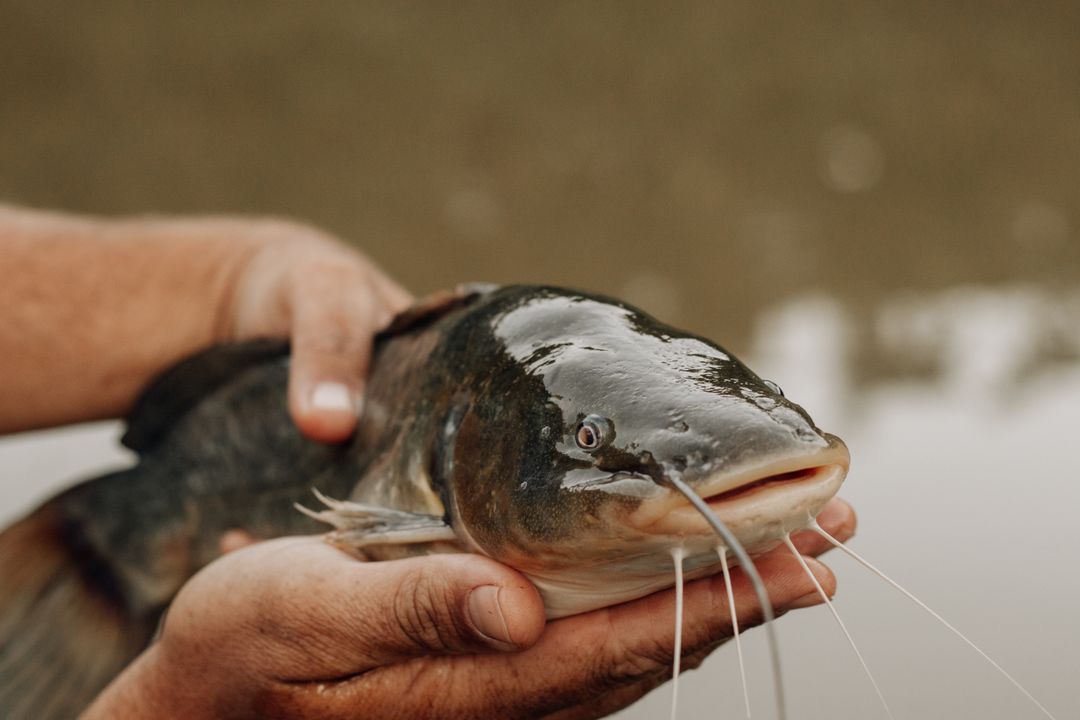
Lastly, the South Fork of the Flathead is often regarded as among Montana’s most untouched waterways. Originating in the remote Bob Marshall Wilderness, this section presents both mellow stretches and more challenging gorge zones. “Identifying which segments are wadable versus floatable can make or break your trip here,” an experienced guide cautioned. Knowledge of the upper and lower stretches is vital, especially since the South Fork possesses limited amenities. Careful planning paired with an effective access map ensures a productive and enjoyable outing for those who venture here.
Championship Implications
Championship Implications
For any angler visiting the Flathead River, having a comprehensive understanding of access points, combined with the right tools and preparation, is essential. From navigating technical sections to discovering hidden fishing gems, proper knowledge equips individuals for what can be an incredibly rewarding experience on the water. As the Flathead River continues to charm fishing aficionados seeking a piece of Montana's wild landscape, those who are prepared will find themselves well-rewarded.