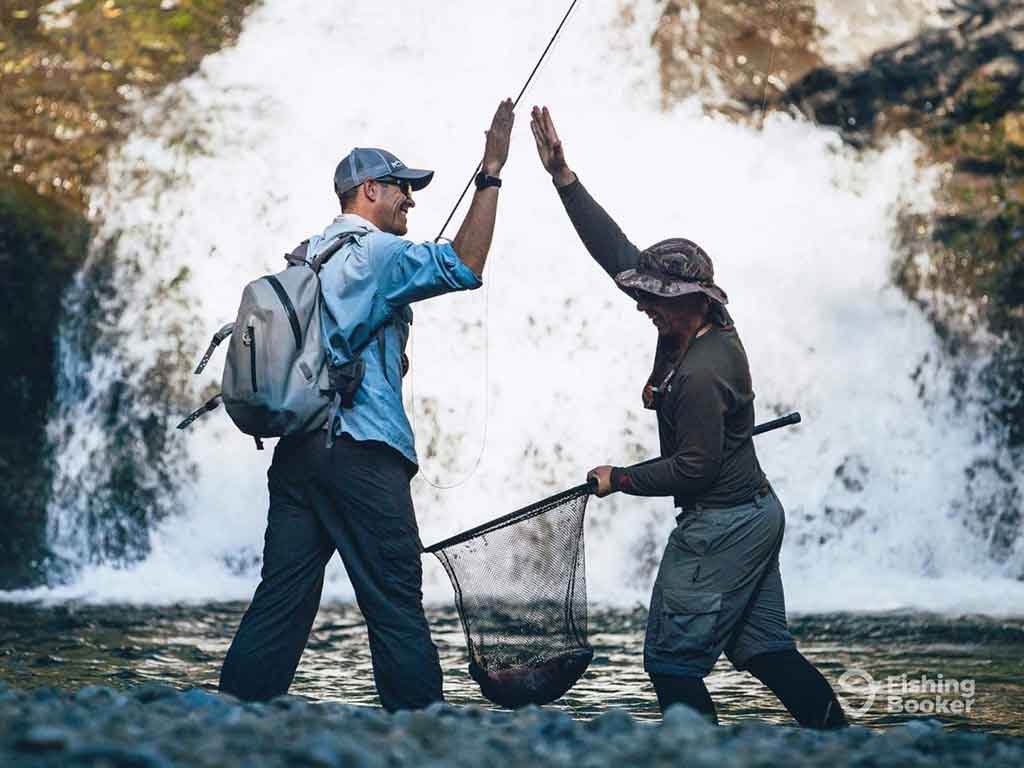
Trout fishing continues to captivate anglers across the globe, offering a diverse array of species and challenges that keep the sport fresh and exciting. From the pristine streams of North America to the remote waters of Patagonia and New Zealand, these resilient fish have established themselves as one of the most sought-after targets in recreational fishing.
"No matter what Trout species you target, they're fun, hard-fighting, and good-eating," noted one enthusiast, capturing the essence of what makes trout fishing so appealing to millions of anglers worldwide.
"No matter what Trout species you target, they're fun, hard-fighting, and good-eating,"
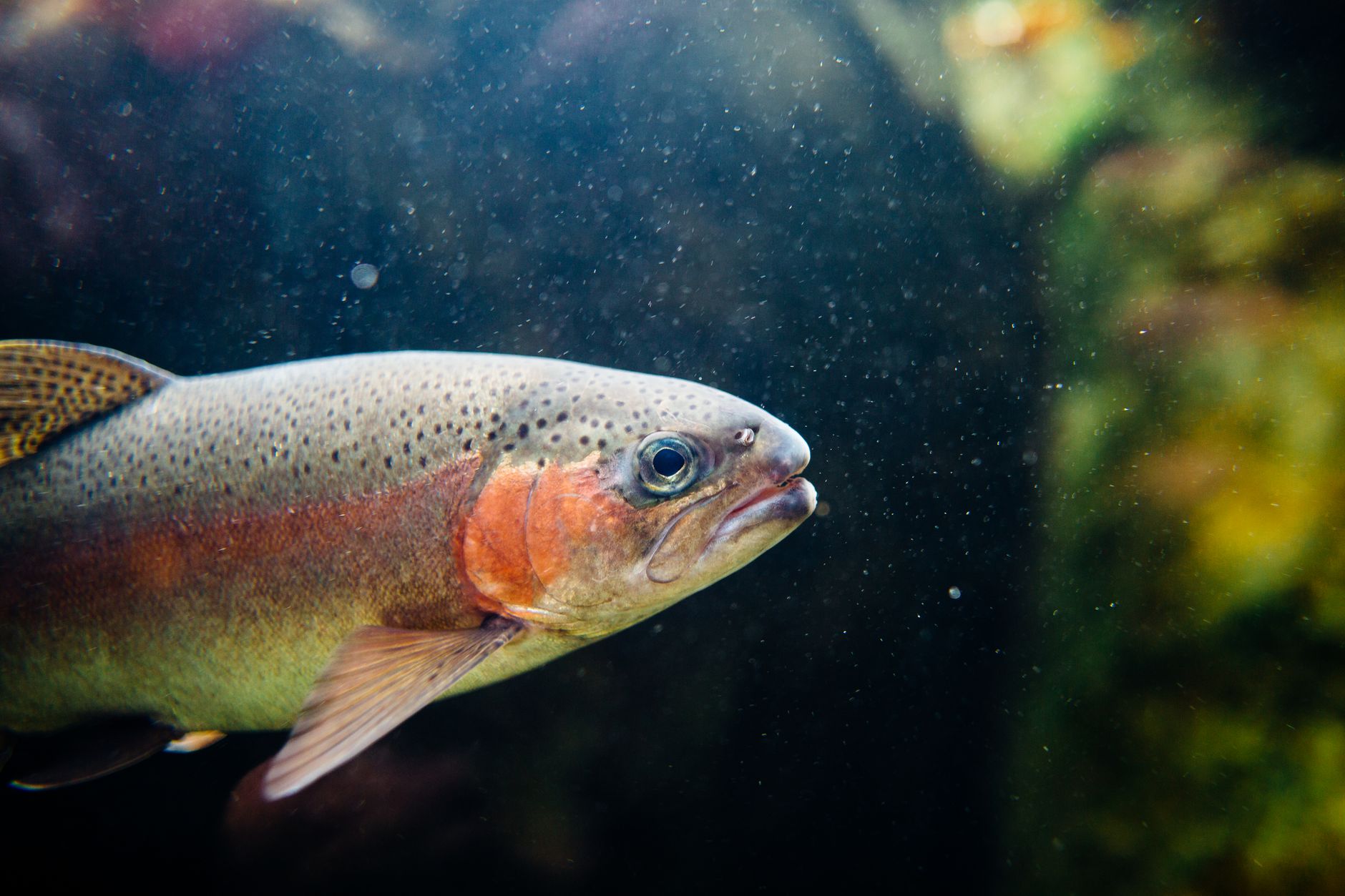
The global distribution of trout species presents both opportunities and complexities for fishing enthusiasts. While these fish originated primarily in North America and Europe, they have been successfully introduced to ecosystems across South America, New Zealand, and other regions, creating new fishing destinations and challenges.

According to fishing expert Zach Lazzari, understanding local conditions is crucial for success. "The available food sources and environments are major behavioral drivers for Trout," Lazzari explained, emphasizing that anglers must adapt their strategies based on regional conditions and trout habits.
"The available food sources and environments are major behavioral drivers for Trout,"
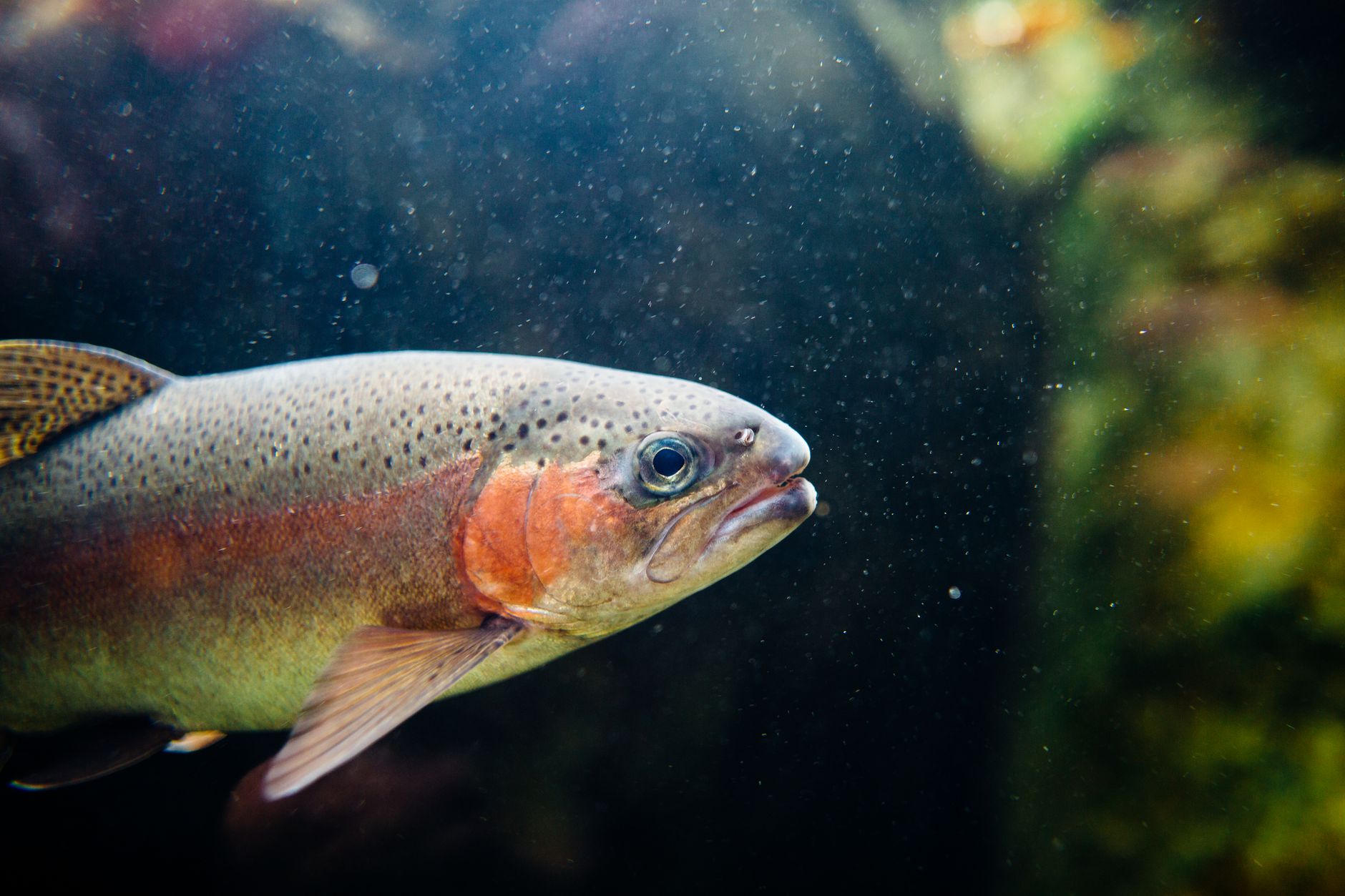
The variety of trout species adds layers of complexity that both challenge and excite anglers. Hybrid species, which occur naturally where different trout populations overlap, present particularly interesting scenarios for fishermen. "Tiger Trout are a cross between Brown and Brook Trout, while Cutbows are a cross between Rainbow and Cutthroat Trout," Lazzari said. These hybrids often exhibit unpredictable behaviors that can test even the most experienced anglers.
"Tiger Trout are a cross between Brown and Brook Trout, while Cutbows are a cross between Rainbow and Cutthroat Trout,"
Brook Trout represent one of the most adaptable species in the trout family. Originally native to the eastern United States, they have successfully colonized western regions and demonstrate remarkable resilience. Lazzari highlights their unique reproductive capability: "They are the only Trout capable of reproducing without a stream inflow or outflow." This adaptation allows Brook Trout to thrive in isolated environments where other species might struggle.
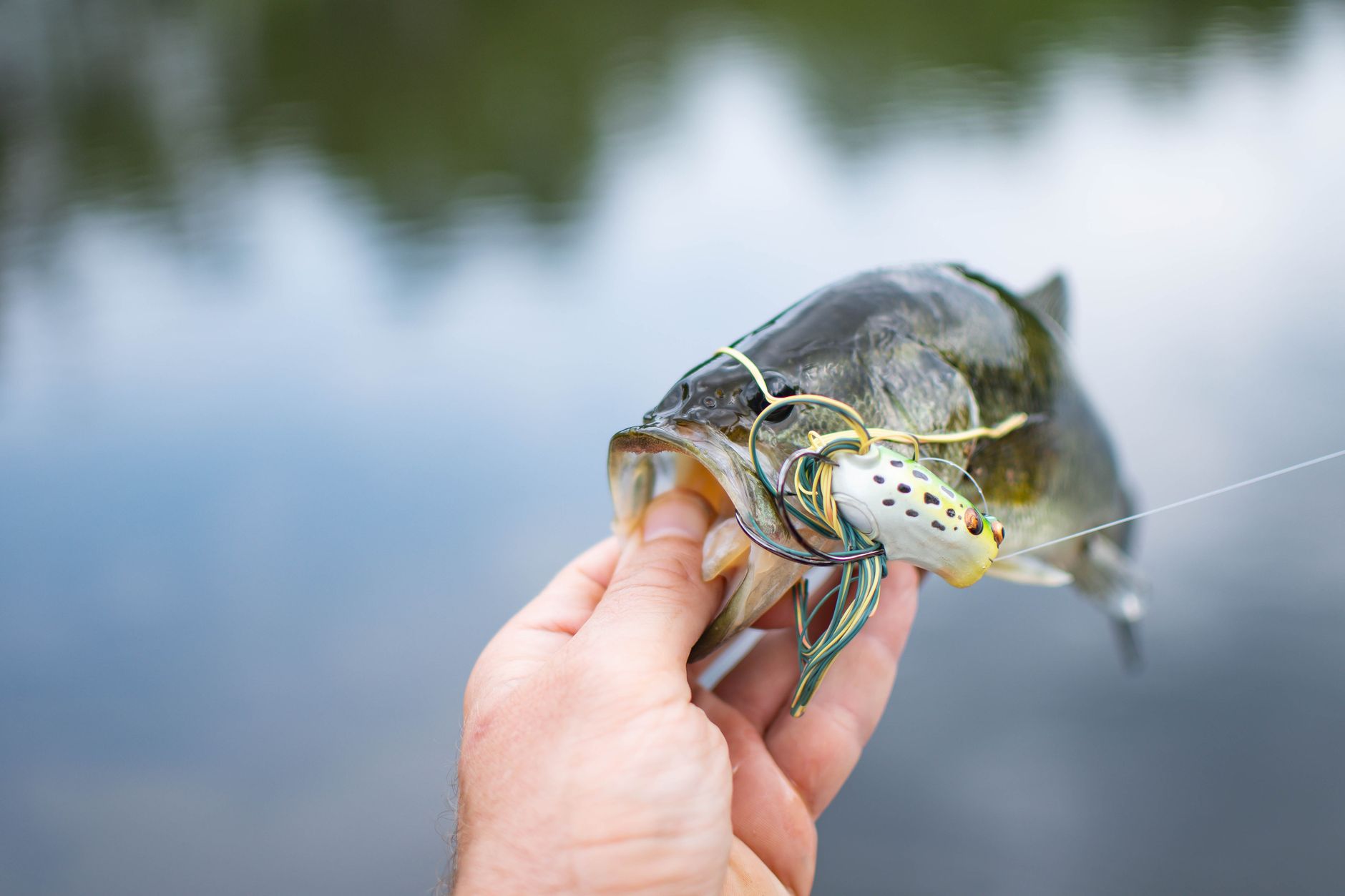
Brown Trout have earned their reputation as a favorite among serious anglers due to their robust physical attributes and remarkable adaptability. Their ability to migrate between freshwater and saltwater environments makes them incredibly versatile, allowing them to inhabit diverse habitats from mountain streams to coastal estuaries. This flexibility has made Brown Trout a prized target for anglers seeking variety in their fishing experiences.
The story of Cutthroat Trout reflects both the diversity and challenges facing native species. Once abundant throughout western states, these fish now face increasing competition from introduced species and struggle against invasive populations. Despite these challenges, Cutthroat Trout maintain impressive diversity within their species. "There are numerous varieties of Cutthroat species like Yellowstone, Greenback, Westslope, and Pilot Peak," Lazzari noted, highlighting the subspecies richness that exists within this group.
"There are numerous varieties of Cutthroat species like Yellowstone, Greenback, Westslope, and Pilot Peak,"
Rainbow Trout perhaps best embody the global appeal of trout fishing. Renowned for their vibrant colors and fierce fighting ability when hooked, Rainbow Trout have become synonymous with exciting fishing adventures. "They thrive across the globe with places like Patagonia and New Zealand being major destinations," Lazzari emphasized, reflecting their status as a bucket-list species for traveling anglers.
"They thrive across the globe with places like Patagonia and New Zealand being major destinations,"
Successful trout fishing requires mastering various techniques, as these fish are notoriously selective feeders. However, getting started doesn't necessarily require expensive specialized equipment. "Catching Trout is likely possible on the equipment you already own," Lazzari suggested, encouraging newcomers to explore the sport with their existing gear.
"Catching Trout is likely possible on the equipment you already own,"
Casting jigs and lures represents one of the most effective approaches to trout fishing. The key lies in understanding trout psychology and triggering their natural responses. "There's a reaction or trigger that Trout have when it comes to lures," Lazzari explained. Spinners and jigs prove particularly effective because they can provoke both territorial defense mechanisms and predatory strikes from trout.
"There's a reaction or trigger that Trout have when it comes to lures,"
The art of lure selection involves constant experimentation and observation. Spinners with attractive tail designs and adaptable jigs can prove to be game changers under the right conditions. "Experiment with different sizes and colors to find the best-performing lure on any given day," Lazzari advised, emphasizing the importance of flexibility and keen observation in maximizing fishing success.
"Experiment with different sizes and colors to find the best-performing lure on any given day,"
Fly fishing represents perhaps the most refined approach to trout angling, requiring deep understanding of local ecosystems and insect populations. This technique's popularity stems from trout's natural feeding behavior. "Fly fishing for Trout is especially popular around the world because the fish eat very specific insects that are resembled by different fly patterns," Lazzari pointed out.
"Fly fishing for Trout is especially popular around the world because the fish eat very specific insects that are resembled by different fly patterns,"
Mastering fly fishing demands more than just casting technique; it requires comprehensive knowledge of local fauna and the ability to replicate insect movements with precision. This attention to detail transforms fishing from simple recreation into an art form that combines natural observation, technical skill, and patience.
The enduring appeal of trout fishing lies in its combination of accessibility and complexity, offering something for anglers at every skill level while providing endless opportunities for learning and adventure.