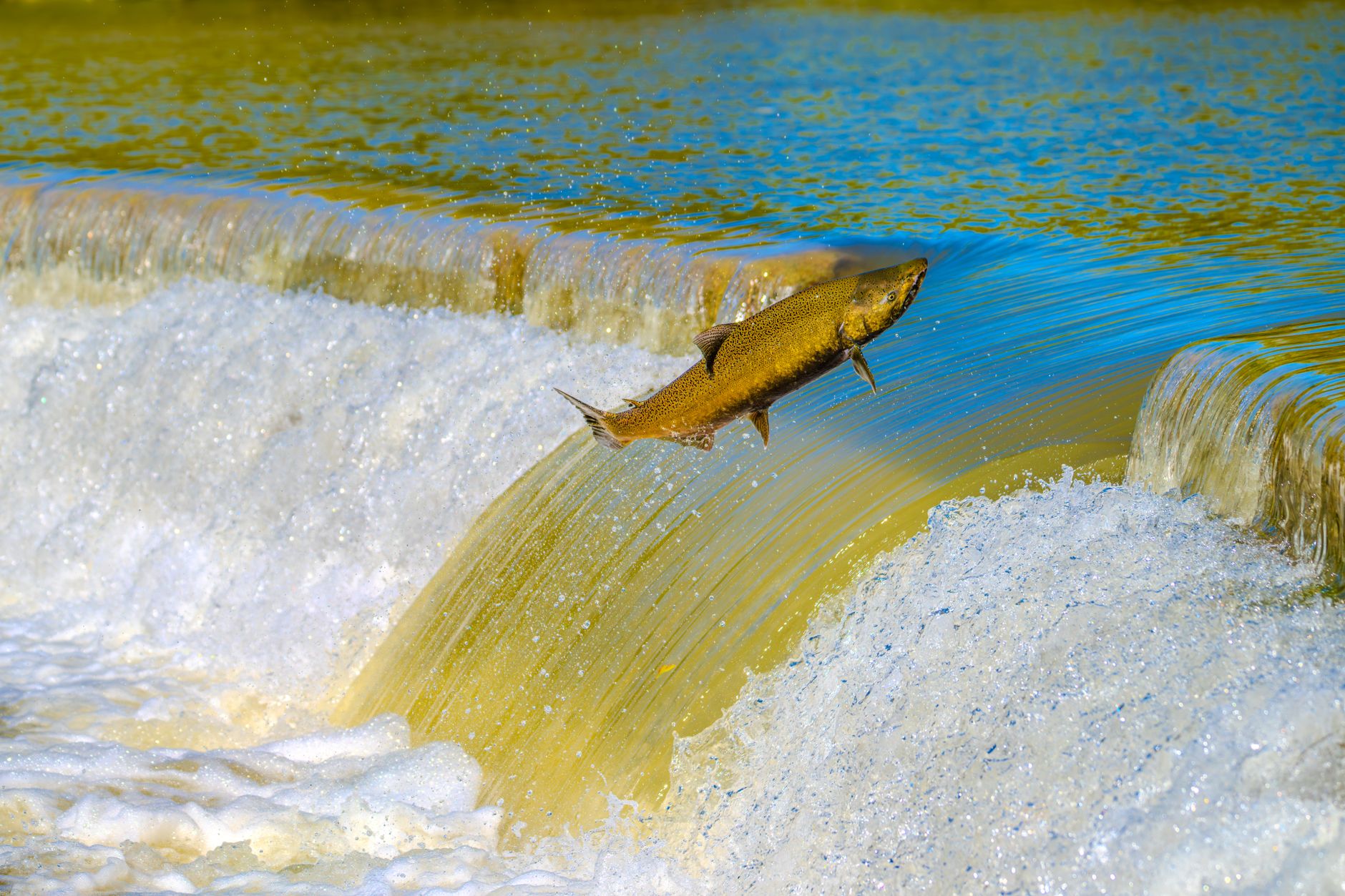
After the longest salmon shutdown in California history, Chinook fishing is coming back — though the celebration is far from universal. The state's commercial ocean fishery began reopening in May 2026 for the first time since 2022, and river anglers will get a season on the Klamath Basin and Sacramento system starting this summer, following three years of total closure from 2023 through 2025.
Regulators set the river dates at a May 6 Fish and Game Commission meeting. The Klamath's late spring-run opens July 1 and its fall run on August 15, capped at an adult quota of 3,248 fish, while the Central Valley runs a fall season from July 16 to December 16. The closures had followed a collapse that left fall-run Chinook around 85 percent below their long-term average, driven by the 2020-2022 drought.
For state wildlife officials, the reopening is vindication.
"The California Department of Fish and Wildlife is incredibly encouraged to see our public and private collaborative efforts pay off," said CDFW Director Meghan Hertel. "It is a moment of genuine celebration for everyone invested in the health of our watersheds."
CDFW's Steve Gonzalez credited a wet winter, revised water policies and the Klamath dam removals for the rebound.
"Salmon are on a three-year cycle, so the three years where the fishery was closed kind of reflects the three years prior that there was a drought," Gonzalez said. "This fish is iconic for the state of California, for the tribal nations, for families going out fishing with their kids. It's hopeful news."
"The limited reopening is a lifeline. It gives you a little bit of money," said Vance Staplin of the Golden State Salmon Association. But, he added, "they're not getting enough to sustain their businesses the way it was prior to this shutdown, by any means."
Some never came back at all. Chris Pedersen, 66, gave up his Half Moon Bay operation and moved to Arizona, fishing out of Oregon instead after $20.6 million in federal disaster aid left him with about $8,000.
"Nobody can afford to fish in California. A lot of the good fishermen have left," Pedersen said. "I put everything I have into my boat, and we don't get to fish."
And in Crescent City, where commercial salmon fishing stays closed inside protected zones, the reopening means little. Harbor District commissioner Rick Shepard, who landed his own limit across the state line in Brookings, Oregon, described a harbor still standing empty.
"It's devastating to the harbor and to the community," Shepard said. "And we're sitting here. It's a vacant parking lot in my harbor. Nobody's here."
Fisheries scientists, meanwhile, caution that one strong run is not a fix. Writing in The Conversation, ecologists warned the recovery "does not mean the underlying problems have been solved," citing water diversions, hatchery practices that erode genetic diversity and dams that still block historic spawning grounds.