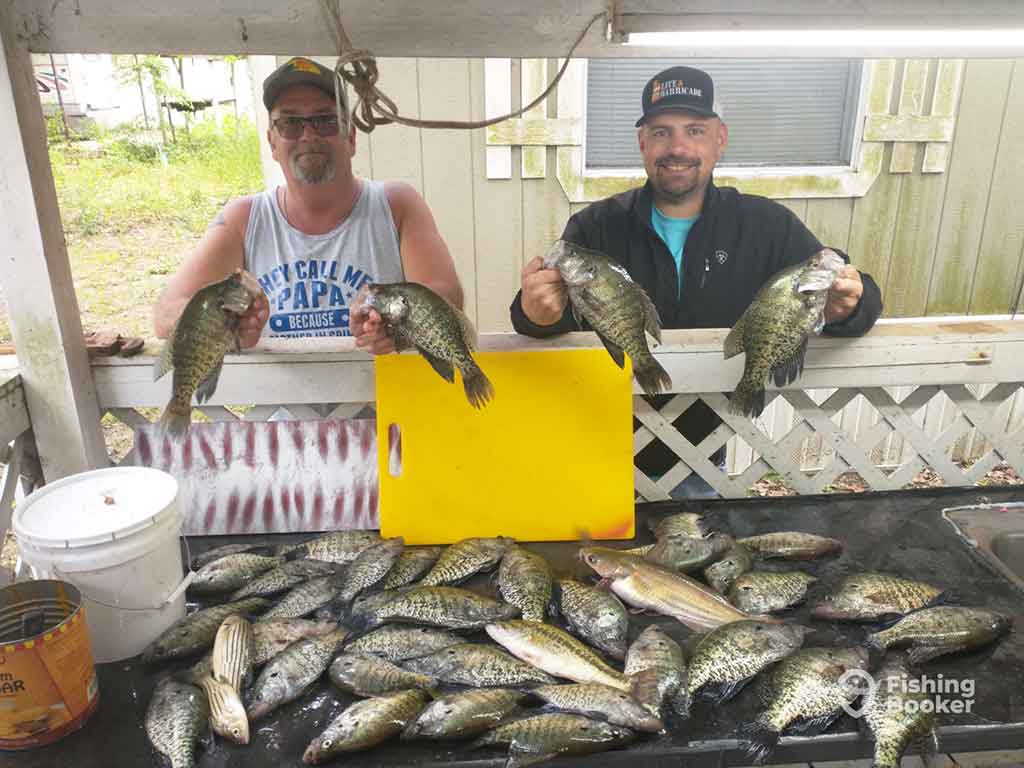
Crappie fishing remains an underrated yet rewarding pursuit that appeals to anglers of all skill levels. Known for their delicious taste and spirited fight, these fish provide an engaging challenge for both novice fishermen and seasoned pros alike. "When you find one, there are often many more around," said Zach Lazzari, the guide behind this comprehensive look at crappie fishing strategies for 2025.
"When you find one, there are often many more around,"
Crappies come in two primary varieties: Black and White. Both types belong to the Sunfish family and exhibit differences in physical characteristics. "Black Crappie are darker than their white counterparts and have more spines along the dorsal fin," Lazzari explained. "They can also have a bronze or gold color, while the White Crappie is lighter with vertical striping rather than spots." Understanding these differences can enhance your fishing experience, allowing anglers to identify their target with greater accuracy.
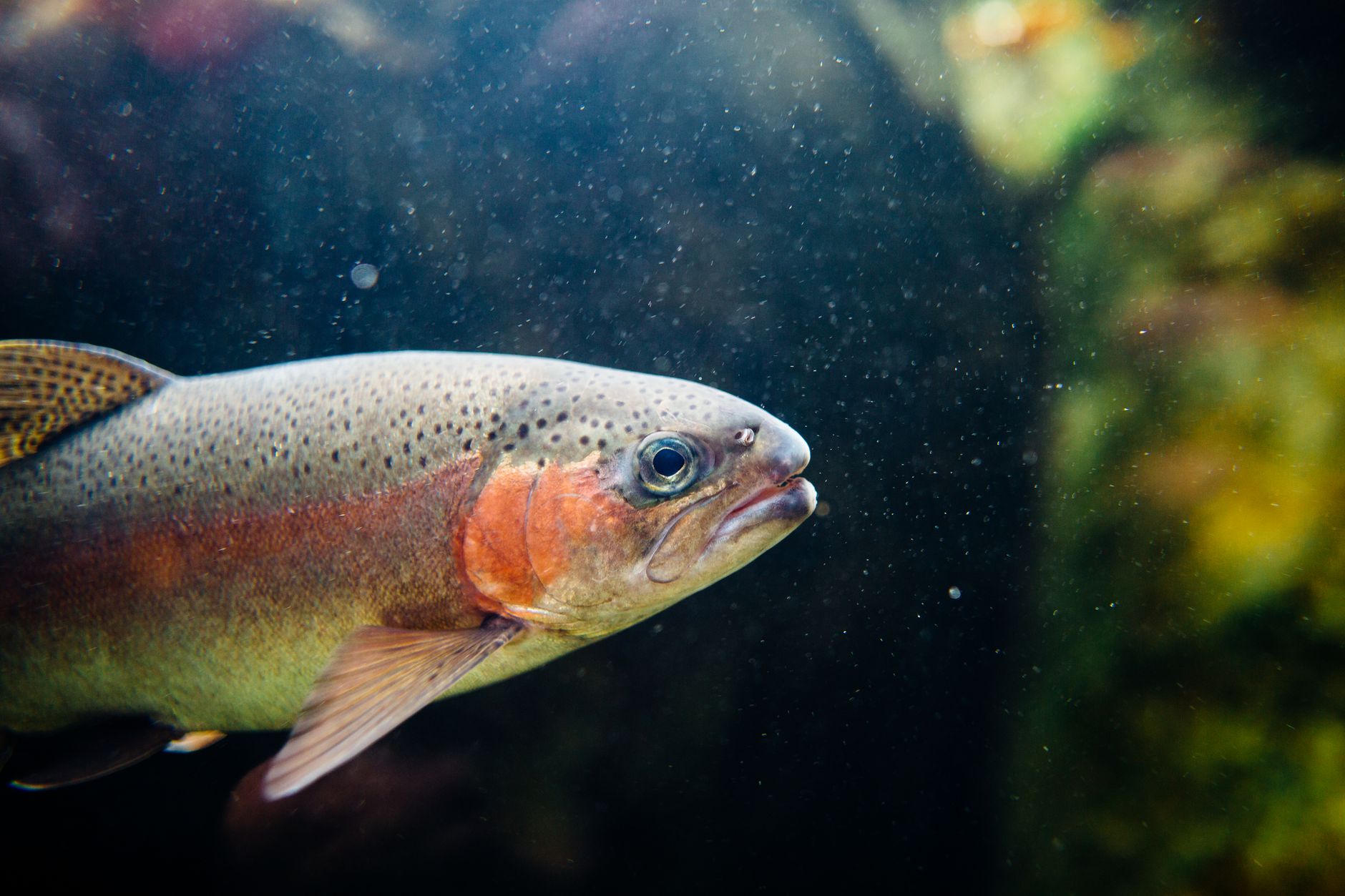
"Black Crappie are darker than their white counterparts and have more spines along the dorsal fin,"
One of the critical aspects of crappie fishing is understanding the best times to fish throughout the year. Lazzari noted that anglers can catch crappie year-round, but behavior and location shift with the seasons. During spring, crappies migrate into shallow waters to spawn. "The fish will push right up against the shoreline, using weeds, rocks, and logs as cover," he said. This is an ideal time for hooking some of the biggest specimens, as they become more aggressive.
"The fish will push right up against the shoreline, using weeds, rocks, and logs as cover,"

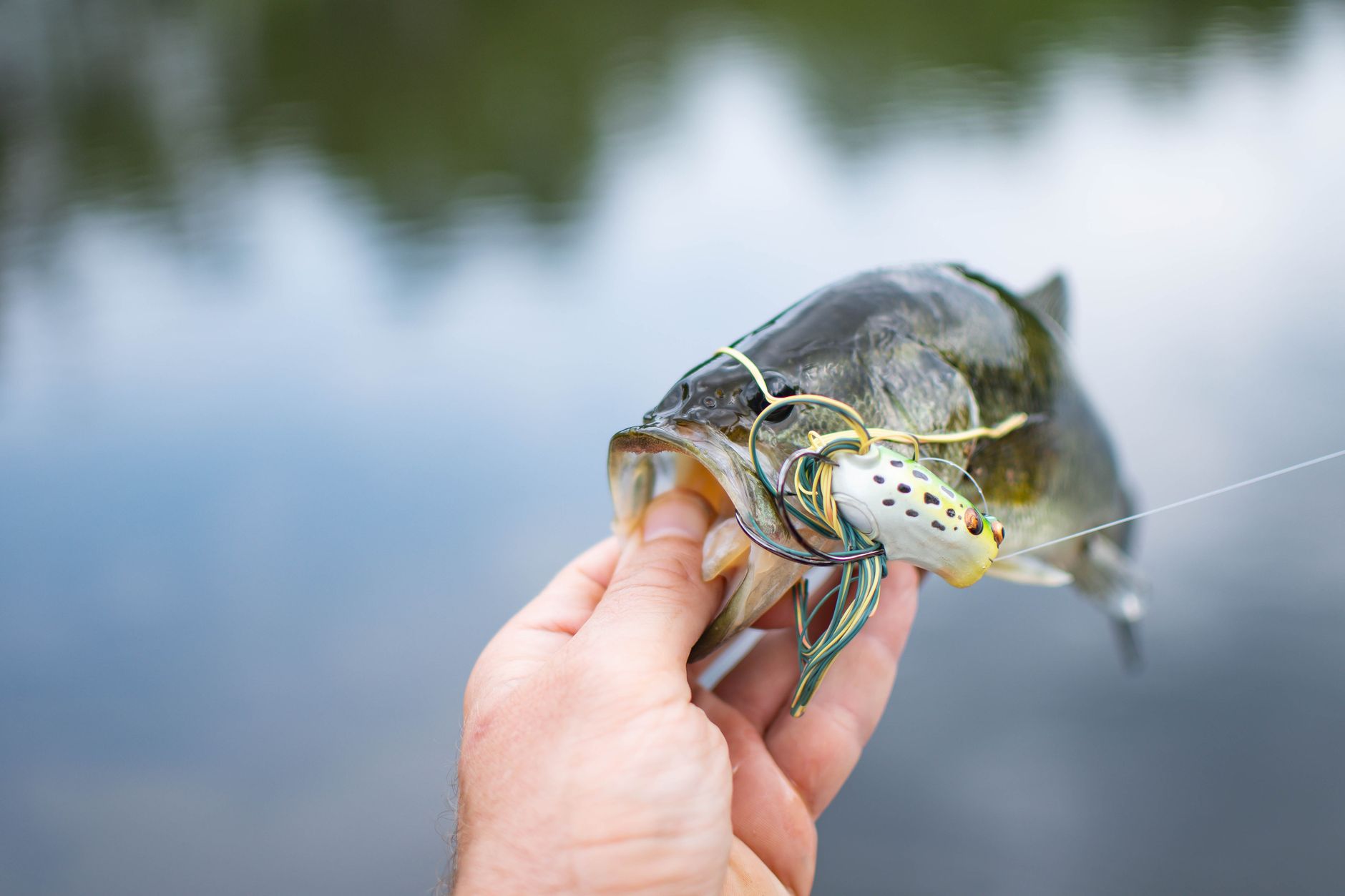
As conditions change into summer, crappie may either remain near structural formations or suspend in schools. "Fishing structure where the depth drops below 10 feet is always a good idea," added Lazzari. When it comes to targeting suspended schools, he recommends jigging directly above the fish until activity slows down.
"Fishing structure where the depth drops below 10 feet is always a good idea,"
The arrival of fall often signals a shift to deeper waters, making crappies more challenging to locate. "The changing weather can have them moving between different zones," warned Lazzari. Persistence is key; when you find them, it’s advisable to stay on that spot for as long as possible.
"The changing weather can have them moving between different zones,"
Winter introduces yet another layer of complexity as crappies school once again. “You can catch them under the ice or apply open water tactics in areas where lakes remain accessible,” said Lazzari. Experimenting with different depths is crucial to maximize success during this chillier period.
When it comes to crappie fishing gear, the right equipment can significantly enhance the experience. Lazzari emphasizes that anglers should embrace the use of ultralight setups. "Put away the heavy rods and enjoy finesse fishing," he advised. "Crappie can strike hard, but more often than not, they have a very light grab."
"Put away the heavy rods and enjoy finesse fishing,"

For rod and reel selection, anglers should consider an ultralight rod and reel combo. Lazzari suggested choosing a rod that is less than seven feet in length with fast action, capable of handling light lures in the 3/16-ounce range. "For bigger crappie, you might go a little heavier with a rod that can cast ¼ ounce lures," he noted.
"For bigger crappie, you might go a little heavier with a rod that can cast ¼ ounce lures,"
Line selection is equally flexible, with anglers able to choose from braid, monofilament, or fluorocarbon based on personal preference. Braided lines, in particular, provide heightened sensitivity and efficiency when casting lighter lures. Lazzari mentioned that some anglers opt for very light lines, including a 4 lb test, to maximize their chances of connection.
In summary, crappie fishing presents an exciting opportunity for anglers throughout the year, particularly with the right strategies and gear. Navigating seasonal behavior, selecting appropriate equipment, and honing fishing techniques can lead to a fruitful outing. As Lazzari reminds us, crappie fishing isn’t just about landing the biggest fish but enjoying the challenge and camaraderie it brings to the angling community. Looking forward, the continued popularity of crappie fishing is poised to rise, inviting more individuals to discover the joys of this engaging sport.