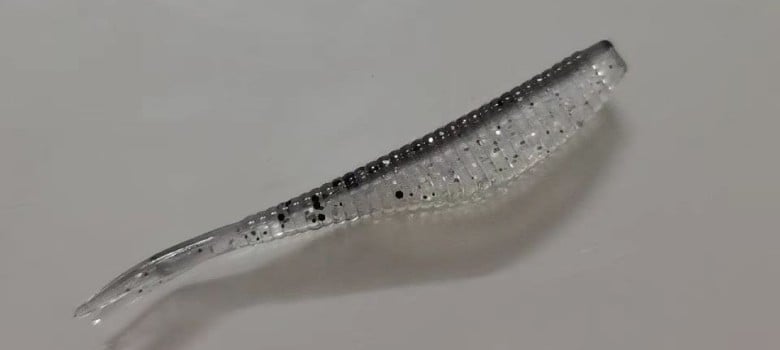
Cutthroat trout, often overshadowed by their more famous relatives like rainbow and brook trout, remain a valued species among angling enthusiasts. Their representation in the waters of the western United States is not only rich in history but also in the diversity of approaches to catch them.
"Cutties are popular gamefish across their primary range and are particularly beloved by fly anglers for their willingness to rise for dry flies," said Mark Taylor, a noted fishing expert. This characteristic makes cutthroat trout an appealing target for both novice and experienced anglers alike.
"Cutties are popular gamefish across their primary range and are particularly beloved by fly anglers for their willingness to rise for dry flies,"
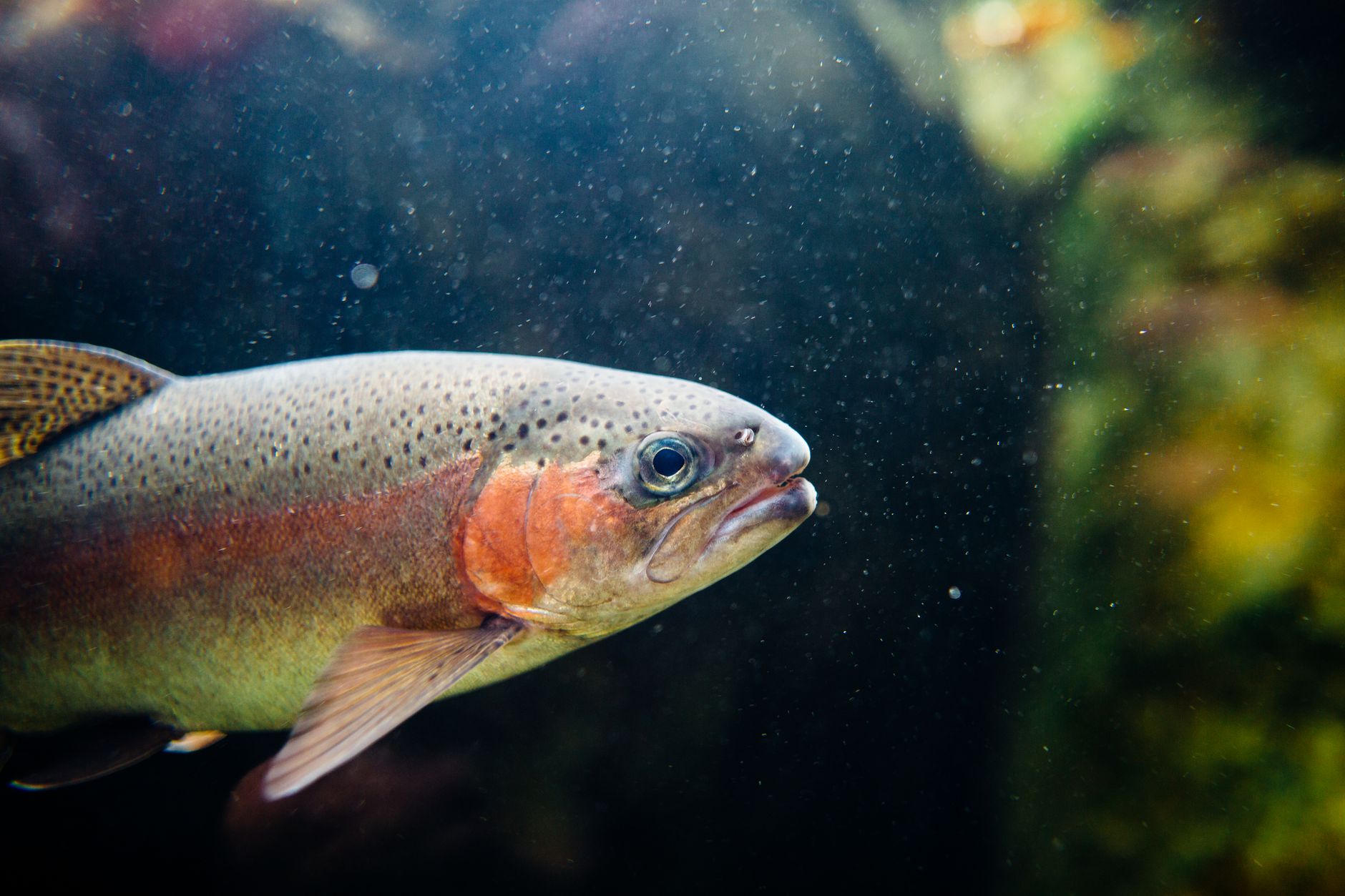

Among the 14 different subspecies of cutthroat trout, they include coastal inhabitants, those who dwell in freshwater, and the impressive Lahontan cutthroat trout, predominantly found in Pyramid Lake, Nevada. Most cutthroat trout are easily recognizable by the distinctive orange or red slash along their lower jaw. According to fisheries experts, “General coloration and spot patterns vary significantly among the different subspecies," highlighting the visual diversity of these fish.
Cutthroat trout thrive in clean, cold, and well-oxygenated waters. Their habitat can vary notably, with some subspecies preferring coastal streams while others are found in lakes and freshwater streams. Notably, the adapted behaviors of fish are reviewed by Idaho state fisheries officials, who identify hybridization with non-native species as one of the primary threats to the native cutthroat population. "Hybridization with non-native rainbows is the biggest threat to native cutthroat in the South Fork of the Snake River," they stated.
"Hybridization with non-native rainbows is the biggest threat to native cutthroat in the South Fork of the Snake River,"

The maturation process for cutthroat trout usually ranges between three to five years, with spawning occurring when river temperatures reach between 43 and 46 degrees Fahrenheit. During this time, female cutthroats can deposit anywhere from 200 to 4,000 eggs in specially built nests, known as redds, made in gravel areas of the stream.
Career Journey
Career Journey
Career Journey
As recorded in the journals of William Clark during his journey with Meriwether Lewis in the early 1800s, the cutthroat trout’s scientific name is Oncorhynchus clarkii. Clark's documentation of this species further cements the cutthroat's historical significance. "Cutthroat subspecies vary substantially in size, appearance, behavior, and favored habitat," said Taylor. For instance, coastal cutthroats are unique in that many residents of the coastal tributaries move between saltwater and freshwater but are not classified as anadromous, like salmon. Instead, they are considered diadromous, adeptly navigating both ecosystems.
"Cutthroat subspecies vary substantially in size, appearance, behavior, and favored habitat,"
Particularly intriguing is the spawning practice of lake-dwelling cutthroats. Natural reproduction can often occur if conditions favor good spawning grounds, typically found in gravelly shallows where wind helps churn up the water. Conversely, the most substantial populations in lakes frequently originate from inflowing streams, prompting cutthroat fish to migrate upstream during the spring spawn.
Career Journey
Career Journey
A shining example of such habitat can be observed in Yellowstone Lake and the corresponding upper Yellowstone River system. Fishing for spawning cutthroat trout in the Yellowstone area has gained a reputation since the early 1900s, as Taylor points out, "The popularity of fishing for spawning cutties in the Yellowstone River in spring was a major contributor to the growth of the popularity of Yellowstone National Park early in the 1900s."
Impact and Legacy
Seasonal behavior also significantly impacts cutthroat fishing strategies. Some sea-run cutthroats take to the coastal rivers during the fall months in search of food, which has led to their nickname, “harvest trout.” Enthusiasts often capitalize on this movement during prime feeding periods, employing various techniques to increase their chances of landing a catch. "Small stream cutties are known for their willingness to take dry flies," noted another expert in the field, further reinforcing the appeal of this trout species across seasons.
"Small stream cutties are known for their willingness to take dry flies,"
Understanding the ecological habits, varied habitats, and breeding practices of cutthroat trout equips anglers with the necessary knowledge to successfully target this species. The unique characteristics of cutthroat trout make them a fascinating challenge for anyone looking to broaden their fishing repertoire. As the passion for fishing continues to grow, so too does the appreciation for this iconic and resilient species.